
.music Trademark Dispute: USPTO Questions Use in Commerce
Constantine Roussos, a prominent figure in the domain name industry, has publicly stated his intent to leverage international trademarks as a strategic asset in securing the .music top-level domain name. This approach is designed to bolster his application during the competitive application process. He believes that strong trademark protection will give him an edge in the selection process for this highly sought-after domain extension.
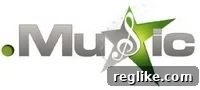
However, the U.S. Patent and Trademark Office (USPTO) has raised concerns regarding the validity of Roussos’s trademark application for a .music logo. The USPTO’s scrutiny highlights the complexities and challenges involved in securing trademark rights, particularly in the rapidly evolving domain name landscape. The agency’s response indicates a thorough evaluation process, ensuring that trademark claims meet established legal standards.
On December 31, Roussos formally submitted a trademark application for a distinctive .music logo. In its response, the USPTO identified two key areas of concern:
- Lack of Use in Commerce: The USPTO asserted that the submitted mark had not been demonstrably used “in commerce in connection with the identified services as of the filing date of the application.” This means that while Roussos may have utilized the logo, its application to the specific goods and services outlined in the application was deemed insufficient. The core issue revolves around the fact that .music domain names are not currently available for registration, making it difficult to prove commercial use.
- Disclaimer of Descriptive Wording: The USPTO stipulated that the application must include a disclaimer for the descriptive wording “.MUSIC.” The agency appears to be wary of granting exclusive rights to a generic term through a design trademark. While incorporating “.music” into a design trademark might seem like a strategic maneuver to claim rights over the term, the USPTO is carefully assessing the potential for such a claim to unduly restrict competition and the legitimate use of the term by others in the music industry.
This scrutiny underscores the USPTO’s commitment to preventing the monopolization of common or descriptive terms through clever trademark filings. The agency is keen on balancing the protection of legitimate trademarks with the need to maintain a level playing field for businesses operating in the music and online domains.
Roussos is not alone in pursuing trademarks related to top-level domain names even before the official application window opens. This practice, often referred to as “trademark frontrunning,” is becoming increasingly common as businesses and individuals seek to gain a competitive advantage in the race to secure valuable domain extensions. The practice is controversial, as it raises questions about the legitimacy of claiming rights to terms that are not yet in active commercial use.
The issue of trademark frontrunning is expected to be a contentious aspect of the upcoming application process for new top-level domains. The USPTO’s stance on Roussos’s application signals a cautious approach to such claims, suggesting that applicants will need to provide compelling evidence of actual use in commerce to secure trademark protection. This rigorous evaluation process is intended to prevent speculative trademark filings and ensure that trademark rights are granted only to those who genuinely use the mark in connection with specific goods and services.
The .music domain name initiative has already seen its first publicly announced competitor. This development suggests that the competition for the .music top-level domain will be intense, with multiple parties vying for control of this valuable online asset. The presence of multiple applicants is likely to lead to a complex and potentially lengthy application process, as each applicant seeks to demonstrate its qualifications and its commitment to serving the music community.
The battle for the .music top-level domain is not just about securing a domain extension; it is also about shaping the future of the online music landscape. The successful applicant will have the opportunity to create a dedicated space for musicians, fans, and industry professionals to connect, share, and collaborate. The potential impact of the .music domain on the music industry is significant, making the competition for this domain extension all the more fierce.
The USPTO’s questioning of the .music logo’s use in commerce highlights the challenges and complexities involved in securing trademark protection in the digital age. As the internet continues to evolve and new domain extensions emerge, the importance of robust trademark enforcement will only increase. The USPTO’s role in safeguarding intellectual property rights is crucial to fostering innovation and competition in the online marketplace.
The outcome of the .music trademark dispute will have implications for other applicants seeking to secure trademarks related to top-level domain names. The USPTO’s decision will set a precedent for future cases, providing guidance on the types of evidence required to demonstrate actual use in commerce. This case serves as a reminder that trademark rights are not automatically granted and that applicants must demonstrate a genuine connection between their mark and the goods or services they offer.
The .music domain name has the potential to revolutionize the way music is shared and consumed online. A dedicated domain for music could provide a centralized hub for artists to showcase their work, connect with fans, and sell their music directly. This could empower artists and reduce their reliance on traditional intermediaries, such as record labels and distributors. The .music domain could also facilitate new forms of music collaboration and innovation, fostering a vibrant and dynamic online music community.
Ultimately, the success of the .music domain will depend on the vision and leadership of the successful applicant. The chosen applicant will need to develop a comprehensive strategy for promoting and managing the domain, ensuring that it becomes a trusted and valuable resource for the music community. This will require a deep understanding of the needs of musicians, fans, and industry professionals, as well as a commitment to fostering a collaborative and inclusive online environment.
The trademark battle surrounding the .music logo is just one chapter in the ongoing saga of the new top-level domain program. This program, launched by the Internet Corporation for Assigned Names and Numbers (ICANN), has opened up the internet to a vast array of new domain extensions, ranging from generic terms like .app and .shop to brand-specific domains like .google and .apple. The new top-level domain program has created both opportunities and challenges for businesses and individuals seeking to establish their online presence.
As the internet continues to evolve, the importance of securing and protecting intellectual property rights will only increase. Trademarks, copyrights, and patents are essential tools for businesses to protect their brands, their creative works, and their inventions. The USPTO plays a vital role in administering these intellectual property rights, ensuring that businesses and individuals can effectively protect their innovations and compete in the global marketplace.
The .music domain name represents a unique opportunity to create a dedicated online space for the music community. The success of this domain will depend on the vision, leadership, and commitment of the successful applicant. The trademark dispute surrounding the .music logo underscores the importance of robust intellectual property protection in the digital age. As the internet continues to evolve, the need for effective trademark enforcement will only grow, ensuring that businesses and individuals can protect their brands and compete fairly in the online marketplace.