
Verisign’s Patent Application Sparks Debate on Domain Name Spinning
The domain name landscape may be shifting. Verisign’s newly published patent application on domain name spinning raises questions about innovation and established practices within the industry.

Today marks the publication of a significant patent application by Verisign, the registry responsible for .com domain names, concerning domain name alternatives, commonly known as “name spinning.” The application, available as a PDF document, outlines a system for generating alternative domain names based on existing ones, a concept that has already been in practical use by various parties within the domain name industry for many years.
Unveiling the Patent Application
The patent application, filed with the U.S. Patent and Trademark Office (USPTO) in December 2015, details various methods and systems for creating domain name variations. The core of the invention lies in identifying keywords within a domain name and then suggesting contextually relevant alternatives for those keywords. This process aims to generate new and potentially valuable domain name options that are semantically related to the original domain.
The Abstract: A Closer Look
The abstract of the patent application provides a concise overview of the technology:
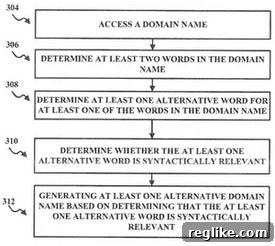
“Provided are methods, devices, and computer-readable media for accessing a domain name; determining, via the processor, at least two words in the domain name; determining at least one alternative word for at least one word in the domain name; determining whether the at least one alternative word is contextually relevant; and generating at least one alternative domain name based on a determination that the at least one alternative word is contextually relevant.”
This abstract highlights the key steps involved: identifying keywords, finding alternatives, ensuring contextual relevance, and generating the alternative domain names. The emphasis on contextual relevance is crucial, as it aims to filter out irrelevant or nonsensical suggestions, ensuring that the generated domain names are meaningful and potentially useful.
The Core Concept: Name Spinning Explained
Name spinning, at its essence, is the process of generating variations of a domain name by substituting words or phrases with synonyms, related terms, or different word forms. This technique is widely used by domain name investors, businesses, and individuals looking to secure a portfolio of related domain names, identify branding opportunities, or protect their existing trademarks.
For example, if the original domain name is “BestCoffeeShop.com,” name spinning might generate alternatives like “TopCoffeeHouse.com,” “PremiumCoffeeStore.com,” or “FinestCoffeeCafe.com.” The goal is to capture variations that potential customers might use when searching for a similar business or service.
Industry Reaction: A Decade of Practice
While Verisign’s patent application details specific methods for automating and refining the name spinning process, the fundamental concept itself is far from novel. Many domain name professionals argue that the core idea of generating alternative domain names has been actively practiced within the industry for over a decade. Various tools, services, and techniques have already been developed and implemented to facilitate this process.
This raises questions about the patentability of the invention, given the prior art and the established practices within the domain name industry. The USPTO will need to carefully consider the existing body of knowledge and determine whether Verisign’s application presents a genuinely novel and non-obvious invention.
Potential Implications for the Domain Name Industry
The granting of this patent could have significant implications for the domain name industry. If Verisign were to successfully enforce the patent, it could potentially restrict the use of name spinning techniques by other parties, including domain name registrars, domain name investors, and businesses seeking to generate alternative domain names.
This could lead to increased licensing fees for using name spinning technology, potentially stifling innovation and competition within the industry. It could also create legal challenges for existing businesses that rely on name spinning as part of their domain name strategy.
Arguments for and Against the Patent
The debate surrounding Verisign’s patent application is likely to be complex and multifaceted. Proponents of the patent may argue that it protects Verisign’s investment in developing innovative technology and encourages further research and development in the field of domain name generation.
Opponents, on the other hand, may argue that the patent covers a well-established practice within the domain name industry and that granting exclusive rights to Verisign would stifle competition and hinder innovation. They may also argue that the patent is overly broad and could potentially cover a wide range of existing name spinning techniques.
The Importance of Contextual Relevance
One of the key aspects of Verisign’s patent application is the emphasis on contextual relevance. The system aims to generate alternative domain names that are not only semantically related to the original domain name but also relevant to the context in which they are being used.
This is important because simply generating a list of synonyms or related terms may not always result in valuable or useful domain names. The alternative domain names need to be relevant to the target audience, the industry, and the overall branding strategy.
The Future of Domain Name Generation
Verisign’s patent application highlights the ongoing evolution of domain name generation techniques. As the domain name landscape becomes increasingly crowded and competitive, the need for innovative and effective methods for identifying and securing valuable domain names will continue to grow.
Whether or not Verisign’s patent is ultimately granted, it serves as a reminder of the importance of intellectual property protection and the potential impact of patents on the domain name industry. It also underscores the need for domain name professionals to stay informed about the latest developments in this rapidly evolving field.
Conclusion
Verisign’s patent application for domain name spinning has sparked a debate within the domain name industry, raising questions about innovation, established practices, and the potential impact of intellectual property rights. The USPTO’s decision on this application will have significant implications for the future of domain name generation and the competitive landscape of the industry.
As the domain name space continues to evolve, it is crucial for stakeholders to understand the implications of such patents and adapt their strategies accordingly. The conversation surrounding this patent application underscores the importance of continuous innovation and the need for a balanced approach to intellectual property protection within the domain name industry.