
Verisign’s Patent: A Potential Game Changer for Expired Domain Drop Catching?
A new patent suggests Verisign might be exploring a system to sell pools of access to registrars, potentially revolutionizing the domain drop catching landscape.
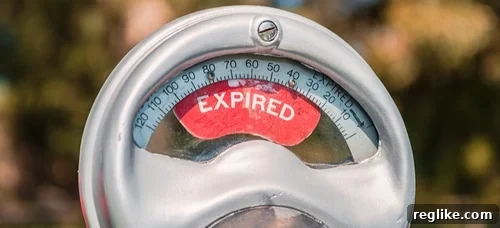
Image: An expired parking meter, visually representing the concept of expired domain names and the opportunity for drop catching.
From an outsider’s perspective, the current process for acquiring expired domain names—often referred to as “drop catching”—can seem remarkably inefficient. The intense competition and resource-intensive methods involved raise questions about a more streamlined approach.
The existing model hinges on each registrar maintaining a direct connection to the registry. This connection is crucial for attempting to swiftly register domain names the instant they become available after expiration. Specialized drop catching services continuously seek ways to amplify their chances of success, and one common strategy is to increase the number of connections they have to the registrar by securing more registrar accreditations. However, this path is not without significant hurdles. Gaining accreditation from ICANN (the Internet Corporation for Assigned Names and Numbers) and subsequently entering into a registrar agreement with Verisign represents a substantial investment in both time and capital.
The case of DropCatch.com exemplifies the lengths to which companies will go to gain an edge in the drop catching arena. This company has reportedly registered over a thousand individual limited liability companies, meticulously securing ICANN accreditation for each one before finalizing agreements with Verisign. Such a strategy highlights the dedication, and the costs involved, for those deeply invested in capturing valuable expired domain names.
Now, Verisign (NASDAQ: VRSN), the authoritative registry for .com and .net domains, is proposing a potentially transformative alternative: allowing registrars to purchase additional “pools of access” to expedite transaction processing. This new approach is outlined in a recently granted patent.
Given Verisign’s sometimes strained relationship with domain name registrars, this proposal is almost certain to spark debate and discussion within the domain name industry. However, upon closer examination, it reveals the potential to be a mutually beneficial arrangement for both drop catchers and Verisign itself.
Verisign’s Pool Management Service: A Detailed Look at the Patent
The U.S. Patent and Trademark Office has officially granted Verisign patent number 10,659,426 (pdf) for a System and method for domain name system using a pool management service. This patent outlines a comprehensive system designed to offer registrars supplemental pools of access to the registry. These additional pools of access would, in essence, provide an alternative avenue for acquiring greater processing capacity, potentially significantly boosting drop catching capabilities.
This concept is particularly intriguing when considering the intricacies of the expired domain market. The current system, while functional, can lead to bottlenecks and inefficiencies. The proposed pool management service could alleviate some of these challenges by providing a more scalable and flexible approach to domain registration.
How the Pool Management Service Could Work
The core idea behind the pool management service is to allow registrars to purchase access to additional processing capacity beyond their standard allotment. This additional capacity would be allocated in the form of “pools,” each representing a certain level of processing power and transaction throughput. These pools could be activated and deactivated on demand, providing registrars with the flexibility to scale their resources up or down based on their current needs.
For drop catching services, this could translate to a significant advantage. By acquiring additional pools of access during peak expiration periods, they could dramatically increase their chances of successfully registering high-value domain names. This would not only improve their own profitability but also potentially reduce the overall congestion and strain on the registry system.
The patent likely details the technical specifications of the system, including how the pools are allocated, how transaction processing is prioritized, and how the overall system is managed. A thorough review of the patent document would be necessary to fully understand the intricacies of the proposed solution.
Potential Benefits for Drop Catchers
- Increased Registration Success Rates: Access to additional processing capacity would directly translate to a higher likelihood of successfully registering desired domain names.
- Reduced Infrastructure Costs: Eliminates the need to establish hundreds or thousands of LLCs to gain additional registrar accreditations.
- Greater Scalability: The ability to dynamically scale resources up or down based on demand provides greater flexibility and cost-effectiveness.
- Improved Efficiency: A more streamlined and efficient process could lead to faster registration times and reduced overall costs.
Potential Benefits for Verisign
- Increased Revenue: Selling access to additional pools of processing capacity would generate a new revenue stream for Verisign.
- Reduced System Strain: A more balanced and efficient system could reduce overall strain on the registry infrastructure.
- Improved Registrar Relations: Providing registrars with a valuable service could strengthen Verisign’s relationships with its partners.
- Enhanced Market Stability: A more predictable and transparent system could contribute to greater stability within the domain name market.
Potential Challenges and Concerns
While the pool management service offers several potential benefits, it also presents some challenges and potential concerns that need to be addressed.
- Fairness and Accessibility: Ensuring that the system is fair and accessible to all registrars, regardless of size or resources, is crucial.
- Pricing and Affordability: The pricing of the pools of access needs to be reasonable and affordable to attract widespread adoption.
- Security and Reliability: The system needs to be robust and secure to prevent abuse and ensure the reliability of the registration process.
- Impact on Small Registrars: It’s important to consider the potential impact on smaller registrars who may not be able to afford the additional pools of access.
Verisign’s History with Expired Domain Patents
This patent is not Verisign’s first foray into the realm of expired domain management. The company has a history of exploring innovative solutions related to expired domains, including a patent for selling backorders. This suggests a continued interest in optimizing the expired domain lifecycle and extracting value from these resources.
The backorder patent, for instance, focused on a system for allowing individuals to pre-order expired domains, giving them a prioritized chance to acquire the domain once it became available. This patent, like the pool management service patent, demonstrates Verisign’s commitment to finding new and innovative ways to manage the domain name ecosystem.
Conclusion: A Significant Development in Domain Name Management
Verisign’s new patent for a pool management service represents a potentially significant development in the domain name industry. By offering registrars a way to purchase additional processing capacity, the company could revolutionize the way expired domains are acquired and managed. While challenges and concerns remain, the potential benefits for both drop catchers and Verisign are substantial.
The domain name industry will undoubtedly be watching closely to see how Verisign plans to implement this technology and what impact it will have on the future of drop catching. This patent is a testament to the ongoing innovation and evolution within the domain name space, and it highlights the importance of finding creative solutions to optimize the management of these valuable digital assets. The coming months and years will reveal whether this new approach will become the industry standard for acquiring expired domain names, offering a more efficient and scalable alternative to the current methods.