
Mastering the Art of Buying and Selling Online Businesses & Developed Domains
In the dynamic world of digital entrepreneurship, understanding the intricate processes of selling your developed domain or acquiring an existing online business is paramount for success. Whether you’re a seasoned domain investor looking to monetize your digital assets or an aspiring entrepreneur eager to jumpstart your online venture, this guide delves into the essential strategies and insights needed to navigate the complex landscape of online business transactions. We explore the critical factors that drive valuation, outline the systematic process of buying and selling, and highlight the latest market trends shaping the future of digital asset investment.
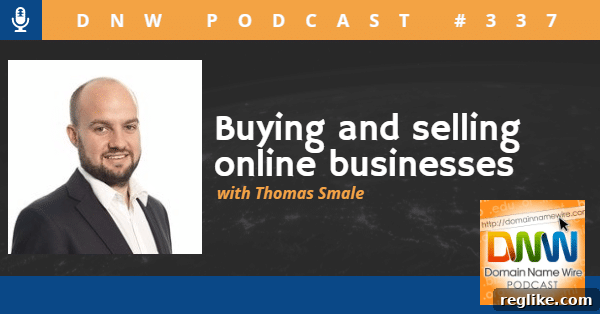
Just two episodes ago on the podcast, we had an insightful conversation with Michael Cyger, who shared his remarkable journey of selling his highly successful online business, iSixSigma. That discussion provided a firsthand account of the potential rewards of developing a domain into a thriving enterprise. Today, we build upon that foundation by welcoming Thomas Smale, the visionary founder of FE International. Thomas’s company played a pivotal role in brokering Michael Cyger’s transaction, demonstrating their profound expertise in facilitating high-value online business sales. FE International stands as a titan in the industry, having successfully brokered over 1,000 businesses with a cumulative transaction value exceeding an astounding $1 billion. This unparalleled track record solidifies their position as leading experts in website acquisition and divestment.
In this exclusive session, Thomas Smale meticulously breaks down the intricate elements that contribute to accurately valuing an online business. He walks us through the comprehensive, multi-stage process of selling a business, from initial preparation to the final closing. Furthermore, Thomas provides invaluable insights into the prevailing trends he’s observing within the online business acquisition market, offering a glimpse into future opportunities and challenges. This episode is an indispensable resource for anyone who has successfully developed one of their domains into a revenue-generating business (or harbors the ambition to do so), as well as individuals keen on acquiring an online business to expand their digital portfolio. Prepare for an exceptionally educational deep dive into the mechanics of digital asset transactions.
Understanding Online Business Valuation: What Drives Value?
One of the most critical aspects of both buying and selling an online business is understanding its true market value. Thomas Smale emphasizes that valuation is far more nuanced than simply multiplying monthly profits. It’s a holistic assessment of various interwoven factors that determine a business’s health, stability, and future growth potential. Here are the key components that FE International rigorously analyzes:
Financial Performance and Stability
At the core of any valuation are the financials. Buyers look for clear, verifiable, and consistent revenue and profit figures. Key metrics include:
- Revenue Streams: Diverse and recurring revenue streams (e.g., subscriptions, multiple product lines) are highly desirable as they indicate stability and reduce risk.
- Profitability (EBITDA): Earnings Before Interest, Taxes, Depreciation, and Amortization (EBITDA) is a standard measure of operational profitability, providing a clear picture of the business’s cash-generating ability.
- Financial Trends: Is the business growing? Is it stagnant? Is it declining? A consistent upward trajectory significantly enhances value, while volatility or decline can be red flags.
- Add-backs: Non-recurring expenses or owner benefits (like personal vehicle leases or lavish travel) that a new owner wouldn’t incur are “added back” to increase the reported profit, giving a clearer view of the business’s operational profit.
Traffic, Audience, and Engagement
An online business is only as strong as its audience. The quality and diversity of traffic sources are vital.
- Traffic Volume and Sources: High, consistent traffic from diverse channels (organic search, social media, direct, paid ads) indicates robustness. Over-reliance on a single source (e.g., one specific social media platform) can be a risk.
- Audience Engagement: Active email lists, social media followers, and repeat customers demonstrate brand loyalty and a strong community, which are valuable assets.
- SEO Health: A strong domain authority, high organic rankings, and a clean backlink profile are critical for long-term sustainable traffic.
Operational Efficiency and Assets
The underlying infrastructure and operational setup greatly impact a business’s attractiveness.
- Systems and Automation: Well-documented processes and automated systems reduce owner involvement and make the business easier to transition and scale.
- Team and Contractors: A skilled and independent team can significantly increase value, especially if they can operate without constant owner oversight.
- Digital Assets: This includes the domain name itself (especially if it’s a premium or brandable domain), proprietary software, unique content libraries, customer databases, and established social media presences.
- Vendor Relationships: Strong, reliable relationships with suppliers, payment processors, or platform providers contribute to operational stability.
Market Trends and Growth Potential
The broader market context and the business’s future prospects are also considered.
- Niche and Industry: Businesses in growing niches or industries with high demand often command higher valuations.
- Scalability: The ability to easily expand operations, product lines, or reach without proportional increases in cost is a major plus.
- Competitive Landscape: A clear competitive advantage or a strong defensible market position can significantly boost value.
Understanding these valuation drivers is the first step toward strategically positioning your developed domain or online business for a successful exit, or identifying an acquisition target with genuine potential.
The Comprehensive Process of Selling an Online Business
Selling an online business, particularly a significant one, is a structured and often lengthy process that requires careful planning and execution. Thomas Smale details the typical stages involved when working with an experienced broker like FE International:
1. Preparation and Documentation
Before even thinking about a listing, rigorous preparation is essential. This involves consolidating all financial records (P&Ls, balance sheets, tax returns), documenting operational procedures, compiling asset lists, and identifying any potential issues that could arise during due diligence. Clean financials and a well-organized data room instil confidence in potential buyers. Optimizing your business for sale, such as reducing owner dependency or diversifying revenue, can also significantly impact the final sale price.
2. Valuation and Listing
Once the business is prepared, the broker works with the seller to arrive at an accurate and defensible valuation. This involves market analysis, applying various multiples, and considering unique business attributes. A compelling prospectus or confidential information memorandum (CIM) is then created, highlighting the business’s strengths, growth opportunities, and key performance indicators. The business is then confidentially marketed to a network of pre-qualified buyers.
3. Buyer Vetting and Offers (LOI)
Experienced brokers diligently vet potential buyers to ensure they have the financial capacity and strategic fit. This helps to protect the seller’s time and confidentiality. Serious buyers will submit a Letter of Intent (LOI), outlining their proposed purchase price, terms, and conditions. This is a non-binding agreement that signals a strong intention to buy, subject to satisfactory due diligence.
4. Due Diligence
This is arguably the most critical and intense phase. The buyer, often with their legal and financial advisors, thoroughly investigates every aspect of the business. They verify all claims made in the prospectus, scrutinize financials, analyze traffic, review contracts, and assess operational procedures. Transparency from the seller is paramount during this stage to build trust and avoid deal breakers.
5. Legal Documentation and Closing
Upon successful completion of due diligence, a definitive Sale and Purchase Agreement (SPA) is drafted. This legally binding document details all terms of the sale, including asset transfer, representations and warranties, indemnities, and payment schedules. Once the SPA is signed, funds are transferred, and ownership of the digital assets (domains, websites, social media accounts, etc.) officially changes hands. A smooth transition plan is often part of this phase to ensure continuity for the new owner.
Key Trends Shaping the Online Business Acquisition Market
The online business landscape is constantly evolving, and Thomas Smale points to several significant trends that are impacting both buyers and sellers today:
Increased Demand and Maturing Market
The market for buying and selling online businesses has matured considerably. There’s a growing pool of sophisticated buyers, from individual entrepreneurs and lifestyle buyers to institutional investors and “micro-private equity” firms specializing in digital assets. This increased demand is driving up valuations for well-performing, well-structured businesses, making it an opportune time for sellers.
Growth of Specific Niches
Certain types of online businesses are particularly hot commodities. SaaS (Software as a Service) businesses, with their recurring revenue models and scalability, remain highly sought after. E-commerce businesses, especially those with strong branding, unique products, and diversified marketing channels, continue to attract significant interest. Content websites with established authority and diverse monetization strategies also command attention, particularly those with strong SEO foundations and engaged audiences.
Importance of Clean Data and Automation
As the market becomes more sophisticated, buyers expect pristine financials and clear operational documentation. Businesses that have robust analytics, automated processes, and can demonstrate reduced owner involvement are viewed as more valuable and less risky investments. This trend underscores the importance of running your online business like a “traditional” business from day one.
The Rise of Aggregators
A new wave of companies, often termed “aggregators,” has emerged, particularly in the e-commerce space (e.g., FBA aggregators). These companies acquire multiple smaller online businesses, consolidate them, and leverage economies of scale to grow them further. This provides a clear exit path for many smaller e-commerce entrepreneurs and adds another layer of buyer demand.
By staying abreast of these trends, both prospective sellers and buyers can make more informed decisions, optimize their strategies, and maximize their outcomes in the exciting world of digital asset transactions.
Tool of the week: For those curious about the value of premium domain names and how they elevate businesses, check out this insightful List of companies that have upgraded their domains to premium .com addresses. It’s a testament to the power of a strong digital identity.
Also, don’t miss out on other compelling segments from this week’s episode, including an update on Frank’s latest sales, crucial earnings reports impacting the domain industry, exciting news from Dynadot, and much more.
Sponsor: This insightful episode is brought to you by DAN.com, a leading platform for buying and selling premium domain names.
Podcast: Play in new window | Download (Duration: 37:53 — 30.4MB) | Embed
Subscribe to the Domain Name Wire podcast for regular insights: Email | RSS Feed
For seamless listening on the go, Subscribe via Apple Podcasts to enjoy the Domain Name Wire podcast directly on your iPhone or iPad. Alternatively, simply click play above or utilize the download option to start listening immediately and gain valuable knowledge on online business strategies. Don’t forget to explore our archives for a wealth of information by listening to previous podcasts here.