Airport tries to reverse hijack a domain name — West Virginia
It might have been a winnable case, but the airport didn’t provide enough evidence.
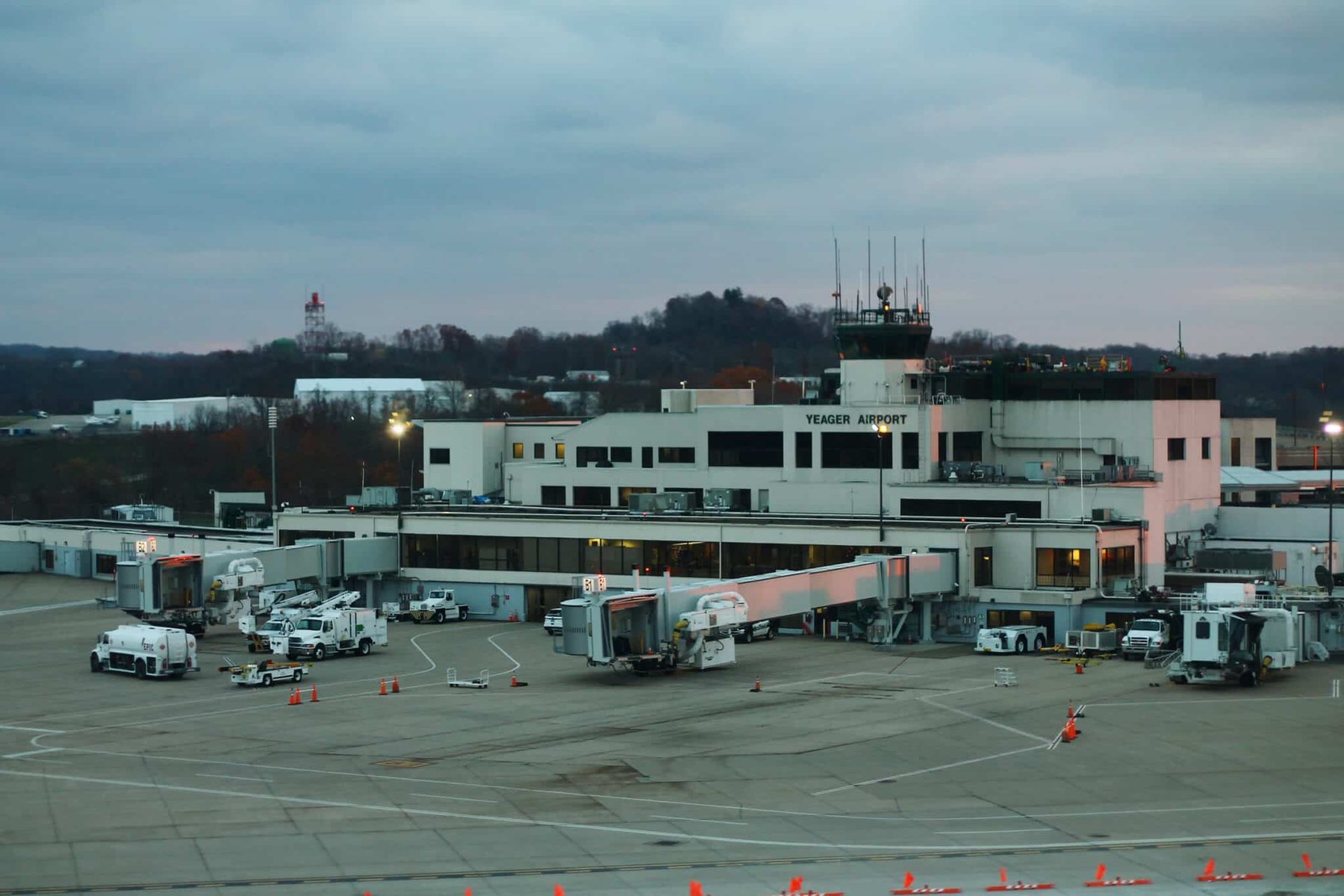
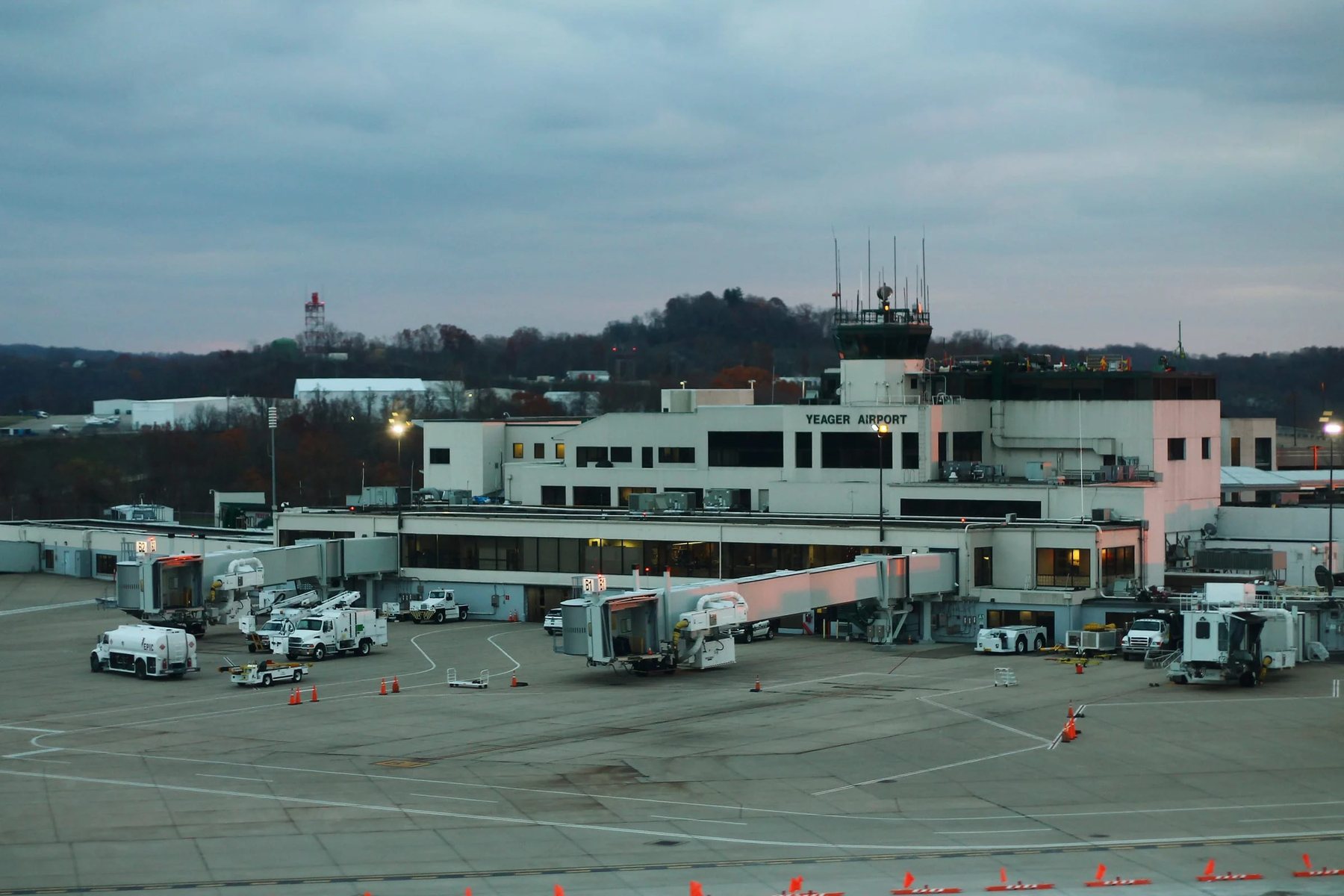
Central West Virginia Regional Airport Authority, which operates West Virginia International Yeager Airport, tried to reverse domain name hijack a domain name.
A Uniform Domain Name Dispute Resolution Policy (UDRP) panelist made this ruling following the airport operator filed a cybersquatting dispute against flyCRW.com.
It might have been a winnable case for the airport, but it didn’t argue its case with the necessary evidence.
The airport filed a trademark application for FLYCRW in September 2021, and the mark was registered in October 2022. The trademark application cited a first use in commerce date of 2017.
The domain was registered in 2019 following the airport claimed use of the mark.
To win the UDRP, the Complainant had to show that it had rights in the mark predating the domain registration. It failed to do so.
Panelist Alan L. Limbury wrote:
Exhibit A to the Complaint is the only evidence provided by Complainant in support of its claimed first use of the FLYCRW mark in commerce prior to the registration of the flycrw.com domain name. This is a screenshot of the main page of Complainant’s website at “www.yeagerairport.com” which displays a logo followed by the letters CRW and the words “West Virginia International Yeager Airport” and “#FLYCRW”. Complainant has provided no evidence as to the date of the screenshot nor of the number of views of that page of its website occurring prior to the registration of the flycrw.com domain name.
Nor has Complainant produced any evidence that, “through long and extensive use of the mark FLYCRW in connection with its airport services since 2017”, it had purchased common law trademark rights prior to the registration of the domain name, nor that Respondent was “indisputably aware of Complainant and its mark when the Domain Name was registered.”
In finding reverse domain name hijacking, Limbury wrote:
Complainant failed to produce any evidence in support of its conclusory and unsubstantiated arguments claiming use by Complainant of the FLYCRW mark prior to the registration of the domain name nor any evidence supporting any of the exceptions set out in the WIPO Jurisprudential Overview 3.0, ¶3.8.2.
The lack of any such evidence has been fatal to the success of the Complaint, since Respondent could not be shown to have had Complainant or its mark in mind when registering the domain name.
Complainant, through its Counsel, relied upon the case of Finaxa S.A. v. Spiral Matrix, WIPO Case No. D2005-1044, in which the disputed domain name was registered a number of years following the registration of the complainant’s trademarks.
This persuades the Panel that Complainant, represented by Counsel, appreciated that its Complaint ought to fail. The Panel therefore finds that the Complaint was brought in bad faith and constitutes an abuse of the administrative proceeding.
This might have been a winnable case. If the airport took the time to show its earlier trademark rights (assuming it actually was using FlyCRW as a mark back then), it would have been an easy win. The domain owner didn’t respond, so assuming use as a trademark ahead of the registration, it would have been an easy victory for the airport.
Instead, the airport was found to have filed a dispute in bad faith.
Babst Calland Clements & Zomnir, PC represented the Complainant. The domain name owner didn’t respond to the dispute.