
WHOIS Privacy vs. WHOIS Proxy: Unveiling the Differences for Domain Owners
In an increasingly digital world, owning a domain name is a fundamental step for individuals, businesses, and organizations to establish an online presence. However, along with the convenience of domain ownership comes the often-overlooked aspect of personal data exposure through the WHOIS database. Discussions in policy circles and among domain registrants frequently revolve around methods to safeguard this information, primarily focusing on services like WHOIS Privacy and WHOIS Proxy. While these terms are often used interchangeably, understanding their distinct mechanisms and implications is crucial for making informed decisions about your online security and data protection.
This comprehensive guide aims to demystify WHOIS Privacy and WHOIS Proxy, exploring their core definitions, operational differences, legitimate use cases, and critical considerations for domain owners. By the end of this article, you’ll have a clear understanding of which service best suits your specific privacy needs, empowering you to navigate the complexities of domain registration with confidence.
Understanding the WHOIS Database: The Foundation of Domain Transparency
Before delving into privacy solutions, it’s essential to grasp what the WHOIS database is and why it exists. The WHOIS system is a publicly accessible directory that stores the contact information of domain registrants (the individuals or entities who own domain names). Maintained by various domain registrars and overseen by the Internet Corporation for Assigned Names and Numbers (ICANN), WHOIS records serve several important purposes:
- Accountability: It provides a means to identify the responsible party behind a website, crucial for legal matters, intellectual property disputes, and combating online abuse.
- Contact: It enables technical and administrative contacts to be reached regarding issues like domain expiry, technical problems, or network security concerns.
- Transparency: Historically, ICANN mandated that registrant information be publicly available to ensure transparency in domain ownership.
A typical WHOIS record includes a wealth of personal data: the registrant’s full name, postal address, email address, phone number, and often the same details for administrative and technical contacts. While intended for legitimate purposes, the public nature of this data has led to significant privacy concerns, paving the way for services designed to shield this sensitive information.
The Growing Need for Domain Registration Privacy
The public availability of personal contact information through WHOIS records, while having its merits, also presents several drawbacks and risks in today’s digital landscape. Domain owners, both individuals and businesses, often seek ways to protect their data for various reasons:
- Spam and Unwanted Solicitations: The most common complaint is the influx of unsolicited emails, telemarketing calls, and even physical junk mail from marketers, scammers, and service providers who scrape WHOIS data.
- Identity Theft and Fraud: Personal details like names, addresses, and phone numbers are valuable to cybercriminals for phishing attacks, identity theft, and other fraudulent activities.
- Harassment and Doxing: Individuals, especially journalists, activists, or public figures, can become targets of harassment, doxing (publishing private information online), or even physical threats if their home address and personal contact details are easily accessible.
- Business Confidentiality: Companies often wish to keep new product launches, branding initiatives, or strategic partnerships confidential until they are ready for public announcement. Exposing domain registration details for unlaunched projects could reveal sensitive business plans to competitors.
- Personal Security: For individuals operating businesses or personal websites from their homes, exposing their residential address can pose a security risk.
These pressing concerns highlight why services that offer a layer of protection between the domain owner and the public WHOIS database have become indispensable.
Delving into WHOIS Privacy Services
Traditionally, WHOIS Privacy refers to a service where the actual owner of a domain name is still legally recognized as the registrant, but the public WHOIS record displays the contact details of the privacy service provider instead of the owner’s personal information. This means your name might still appear as the registrant, but the associated address, email, and phone number would belong to the privacy service.
How WHOIS Privacy Works:
- Direct Registrant, Masked Contacts: When you purchase WHOIS Privacy, your domain registrar (or a third-party service they partner with) becomes the listed contact for the administrative, technical, and billing fields in the public WHOIS record.
- Information Forwarding: The privacy service typically provides a unique email address or forwarding service. Any legitimate inquiries directed to the privacy contact email or postal address are then forwarded to your actual, private contact information.
- Legal Ownership Retained: Crucially, you remain the legal owner and registrant of your domain name. The privacy service merely acts as an intermediary for contact details.
Benefits of WHOIS Privacy:
- Reduced Spam and Solicitation: The primary advantage is shielding your direct email and phone number from public view, significantly cutting down on unwanted marketing calls and spam.
- Protection of Home Address: For individuals, it prevents their residential address from being easily scraped and published online.
- Affordability: Many registrars offer WHOIS Privacy as a free add-on or at a very low annual cost, making it an accessible option for most domain owners.
Limitations of WHOIS Privacy:
- Partial Anonymity: Your name might still be visible in some records, meaning complete anonymity is not guaranteed.
- Dependent on Registrar: The quality and extent of privacy can vary between registrars.
- Not Suitable for All Scenarios: In cases requiring very high levels of discretion or protection against targeted attacks, its partial nature might not suffice.
Exploring WHOIS Proxy Services
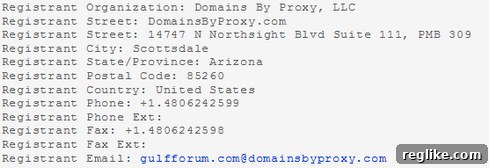
WHOIS Proxy takes privacy a significant step further than traditional WHOIS Privacy. With a proxy service, the identity of the actual domain registrant is completely masked. The proxy service itself is listed as the registrant in the public WHOIS record, effectively becoming the “owner” of record from a public perspective, while you, the beneficial owner, maintain control through a contractual agreement.
How WHOIS Proxy Works:
- Full Registrant Masking: The proxy service provider’s name, address, email, and phone number are displayed for all contact fields in the WHOIS record – registrant, administrative, technical, and billing. Your personal details are not visible anywhere in the public record.
- Contractual Agreement: You enter into a private agreement with the proxy service that grants you beneficial ownership and full control over the domain. This agreement outlines your rights and responsibilities, ensuring you can manage, transfer, or renew the domain.
- Example of a proxy in WHOIS:
- Communication Gateway: Similar to privacy services, proxy services forward legitimate communications to your private contact details, maintaining a secure channel between you and anyone attempting to contact the domain registrant.
Many prominent registrars, such as Network Solutions, have evolved their services. While they once offered what was purely termed “WHOIS Privacy,” many have transitioned to more comprehensive “proxy” models, like Network Solutions’ “Perfect Privacy,” recognizing the increased demand for more robust anonymity. In practice, this shift often blurs the lines, leading to the terms being used interchangeably.
Benefits of WHOIS Proxy:
- Enhanced Anonymity: Offers a significantly higher level of anonymity compared to basic privacy services, as your identity is completely shielded from public view.
- Stronger Protection Against Doxing/Harassment: Ideal for individuals who require stringent protection against targeted online attacks or privacy breaches.
- Business Confidentiality: Extremely valuable for businesses launching new ventures, testing new brands, or developing sensitive projects that need to remain secret until an official announcement.
- Reduced Legal Exposure: In some cases, it can provide an initial layer of insulation from direct legal inquiries, though this is not foolproof.
Limitations and Risks of WHOIS Proxy:
- “Bad Rap”: Due to its enhanced anonymity, WHOIS proxy services sometimes carry a negative connotation, as they can be misused by malicious actors for spam, phishing, or illegal activities. However, it’s crucial to remember that there are numerous legitimate reasons for using them.
- Legal Complexities: While you maintain beneficial ownership, the proxy service is the “registrant of record.” This can introduce complexities in specific legal situations or domain disputes.
- UDRP Vulnerability: A significant caveat is its behavior during domain disputes, such as those governed by the Uniform Domain-Name Dispute-Resolution Policy (UDRP). Most proxy services will reveal the actual registrant’s identity or withdraw their service if a UDRP complaint is filed against the domain. This is because the true owner must be able to defend their right to the domain.
- Cost: While some registrars include it, others charge a premium for WHOIS proxy services.
WHOIS Privacy vs. WHOIS Proxy: A Clear Comparison
To summarize the key distinctions and help you choose, here’s a direct comparison of the two services:
| Feature | WHOIS Privacy | WHOIS Proxy |
|---|---|---|
| Registrant Visibility | Your name may be visible; service’s contact details replace yours. | Your identity is completely masked; proxy service is listed as registrant. |
| Legal Ownership | You remain the direct legal owner. | You are the beneficial owner; proxy service is the registrant of record. |
| Level of Anonymity | Moderate; shields contact info but not always name. | High; complete masking of registrant identity. |
| How it Works | Registrar replaces your contact info with theirs, forwards mail. | Proxy service *becomes* the listed registrant, operates under private contract. |
| Common Perception | Generally viewed as a standard, beneficial service. | Can sometimes carry a “bad rap” due to potential for abuse, despite legitimate uses. |
| UDRP Impact | You directly defend the complaint. | Proxy service may reveal identity or withdraw, requiring you to step forward. |
| Typical Cost | Often free or low cost. | Can be free, included, or a premium add-on. |
Why the Terms Are Often Used Interchangeably
It’s common to hear “WHOIS privacy” used to describe what is technically a “WHOIS proxy” service, and vice-versa. There are several reasons for this linguistic blurring:
- Marketing Simplicity: “Privacy” is a universally understood and positive term. Registrars often use “WHOIS Privacy” as a blanket term for any service that helps shield registrant data, even if the underlying mechanism is a proxy. It sounds more appealing than “proxy.”
- Evolving Services: As mentioned, many services have evolved. What started as basic contact masking has often upgraded to full registrant proxying to offer more effective protection. The old terminology sometimes persists.
- User Perception: For the average domain owner, the end result is similar: less spam and their personal information isn’t easily accessible. The technical distinction between whether their name is visible versus completely masked often becomes secondary to the overall benefit.
On this blog, like many others, we sometimes use the terms interchangeably for simplicity, recognizing that the general intent is to protect registrant data from public exposure. However, understanding the precise difference is paramount when making a choice, especially for sensitive domains.
Legitimate Uses and Addressing Misconceptions
While WHOIS proxy services can be associated with illicit activities, it’s vital to highlight their numerous legitimate and beneficial applications:
- Protecting Personal Identities: Bloggers, content creators, journalists, and activists often use these services to prevent doxing, harassment, or targeted attacks from malicious actors.
- Maintaining Business Confidentiality: Startups can register domain names for new products or services without revealing their plans to competitors before an official launch.
- Reducing Unwanted Solicitations: Both individuals and businesses can significantly cut down on spam, telemarketing calls, and physical junk mail directed at their registered contact details.
- Shielding Home-Based Businesses: Entrepreneurs operating from their homes can keep their residential addresses private, enhancing personal security and professionalism.
- Brand Protection: Companies registering numerous domains for future projects or defensive purposes can manage them without overtly revealing every upcoming initiative.
The “bad rap” surrounding proxy services often stems from a misconception that anonymity equals nefarious intent. In reality, legitimate proxy services and registrars are legally bound to cooperate with law enforcement agencies and comply with court orders, revealing the true registrant’s identity when required by law. They do not offer truly untraceable anonymity for illegal activities.
Important Considerations and Caveats for Domain Owners
Choosing between WHOIS Privacy and WHOIS Proxy (or simply opting for no privacy) requires careful consideration of several factors:
- Understand the UDRP Policy: As noted, the Uniform Domain-Name Dispute-Resolution Policy (UDRP) is a critical point. If your domain is challenged, your proxy service is highly likely to reveal your identity or withdraw their service. Be prepared to defend your domain directly.
- Read the Terms of Service: Always thoroughly review the terms and conditions of your registrar and any privacy/proxy service. Understand what information they collect, how they handle forwarding, their policies on legal requests, and their stance on domain disputes.
- Consider Jurisdiction: The legal jurisdiction of your registrar and proxy service provider can impact how your data is handled and protected. Different countries have varying data privacy laws.
- Beneficial Ownership: Ensure your contractual agreement with a proxy service explicitly states your beneficial ownership of the domain. This is vital for maintaining control, especially for transfers or renewals.
- Cost vs. Value: Weigh the cost of these services against the value of the privacy they provide. For many, basic protection against spam is sufficient and affordable. For others with higher risk profiles, the enhanced anonymity of a proxy is worth a premium.
- GDPR Compliance: For registrants within the European Union, the General Data Protection Regulation (GDPR) has significantly impacted WHOIS data. ICANN has implemented a Temporary Specification for gTLD WHOIS Data, which limits the public display of personal data for EU registrants, regardless of whether they use a privacy service. This offers a baseline level of privacy but doesn’t negate the benefits of additional proxy services for non-GDPR-protected data or for full anonymity.
Choosing the Right Service for Your Needs
The best choice for you depends on your individual circumstances and level of privacy concern:
- For Most Individuals and Small Businesses: If your primary goal is to reduce spam, telemarketing, and protect your home address, a standard WHOIS Privacy service (even if it functions as a proxy in practice) offered by your registrar is usually sufficient and cost-effective.
- For Enhanced Anonymity and Business Confidentiality: If you are a public figure, a journalist, an activist, or a business launching a sensitive project, a full WHOIS Proxy service offers the robust anonymity you might require. Be mindful of the UDRP implications and ensure your contractual agreement is clear.
- When in Doubt: If you are unsure, consider starting with the basic privacy option. You can always upgrade to a more comprehensive proxy service if your needs evolve or if you encounter issues.
Conclusion: Empowering Your Domain Privacy Choices
The distinction between WHOIS Privacy and WHOIS Proxy, while often subtle in common parlance, represents different levels of data protection for domain owners. WHOIS Privacy typically masks contact information while potentially leaving the registrant’s name visible, whereas WHOIS Proxy completely conceals the actual registrant’s identity, listing the service provider as the official owner of record. Both services aim to address the legitimate privacy concerns arising from the public nature of the WHOIS database, but they do so with varying degrees of anonymity and associated implications.
Understanding these nuances is critical for safeguarding your personal information, protecting against unwanted solicitations, and maintaining business confidentiality. While often used interchangeably, knowing the specific functionalities of each empowers you to make an informed decision that aligns with your online privacy goals and risk tolerance. Always prioritize reading the terms of service and being aware of the limitations, especially concerning legal disputes, to ensure your domain ownership is both secure and well-protected.