
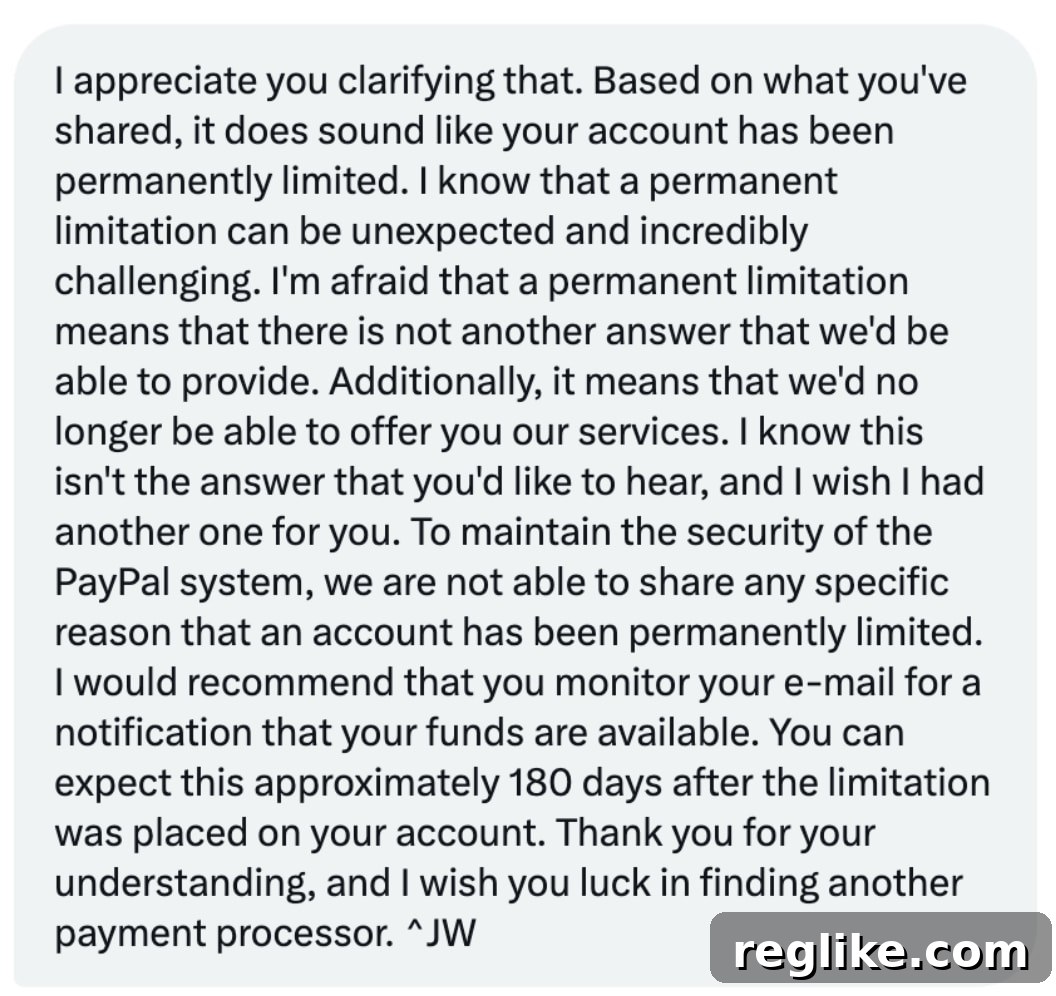
Protect Your Business: Navigating the Risks of PayPal Account Suspensions and Finding Reliable Alternatives
In the dynamic world of online business, seamless payment processing is not just a convenience—it’s the lifeblood of operations. For many entrepreneurs, PayPal has long been a go-to platform, celebrated for its widespread recognition and ease of use. However, a growing number of businesses are facing a harsh reality: sudden, unexplained account suspensions that can cripple their operations overnight. This article delves into the critical risks associated with over-reliance on PayPal, highlighting recent cases from the domain industry, and more importantly, outlines proactive steps and robust alternatives to safeguard your enterprise against unforeseen financial disruptions. Don’t let your business become the next victim; understand the perils and empower yourself with resilient payment strategies to ensure continuous operation and financial stability.
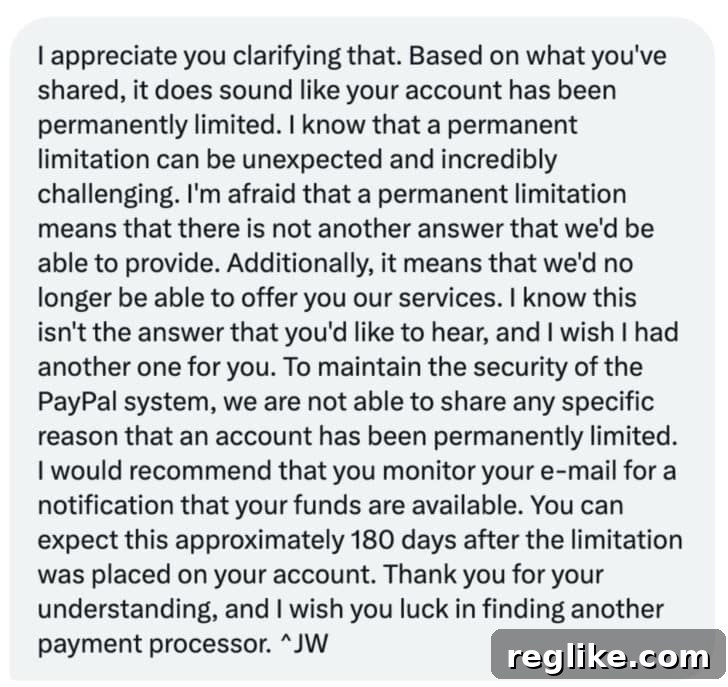
The recent experience of DotDB, a prominent company within the domain industry, serves as a stark and urgent reminder of the precarious position many businesses find themselves in. Without warning or a clear explanation, DotDB faced an immediate suspension of its PayPal account. Imagine the scenario: waking up one day to discover that your primary channel for receiving payments has been abruptly shut down. This isn’t just an inconvenience; it’s an existential threat. For businesses relying on recurring revenue, such as those with subscription models, this translates to all active subscriptions being thrown into limbo. Funds become locked, inaccessible for months, and without a viable alternative, the business effectively faces a 100% churn rate overnight. The image above visually represents the distressing message companies like DotDB receive—a cold, impersonal notification that can throw years of hard work and financial planning into disarray, underscoring the vital need for reliable payment gateway solutions.
A Disturbing Pattern: When Trusting PayPal Becomes a Critical Risk
DotDB is far from an isolated incident in the world of online payment processing. The pattern of abrupt and often unexplained PayPal account suspensions has been observed across various sectors, with the domain industry experiencing its fair share of such disruptions. Esteemed companies like Sav and NameBio have publicly shared their harrowing experiences, echoing the same narrative: a sudden loss of payment processing capabilities, frozen funds, and a frustrating lack of transparency from PayPal’s support mechanisms. These aren’t just minor hiccups; they are catastrophic events that can halt cash flow, damage customer relationships, and even force businesses to reconsider their fundamental viability. When large tech platforms hold such immense power over a small business’s financial infrastructure, the potential for abuse or, at the very least, severe oversight, becomes a pressing concern for any entrepreneur. The core issue isn’t just the suspension itself, but the lack of due process, the absence of clear communication regarding the alleged transgression, and the often-protracted period during which funds remain inaccessible, severely impacting working capital and operational continuity for online merchants.
The Crippling Impact of Unexplained Payment Processor Suspensions
The consequences of an arbitrary payment account suspension extend far beyond mere inconvenience; they represent a severe threat to a business’s stability and growth. For a business, especially a small to medium-sized enterprise (SME) or an independent entrepreneur, an immediate suspension from a major payment processor like PayPal can be devastating. Here’s a deeper look into the cascading effects:
- Severe Cash Flow Interruption: All incoming revenue streams are cut off instantly. For subscription-based services, this means all recurring payments fail, leading to an immediate and dramatic drop in income that can jeopardize payroll, supplier payments, and essential operating expenses.
- Frozen Funds and Prolonged Inaccessibility: PayPal often holds suspended funds for an extended period, typically 180 days, citing various clauses in their user agreement related to potential chargebacks or disputes. This effectively deprives businesses of their earned income, making it impossible to meet financial obligations or invest in future growth.
- Massive Customer Churn and Damaged Reputation: Customers attempting to make payments will face failed transactions, leading to frustration, loss of trust, and ultimately, a significant surge in churn rates. Re-engaging these customers can be an uphill battle, especially if they perceive the issue as a failure on the merchant’s part, leading to long-term reputational damage.
- Operational Paralysis and Business Disruption: Without a functional payment gateway, essential business activities like selling products, providing services, or receiving payments for subscriptions become impossible. This can halt growth plans, disrupt service delivery, and even lead to the permanent closure of otherwise viable businesses.
- Legal and Compliance Headaches: Dealing with frozen funds and the lack of explanation often requires significant time and potentially expensive legal resources, diverting critical attention and capital from core business activities. Furthermore, it can create complex tax and accounting issues for the affected business.
- Loss of Merchant Trust and Confidence: When payment processors act unilaterally and without clear justification, it erodes the trust that merchants place in these essential services. This makes it harder for entrepreneurs to focus on innovation and growth when they constantly have to worry about the security of their payment channels.
Time and again, we have witnessed instances where PayPal has closed accounts erroneously, later admitting their mistake. However, by then, the damage is already done, and the business has borne the brunt of the error. Suspending a merchant’s account should be a measure taken with the utmost care and consideration, given that it directly impacts someone’s livelihood and the economic stability of their venture. The existing system often feels punitive and lacks the necessary safeguards to protect legitimate businesses from the severe consequences of automated errors or opaque policies.
Taking Control: The Imperative to Diversify and Migrate Your Payment Processing
Given the documented risks and the profound impact these payment account suspensions can have, the message to entrepreneurs is clear and urgent: it is absolutely imperative to begin transitioning as much of your subscription base and overall payment processing away from PayPal as quickly and strategically as possible. This isn’t just about finding an alternative; it’s about building resilience into your financial infrastructure. Relying on a single payment processor, especially one with a history of arbitrary actions, is an unnecessary gamble with your business’s future. The time to act is now, before your business becomes another statistic struggling with frozen funds and operational disruption.
The overarching goal is not simply to avoid PayPal but to establish a robust, diversified payment ecosystem that ensures continuous operation, even if one channel experiences an issue. This diversification minimizes risk, protects cash flow, and provides invaluable peace of mind for business owners. For those currently heavily reliant on PayPal, the transition might seem daunting, but the potential cost of inaction far outweighs the effort required for migration. Think of it as investing in an essential insurance policy for your business’s financial health, ensuring that your online payment solutions are secure and dependable.
Stripe: A Breath of Fresh Air in the World of Online Payment Gateways
When considering alternatives for online payment processing, many entrepreneurs seek reliability, robust features, developer-friendly integrations, and, crucially, excellent customer support. My personal experience with Stripe, used extensively for my previous business, exemplifies what a modern payment processor should be. The transition was remarkably easy, and their platform offered a level of flexibility and transparency that was a refreshing contrast to previous experiences. Stripe’s developer-friendly APIs make integration straightforward for businesses of all sizes, from startups to large enterprises, allowing for highly customized and seamless payment experiences for customers. Beyond the technical capabilities, their commitment to merchant support truly stands out as a key differentiator.
- Exceptional Customer Support: Stripe offers nearly instant chat support, providing immediate assistance and swiftly resolving any issues encountered. This direct, efficient communication channel is invaluable for maintaining business continuity and resolving payment gateway issues promptly.
- Seamless Account Transfers for Business Changes: When the time came to sell my business, Stripe facilitated the transfer of the account to the new owner within mere hours. This level of efficiency, understanding of complex business transactions, and proactive support is crucial for mergers, acquisitions, and succession planning, minimizing disruption during critical transitions.
- Business-Friendly Compliance and Reporting: They even adjusted our 1099s to accurately reflect the effective date of the transaction, demonstrating a proactive approach to merchant compliance and a willingness to work collaboratively with businesses to ensure accurate financial reporting.
- Robust Feature Set and Global Reach: Beyond basic payment processing, Stripe provides a comprehensive suite of tools for managing subscriptions, invoicing, advanced fraud prevention, detailed reporting, and global payments across numerous currencies and countries, making it a powerful ally for growing businesses seeking to expand their reach.
While Stripe is an outstanding example, it isn’t the only viable alternative. Its reputation for reliability, strong customer focus, and commitment to supporting business growth makes it a standout choice for many. Other reputable payment gateways and online payment solutions include Square, Braintree (which, while owned by PayPal, often operates with different policies for large merchants), Adyen, and specialized solutions tailored to specific industries. The key is to thoroughly research and choose a payment processor that aligns perfectly with your business model, customer base, technical requirements, and overall risk tolerance, ensuring long-term financial security for your enterprise.
Key Considerations When Choosing a Secure Payment Processor
Migrating or diversifying your payment processing requires careful evaluation and a strategic approach. Here are essential factors to consider beyond just the immediate transaction fees:
- Reliability and Uptime Guarantees: How stable is the platform? What is their track record for outages or service disruptions? A reliable payment gateway is non-negotiable for consistent revenue.
- Robust Security and PCI DSS Compliance: Ensure the processor handles sensitive data securely and is fully PCI DSS (Payment Card Industry Data Security Standard) compliant to protect both your business and your customers from data breaches.
- Accessible and Quality Customer Support: Evaluate the responsiveness, accessibility, and quality of their support channels. Can you reach a human quickly and efficiently when an urgent issue arises? This is crucial for resolving critical problems.
- Comprehensive Features and Seamless Integrations: Does it support your specific business needs (e.g., subscriptions, invoicing, recurring payments, international payments, specific e-commerce platforms like Shopify or WooCommerce)? Are there robust APIs for custom integrations and a wide ecosystem of compatible apps?
- Transparent and Competitive Pricing Structure: Understand all fees involved – transaction fees, monthly fees, chargeback fees, international fees, and any potential hidden costs. Transparency in pricing is key to managing your operational expenses effectively.
- Advanced Fraud Prevention Tools: Look for built-in, intelligent fraud detection and prevention mechanisms to minimize chargebacks, financial losses, and protect your business from malicious activities.
- Fair and Efficient Dispute Resolution Process: How do they handle chargebacks and customer disputes? Is their process fair, transparent, and supportive of merchants, providing clear guidelines and assistance?
- Scalability and Global Reach: Can the processor grow with your business and support your expansion into new markets and currencies without requiring a complex re-integration? A truly global payment solution can be a significant advantage.
- Clear and Understandable Terms of Service: Dedicate time to thoroughly read their user agreement, paying close attention to clauses related to account suspension, fund holding policies, and prohibited activities to avoid future surprises.
Best Practices for a Secure and Resilient Online Payment Strategy
Beyond simply switching payment providers, adopting a holistic and proactive approach to payment processing can insulate your business from future shocks and ensure long-term stability:
- Diversify Your Payment Gateways: Never rely solely on one provider. Integrate at least two, preferably three, different payment processors. This redundancy acts as a critical safety net, ensuring you always have an alternative if one service experiences issues.
- Understand All Terms and Conditions: Dedicate time to thoroughly read and comprehend the terms of service for every single payment processor you use. Ignorance of a clause, especially regarding “acceptable use” or suspension triggers, can lead to costly mistakes and account closures.
- Maintain Excellent Record-Keeping: Keep meticulous records of all transactions, communications with customers, and interactions with your payment processors. This detailed evidence can be invaluable in case of disputes, chargebacks, or account reviews.
- Proactive Communication with Providers: If you foresee any activity that might appear unusual to your payment processor (e.g., a sudden, significant spike in sales, a change in business model, or a new product launch), communicate with them in advance. Transparency can prevent automated flags.
- Regularly Review Your Payment Mix: Periodically assess your current payment processors. Are they still meeting your evolving business needs? Are there new, better, or more cost-effective alternatives available in the market? Stay informed and adapt.
- Educate Your Team on Payment Security: Ensure everyone on your team who interacts with payment systems understands best practices for security, fraud prevention, and potential risks associated with online transactions.
- Develop a Comprehensive Contingency Plan: Create a clear, actionable plan for what your business will do if a primary payment processor suddenly suspends your account. This should include immediate steps to switch customers to an alternative, communication strategies for affected customers, and financial management plans for any frozen funds.
Conclusion: Safeguarding Your Business’s Financial Future
The experiences of DotDB, Sav, NameBio, and countless other businesses highlight a critical vulnerability in the current digital economy: the immense power wielded by major payment processors over the livelihoods of entrepreneurs. While platforms like PayPal offer undeniable convenience and widespread recognition, their opaque policies and propensity for arbitrary account suspensions pose an unacceptable risk to any business striving for stability and growth. Entrusting your entire financial operation to a single company that can, without warning or clear justification, sever your access to funds and customers is a gamble no responsible entrepreneur should take lightly.
The time for vigilance and proactive measures is now. By understanding the inherent risks of relying solely on one payment gateway, exploring reliable alternatives like Stripe, and implementing best practices for a diversified and robust payment strategy, businesses can build a resilient defense against financial disruptions. Don’t wait until your revenue streams are frozen, your cash flow is interrupted, and your customers are frustrated to act. Take control of your payment infrastructure today, choose partners that genuinely prioritize your business’s success and security, and proactively safeguard your financial future. Your livelihood and the continuity of your business depend on it.