
Is WordPress Too Complex for Small Business Owners? A Simpler Website Solution Needed
WordPress, while powerful, often presents a steep learning curve for the average small business owner. The initial setup and ongoing management need to be simplified to accommodate those without technical expertise.
WordPress is a dominant force on the web, powering approximately 31% of all websites. Its versatility and extensive plugin ecosystem make it a popular choice for businesses and individuals alike. I’ve personally used WordPress on this very blog since 2005 and appreciate its capabilities. However, a significant challenge exists for the millions of small business owners who lack a website: the daunting learning curve associated with WordPress.
The complexity of WordPress can be a significant barrier to entry for those unfamiliar with web development or content management systems. Navigating the dashboard, installing plugins, selecting themes, and configuring settings can quickly become overwhelming. This complexity often prevents small business owners from establishing an online presence, hindering their growth and potential reach.
To address this issue, I’ve explored several WordPress alternatives, including user-friendly website builders such as Wix, Weebly, SquareSpace, Yahoo Small Business, and GoCentral. These platforms offer a simplified approach to website creation, allowing users to build and launch a site without requiring extensive technical knowledge.
These website builders offer a much simpler starting point compared to WordPress. Their drag-and-drop interfaces, pre-designed templates, and intuitive tools make it easy for beginners to create visually appealing websites quickly. However, these platforms often lack the flexibility and customization options that WordPress provides.
A significant drawback of these alternative website builders is the difficulty in migrating to WordPress when a website owner desires greater flexibility and customization capabilities. Moving a website from these platforms to WordPress can be a complex and time-consuming process, often requiring significant technical expertise. One exception is DreamHost’s Remixer, although its capabilities are not as competitive as other site builders.
With over 13 years of experience using WordPress, I can confidently navigate the Admin interface and perform most required tasks. However, customizing the look and feel of a site remains challenging without coding knowledge. While Gutenberg, the WordPress block editor, aims to simplify this process, the underlying site structure can still be difficult to manage for non-technical users.
Pre-built frameworks can offer some assistance, but there is still room for improvement. Take Genesis, for example, which powers this site and PodcastGuests.com. The Genesis framework is designed to facilitate easier site customization, but even with its features, I still require the assistance of a developer to implement complex changes.
There are numerous excellent themes for Genesis available. However, the initial experience with these themes can be underwhelming. They typically install with a default blog structure that differs significantly from the theme’s demo, requiring users to manually configure widgets and settings to achieve the desired look. This process can be confusing and time-consuming for beginners.
WP Engine’s acquisition of StudioPress, the creator of Genesis, presents a significant opportunity. WP Engine should focus on creating a seamless, one-click experience that allows users to select a Genesis-based theme and instantly replicate the layouts showcased in the theme’s demo. This would greatly improve the user experience and make Genesis more accessible to a wider audience.
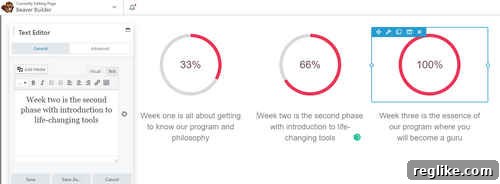
Among the various WordPress experiences I’ve encountered, GoDaddy’s approach seems to be the closest to achieving a user-friendly customization process. This is primarily due to its integration with Beaver Builder, a drag-and-drop plugin for WordPress. GoDaddy simplifies the setup by asking for your site category and contact information, layering in its Primer theme, and then empowering users to customize their site using Beaver Builder. An example of a site built on GoDaddy and Beaver Builder demonstrates the potential of this approach.
While GoDaddy’s integration with Beaver Builder represents a step in the right direction, it still presents challenges for individuals unfamiliar with the WordPress admin interface. Although it eliminates the need for a developer to create the site, a certain level of WordPress knowledge is still required to navigate the platform and effectively utilize Beaver Builder’s features.
Automattic’s WordPress.com offers another viable alternative for users seeking a simpler WordPress experience. The sign-up process adapts to the user’s skill level, providing a customized experience tailored to their technical expertise. This approach helps to alleviate the initial overwhelm and guide users through the website creation process.
The ideal solution would be to enable users to create a website on a “WordPress-lite” platform. This simplified version of WordPress would not resemble the traditional WordPress interface, instead offering a more intuitive and user-friendly experience similar to popular website builders. When users are ready to leverage the full flexibility and power of WordPress, they could seamlessly upgrade to the full version without losing their existing content or design. This approach would bridge the gap between ease of use and advanced customization, making WordPress accessible to a wider range of users and empowering small business owners to establish a successful online presence.
In conclusion, while WordPress remains a powerful and versatile platform, its complexity can be a significant barrier for small business owners without technical expertise. The development of a “WordPress-lite” version, offering a simplified interface and seamless upgrade path to the full platform, would be a game-changer, making WordPress accessible to a wider audience and empowering businesses to thrive online. Until then, exploring alternatives like GoDaddy’s Beaver Builder integration and WordPress.com’s customized experience can provide valuable solutions for those seeking a simpler path to website creation.