
Chef Stuart Shaw’s Legal Battle: Unraveling Allegations of Domain Hostage-Taking and Website Sabotage
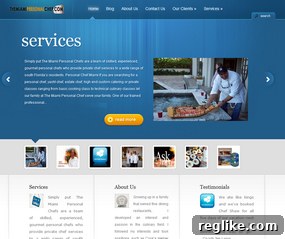
In an increasingly digital world, a business’s online presence is paramount to its success. For many small businesses, their domain name isn’t just an address; it’s a vital part of their brand identity, their main point of contact with customers, and a cornerstone of their marketing efforts. When that critical asset is allegedly held hostage, and further attempts are made to undermine a new digital presence, the consequences can be devastating. This is precisely the legal quagmire Miami-based personal chef Stuart Shaw claims to be navigating, as he sues the owner of a former web design and marketing company for allegedly refusing to release his domain name and actively sabotaging his new website.
Chef Shaw’s lawsuit casts a stark light on the vulnerabilities small business owners face when entrusting their digital assets to third-party web service providers. The allegations against the individual owner of Need Marketing Group paint a troubling picture of professional misconduct, digital asset appropriation, and calculated attempts to harm a former client’s business online. Understanding the intricacies of this case offers valuable lessons for any entrepreneur building an online presence.
The Genesis of the Dispute: A Partnership Gone Awry
According to the lawsuit, Chef Stuart Shaw initially contracted with Need Marketing Group in 2007. The objective was clear: to develop and manage a website for his culinary services under the domain name MiamiPersonalChefs.com. This arrangement, common for small businesses seeking professional web expertise without the overhead of an in-house team, continued for three years. However, in 2010, Shaw made the decision to cancel services with the firm, marking what he believed would be a straightforward separation. What allegedly followed, however, was anything but.
Upon termination of services, Shaw claims that the defendant – the individual owner of Need Marketing Group – unlawfully refused to facilitate the transfer of his original domain name, MiamiPersonalChefs.com. This refusal to release a domain name, especially one integral to a business’s established brand and online search presence, constitutes a significant hurdle for any business owner. A domain name is often seen as digital real estate; losing control over it can mean losing a well-established online identity, customer recognition, and accumulated search engine authority.
The Critical Importance of Domain Ownership and Control
The core of this initial dispute underscores a crucial piece of advice for all business owners: always ensure your domain name is registered in your own name, and you maintain complete administrative control over it. It is unfortunately a common practice for less scrupulous web designers or marketing firms to register client domains under their own accounts. This grants them leverage and, in extreme cases, the ability to hold a domain name hostage, demanding additional fees or compliance before release. Such actions can cripple a business, forcing it to rebuild its online presence from scratch, lose valuable search engine rankings, and confuse loyal customers.
For a personal chef like Stuart Shaw, MiamiPersonalChefs.com wasn’t just a URL; it was likely where his existing and potential clients expected to find him. It represented years of branding, marketing, and SEO efforts. Losing access to this domain means losing that accumulated goodwill and visibility, forcing a difficult and costly rebranding and re-establishment process.
Beyond Hostage-Taking: Allegations of Active Sabotage
The allegations in Chef Shaw’s lawsuit extend far beyond merely withholding a domain name. They detail a pattern of alleged active sabotage aimed at undermining his new digital venture, TheMiamiPersonalChef.com. These claims, if proven true, reveal a deeper level of malicious intent and raise serious questions about professional ethics in the digital marketing industry.
Exploiting the Old Domain to Promote Competitors
One of the more damaging allegations is that the defendant created a new website on the now-controlled MiamiPersonalChefs.com domain, specifically designed to highlight Shaw’s competitors. This move is particularly insidious. Not only does it redirect potential customers away from Chef Shaw, but it actively promotes his rivals using an online asset that rightfully belonged to him. This is a direct competitive strike, leveraging a stolen asset to the detriment of the original owner and the benefit of others, potentially creating significant confusion among consumers and diverting valuable business leads.
Targeting the New Website: TheMiamiPersonalChef.com
The lawsuit further claims that the defendant undertook a series of steps to sabotage Chef Shaw’s newly established website, TheMiamiPersonalChef.com. These alleged actions demonstrate a sophisticated understanding of online marketing mechanics and an intent to cause maximum disruption and financial harm:
- Generating Excessive Traffic to Inflate Ad Costs: Shaw alleges that the defendant was behind attempts to send “lots of traffic” to his new site. While seemingly innocuous, if this traffic was driven through paid advertising channels like Google AdWords, it could lead to significantly inflated advertising costs without any genuine customer engagement. This practice, often referred to as “click fraud” or “ad fraud,” depletes a business’s marketing budget rapidly and ineffectively, sabotaging their advertising campaigns and leading to substantial financial losses.
- Hacking into Google AdWords Account: Perhaps the most alarming of the sabotage claims is the allegation of hacking into Chef Shaw’s Google AdWords account. Gaining unauthorized access to an advertising account can have catastrophic consequences. A malicious actor could drain advertising budgets, redirect ads to competitor sites, place inappropriate content, or gather sensitive business information. Such an act is a severe breach of security and can lead to immediate financial loss, reputational damage, and a complete loss of trust in digital marketing platforms. It represents a direct attack on a business’s operational and financial integrity.
These allegations, taken together, suggest a deliberate and multi-pronged strategy to not only retain an old asset but also actively cripple the new venture of a former client. Such actions go far beyond a simple business dispute and delve into the realm of malicious interference and potentially illegal activities.
Protecting Your Digital Assets: Essential Safeguards for Small Businesses
Chef Stuart Shaw’s experience serves as a cautionary tale and a powerful reminder for all small business owners. While outsourcing web development and marketing can be efficient, it’s critical to establish clear ownership and control over all digital assets from day one. Here are crucial steps to prevent similar predicaments:
1. Domain Name Ownership is Non-Negotiable:
- Register Yourself: Always register your domain name directly through a reputable registrar (e.g., GoDaddy, Namecheap) using your own name, email address, and payment information.
- Maintain Control: Ensure you have full administrative access to your registrar account. This includes login credentials, the ability to update nameservers, and transfer locks. Your web designer should only be granted delegated access or specific permissions, not full ownership.
- Verify Annually: Check your domain registration details annually to ensure they remain accurate and that you are listed as the registrant.
2. Website Hosting Account:
- Your Account, Your Control: Similarly, establish your own hosting account with a hosting provider. Your web developer should be granted access as a collaborator or user, not the primary account holder.
- Regular Backups: Ensure you have regular, independent backups of your website files and database. This protects against data loss due to disputes or technical failures.
3. Comprehensive Contracts and Agreements:
- Specify Ownership: Your contract with any web design or marketing firm must explicitly state that all digital assets, including domain names, website code, content, graphics, and access to analytics accounts (Google Analytics, Google Search Console, Google Ads), are the sole property of your business.
- Exit Strategy Clauses: Include clear clauses detailing the handover process upon termination of services, including timelines for domain transfer, website file delivery, and all access credentials.
- Intellectual Property: Ensure the contract specifies that all original content created for your site (text, images, branding) is your intellectual property.
4. Managing Access Credentials:
- Limit Access: Provide your web team with the minimum necessary access credentials. For instance, grant them editor access to your content management system (CMS) rather than full administrative control unless absolutely necessary for specific development tasks.
- Change Passwords: Immediately change all relevant passwords (domain registrar, hosting, CMS, analytics, social media) once a service agreement is terminated or if there’s any suspicion of unauthorized access.
- Utilize Two-Factor Authentication (2FA): Enable 2FA on all critical accounts for an added layer of security.
5. Due Diligence and Reputation:
- Research Thoroughly: Before hiring any web professional, conduct extensive research. Check references, look for online reviews, and scrutinize their portfolio.
- Understand Their Process: Ask clear questions about their procedures for domain registration, hosting setup, and post-project handover.
The Broader Implications for the Digital Economy
Chef Shaw’s case, while specific to a personal chef in Miami, highlights a broader issue within the digital economy. As more businesses move online, the risks associated with digital asset management and vendor relationships become increasingly complex. Disputes over domain names, website content, and online advertising accounts can cripple small enterprises that often lack the legal resources or technical expertise to fight back effectively.
This situation underscores the need for greater transparency and accountability within the web services industry. While many web professionals operate with integrity, the occasional rogue actor can tarnish the reputation of the entire field. Legal actions like Chef Shaw’s are crucial in setting precedents and discouraging unethical practices, ultimately contributing to a safer and more reliable online environment for businesses.
Conclusion: Vigilance in the Digital Age
The allegations by Miami personal chef Stuart Shaw against his former web marketing firm serve as a powerful cautionary tale. From the refusal to transfer a critical domain name to alleged acts of sabotage targeting his new website through traffic bombing and AdWords account hacking, the case illustrates the severe consequences of losing control over digital assets. While the legal process will ultimately determine the truth of these claims, the narrative itself offers invaluable lessons for every entrepreneur.
In the digital age, a business’s online presence is not just an adjunct; it is often its very lifeline. Protecting this lifeline requires proactive measures: ensuring direct ownership of domain names and hosting accounts, drafting comprehensive contracts, diligently managing access credentials, and performing thorough due diligence on all service providers. By embracing vigilance and best practices, small business owners can better safeguard their digital future and focus on what they do best – growing their business without the fear of digital sabotage.