
Protecting the Knights’ Brand: UCF Sues Pat’s Liquor Over Unauthorized Affiliation Claims
The ongoing legal battle between the **University of Central Florida (UCF)** and a local liquor store highlights the critical importance of brand protection for educational institutions. UCF, a prominent public research university in Orlando, has initiated a lawsuit against Pat’s Liquor for allegedly infringing on its trademark and creating a misleading association with the university. This case underscores the challenges universities face in safeguarding their identity, reputation, and intellectual property in an increasingly complex commercial landscape, especially concerning products like alcohol.
Universities invest significantly in building their brand, which represents their academic excellence, community values, and student experience. When a commercial entity attempts to capitalize on that brand without authorization, it not only undermines the university’s control over its image but can also create significant confusion among the public, including students, parents, and alumni. The **UCF lawsuit** is a clear statement that the university is prepared to take robust legal action to defend its integrity and the distinctiveness of its widely recognized identity.
The Core of the Dispute: Unauthorized Use of UCF’s Brand
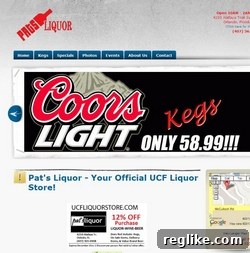
At the heart of the dispute is Pat’s Liquor’s deliberate marketing strategy, which positioned itself as “Your Official UCF Liquor Store.” This claim is not merely a descriptive label but a direct assertion of an endorsement or affiliation that the **University of Central Florida** explicitly denies. Pat’s Liquor, conveniently located about a mile from UCF’s bustling Orlando campus, has actively leveraged this proximity and the university’s established brand for its commercial gain. Such an association is deeply problematic for several reasons.
Firstly, the very notion of an “official liquor store” in conjunction with a major educational institution like UCF presents an inherent contradiction. Universities are dedicated to education, research, and fostering a safe and healthy environment for their students. Aligning with a liquor store, especially one that uses such an overt claim of official status, conflicts directly with a university’s mission and its responsibilities, particularly regarding underage drinking and responsible alcohol consumption among its student body. This incongruity raises serious concerns about the university’s public image and its commitment to student well-being.
Moreover, the use of phrases like “Your Official UCF Liquor Store” creates a significant risk of **consumer confusion**. Students, their parents, new faculty, or even visitors to the Orlando area might genuinely believe that Pat’s Liquor is officially sanctioned or endorsed by the university. This misunderstanding could lead to a false sense of trust or loyalty, directly benefiting the liquor store through misleading advertising and potentially harming UCF’s reputation. The university contends that this strategy is not only opportunistic but also deceptive, leveraging UCF’s goodwill without permission or legal basis.
The Digital Battleground: Domain Names and Social Media Presence
In today’s digital age, online presence is paramount, and a business’s domain name often serves as its primary identifier. For Pat’s Liquor, the choice to use **UCFLiquorStore.com** as its domain name was a critical component of its branding strategy. A domain name that directly incorporates a university’s well-known acronym is a powerful tool for implying affiliation. It suggests a direct link, making it appear as if the store is not just near the university but is an extension of it in the digital realm. This deliberate selection of a domain name is central to UCF’s claims of trademark infringement and misleading trade practices, as it creates an immediate, strong association that is both unauthorized and detrimental.
Beyond the domain name, Pat’s Liquor also extended its unauthorized branding to social media platforms. The company’s Facebook page, located at facebook.com/patsliquorucf, further cemented the perceived connection to the university. Social media platforms are powerful amplifiers of brand messaging, and by incorporating “UCF” into its handle, Pat’s Liquor significantly broadened the reach of its misleading claims. These digital assets work in tandem to paint a picture of an officially recognized entity, making the case for **trademark dilution** and consumer deception even stronger.
As the legal process unfolded, a significant development occurred: the domain name **UCFLiquorStore.com** was observed to resolve to a page indicating it was “offline for maintenance.” While the exact reasons for this change are not publicly known, it signals a potential response to the mounting legal pressure from UCF. Whether this is a temporary measure or a precursor to further changes dictated by the lawsuit’s outcome remains to be seen, but it highlights the immediate impact of legal action on a business’s online identity.
UCF’s Efforts and Legal Basis for Action
Before resorting to litigation, the **University of Central Florida** diligently pursued an amicable resolution. UCF asserts that it sent multiple **cease and desist letters** to Pat’s Liquor, formally requesting that they discontinue the unauthorized use of the UCF brand and its associated marks. These letters are a standard preliminary step in intellectual property disputes, offering the alleged infringer an opportunity to rectify the situation without court intervention. However, according to UCF, these attempts to resolve the issue amicably were unsuccessful, as no response was received from the liquor store. This lack of engagement left the university with no recourse but to initiate formal legal proceedings.
The **UCF lawsuit** was subsequently filed in the U.S. District Court in Orlando, laying out several key legal claims. The university’s legal strategy is built upon protecting its valuable intellectual property and preventing harm to its brand and reputation. The primary legal grounds cited in the lawsuit include:
- Trademark Dilution: UCF argues that Pat’s Liquor’s use of “UCF Liquor Store” dilutes the distinctiveness of the UCF trademark. Dilution can occur even if there is no direct competition between the two parties. The unauthorized use blurs the public’s perception of the university’s brand, weakening its unique association with educational excellence and community values. When a strong, recognizable mark like UCF is used in connection with vastly different goods or services (like alcohol sales), it can diminish the mark’s ability to identify and distinguish the original source.
- Unfair and Deceptive Trade Practices: This claim centers on the assertion that Pat’s Liquor engaged in business practices designed to mislead consumers. By claiming to be “official,” the store created a false impression of endorsement or affiliation, thereby gaining an unfair competitive advantage over other local businesses that do not make such deceptive claims. These practices are considered illegal because they harm both consumers and legitimate competitors.
- Misleading Advertising: The university explicitly alleges that Pat’s Liquor’s marketing, including its name, domain, and social media presence, constitutes misleading advertising. The claim of “official” status is demonstrably false and is intended to deceive the public into believing a non-existent relationship. Such advertising practices are prohibited by law to ensure truthfulness in marketing and protect consumers from being tricked into making purchases based on false pretenses.
These legal arguments collectively form a robust challenge to Pat’s Liquor’s branding and marketing tactics, asserting that they cross the line from clever marketing into unlawful infringement and deception.
The Broader Implications for University Branding and Reputation
This lawsuit extends far beyond a simple dispute over a name; it holds significant implications for the broader landscape of **university branding** and the protection of their institutional reputations. For **University of Central Florida**, safeguarding its brand is paramount. The UCF brand represents years of academic achievement, community engagement, and the aspirations of thousands of students and alumni. Allowing a commercial entity, especially one selling alcohol, to appropriate this brand without authorization could severely undermine the university’s image, academic integrity, and its responsibilities to its community.
The case sets a crucial precedent for other **higher education institutions**. Universities across the country must vigilantly defend their trademarks against unauthorized commercial use. The digital era has opened new avenues for brand misuse, from deceptive domain names to misleading social media profiles. If universities do not actively enforce their intellectual property rights, they risk a proliferation of unauthorized uses that could dilute their brands, confuse their stakeholders, and compromise their hard-earned reputations. This is particularly sensitive when the unauthorized use involves products like alcohol, which can pose health and safety risks, especially to a student population that includes many underage individuals.
A university’s brand is also vital for its financial health and growth. It plays a critical role in attracting prospective students, recruiting top-tier faculty, securing research funding, and fostering valuable partnerships. Any erosion of this brand through unauthorized or misleading associations can have long-term negative effects on enrollment, fundraising efforts, and overall institutional prestige. The **UCF lawsuit** is, therefore, not just about protecting a name but about preserving the core identity and future viability of the institution.
The Value of a University Trademark in the Modern Age
A university trademark embodies much more than just a logo or an acronym; it represents a comprehensive commitment to quality education, scholarly pursuits, community service, and rich traditions. It is a symbol of trust, a mark of academic excellence, and a promise to stakeholders. This intangible asset holds immense value, distinguishing the institution in a competitive global landscape and serving as a beacon for prospective students, faculty, and research partners.
In the **digital era**, the challenges of protecting such trademarks have grown exponentially. The internet provides a vast, open platform where domain names, social media handles, and online advertising campaigns can rapidly disseminate information—or misinformation. This environment creates myriad opportunities for unauthorized parties to exploit established brands, making proactive and rigorous brand protection efforts essential. Universities must navigate complex legal frameworks to monitor and combat potential infringements across various online channels.
Furthermore, university trademarks also possess significant economic value through legitimate licensing agreements. Many universities license their names, logos, and mascots for various merchandise, generating revenue that supports academic programs, scholarships, and campus facilities. Unauthorized use, such as that alleged against Pat’s Liquor, directly undermines these legitimate licensing efforts. It detracts from the exclusivity and value of official university-branded products and services, potentially causing financial harm to the institution and diluting the market for authorized licensees. The **UCF lawsuit** serves as a vital reminder of the broad economic and reputational stakes involved in defending a university’s intellectual property in the interconnected world.
Demands for Rectification and the Path Forward
In its lawsuit, the **University of Central Florida** has outlined clear demands for rectification, seeking to regain control over its brand identity and rectify the misleading associations created by Pat’s Liquor. The university’s primary requests to the U.S. District Court in Orlando include:
- Transfer of the Domain Name: UCF is requesting that Pat’s Liquor be compelled to transfer the domain name **UCFLiquorStore.com** into the university’s control. This would prevent any future unauthorized use of the domain and allow UCF to manage its online presence effectively, eliminating a major source of consumer confusion.
- Removal of the Facebook Page: The university also demands the immediate removal of the Facebook page, facebook.com/patsliquorucf, which has been instrumental in promoting the unauthorized “official” affiliation. Eradicating this social media presence would further dismantle the misleading marketing campaign and ensure that future digital communications do not infringe on UCF’s trademark.
The potential outcomes of this lawsuit are varied. It could lead to a court order mandating compliance with UCF’s demands, including financial penalties for damages caused by the alleged infringement. Alternatively, the parties might reach an out-of-court settlement, where Pat’s Liquor agrees to cease the infringing activities and potentially compensate UCF without a full trial. Regardless of the specific resolution, the **UCF lawsuit** underscores the university’s firm resolve to protect its brand and prevent any further consumer confusion or dilution of its esteemed name. The path forward for Pat’s Liquor will likely involve significant adjustments to its branding and marketing strategies to comply with legal requirements and avoid further penalties.
Conclusion: A Stand for Brand Integrity
The legal action taken by the **University of Central Florida** against Pat’s Liquor is more than just a local dispute; it represents a significant stand for brand integrity and the critical importance of intellectual property protection in today’s commercial environment. This case highlights the fundamental right of an institution, particularly a large public university, to control its identity, its public perception, and the valuable trademarks it has cultivated over decades. The very concept of an “official liquor store” for a university directly contradicts its educational mission and its commitment to student welfare, making UCF’s assertive response both necessary and understandable.
The **UCF lawsuit** serves as a stark reminder for businesses everywhere about the importance of ethical marketing practices and respect for intellectual property rights. Leveraging another entity’s established brand without authorization, especially a respected educational institution, carries substantial legal and reputational risks. The outcome of this case will undoubtedly be closely watched by institutions across the higher education sector, as well as by businesses navigating the complexities of brand management in the digital age. It reinforces the message that while innovation in marketing is encouraged, it must always be conducted within the bounds of legality and respect for existing trademarks, ensuring transparency and preventing consumer deception.