
Instant Pot’s Journey: From Innovative Naming to Culinary Empire Through Strategic Mergers
The landscape of the kitchen appliance industry is constantly evolving, driven by innovation, consumer demand, and strategic business maneuvers. In a significant development that reshaped the home goods market, Instant Brands Inc., the visionary company behind the globally acclaimed Instant Pot multi-cooker, announced its merger with the well-established housewares giant, Corelle Brands LLC. This alliance created a formidable entity poised to dominate kitchens worldwide, bringing together a portfolio of beloved brands that resonate with millions of consumers.
This strategic consolidation represents more than just a corporate restructuring; it signifies the coming together of modern culinary convenience and timeless kitchen essentials. Instant Brands, with its disruptive Instant Pot that revolutionized home cooking, joins forces with Corelle Brands, known for enduring names like Pyrex, Corelle dinnerware, CorningWare, and Snapware. The synergy between these companies promises an expanded reach, diversified product offerings, and enhanced market influence, ultimately benefiting consumers with a broader array of high-quality, innovative kitchen solutions.
The Genesis of a Phenomenon: Robert Wang and the Art of Naming
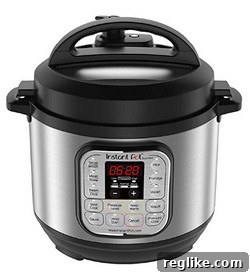 Every iconic brand has an origin story, and the Instant Pot is no exception. Its creation is a testament to ingenious problem-solving and a refreshingly analytical approach to entrepreneurship. At the heart of this story is Robert Wang, the brilliant inventor whose background in computer science proved to be a pivotal asset not just in engineering the device, but also in crafting its memorable name.
Wang’s motivation for creating the Instant Pot stemmed from a personal need: he wanted a faster, more convenient way to prepare healthy meals for his family. Frustrated by the complexities and time constraints of traditional cooking methods, he envisioned an appliance that could combine the functionalities of multiple kitchen tools into one user-friendly device. His vision materialized into the Instant Pot, a versatile multi-cooker capable of pressure cooking, slow cooking, rice cooking, sautéing, steaming, and more.
However, inventing a groundbreaking product is only half the battle; giving it a name that resonates with consumers and perfectly encapsulates its essence is equally crucial for market success. Robert Wang, leveraging his unique skill set, approached this critical branding task with an unconventional, yet highly effective, method. Rather than relying solely on traditional brainstorming sessions, he turned to the very discipline that shaped his career: computer science.
He tested recipes with his family and turned to computer science to come up with a name. After writing a program that matched synonyms for “fast” with synonyms for “cooker,” Wang arrived on Instant Pot. Luckily, the domain name was still available.
This snippet from the Ottawa Citizen perfectly captures the innovative spirit behind the Instant Pot’s naming. Wang developed a sophisticated program designed to generate combinations of words that convey speed and cooking functionality. By systematically matching synonyms for “fast” (such as rapid, quick, instant, express) with synonyms for “cooker” (like pot, machine, device, apparatus), the program explored a vast array of potential names. This analytical approach ensured a comprehensive evaluation of options, moving beyond subjective preferences to a more data-driven selection process.
The resulting name, “Instant Pot,” is a stroke of branding genius. It is concise, memorable, and directly communicates the product’s primary value proposition: speed and efficiency in cooking. The word “Instant” immediately evokes a sense of time-saving and convenience, while “Pot” clearly identifies its function in the kitchen. This perfect alignment between name and product functionality played a significant role in its rapid adoption and cultural phenomenon status. Furthermore, the fortunate availability of the corresponding domain name was a critical factor in establishing the brand’s digital presence and accessibility in the burgeoning e-commerce landscape.
The Strategic Importance of Product Naming in the Digital Age
Robert Wang’s approach to naming the Instant Pot highlights a crucial aspect of modern brand strategy: the blend of creativity and systematic analysis. In today’s competitive market, a product name must not only be appealing but also distinctive, easy to remember, pronounce, and spell. More importantly, in the digital era, its availability as a domain name and across social media platforms is paramount. “Instant Pot” checked all these boxes, demonstrating a foresight that contributed immensely to its market penetration and brand recognition.
A well-chosen name serves as the cornerstone of brand identity, communicating values, benefits, and differentiators. It builds recognition, fosters loyalty, and simplifies marketing efforts. Conversely, a poorly chosen name can lead to confusion, hinder market acceptance, and necessitate costly rebranding efforts. Wang’s algorithmic method minimized these risks by systematically evaluating options based on predefined criteria, showcasing how technological tools can be harnessed for creative business challenges.
The Amazon Effect: Powering Instant Pot’s Explosive Growth
The Instant Pot’s journey from a nascent invention to a household staple was significantly accelerated by a strategic partnership with Amazon. In an era dominated by e-commerce, Robert Wang astutely recognized the unparalleled reach and infrastructure that Amazon offered to direct-to-consumer brands. This alliance proved to be a game-changer, allowing Instant Brands to bypass traditional retail barriers and connect directly with a vast global customer base.
Amazon’s robust ecosystem provided several critical advantages. Firstly, its expansive online marketplace offered immediate access to millions of potential customers, eliminating the need for extensive physical retail distribution networks. This was particularly beneficial for a new product looking to quickly establish market presence without the overheads associated with brick-and-mortar stores. Secondly, Amazon’s Fulfillment by Amazon (FBA) service allowed Instant Brands to leverage Amazon’s world-class logistics, storage, and shipping capabilities. This meant Wang’s team could focus on product innovation and marketing, while Amazon handled the complexities of order fulfillment, customer service, and returns.
Furthermore, Amazon’s platform facilitated the organic growth of a vibrant Instant Pot community. Customer reviews, Q&A sections, and user-generated content became powerful marketing tools. Early adopters, enthused by the product’s convenience and versatility, shared recipes, tips, and testimonials, creating a powerful word-of-mouth marketing engine. These authentic endorsements played a crucial role in building trust and driving sales, transforming the Instant Pot from a niche gadget into a mainstream culinary essential.
Leveraging Digital Marketing and Community Building
The Instant Pot’s success on Amazon also highlights the potency of digital marketing strategies. The company effectively utilized Amazon’s advertising tools, participated in key sales events like Prime Day, and encouraged customer engagement. Prime Day, in particular, became a phenomenal sales driver for the Instant Pot, with the appliance consistently ranking as one of the top-selling items during these annual events. This amplified visibility and discounted pricing periods introduced the Instant Pot to millions of new users, sparking viral interest and cementing its status as a must-have kitchen gadget.
Beyond Amazon, Instant Pot’s success was amplified by its robust online community. Social media groups, blogs, and dedicated recipe websites sprang up, creating a self-sustaining ecosystem of content and support. This community-driven engagement not only fostered brand loyalty but also generated a continuous stream of user-generated content, further enhancing the product’s visibility and appeal across various digital channels. This organic growth, fueled by both Amazon’s platform and passionate users, allowed the Instant Pot to achieve unprecedented market penetration in a relatively short period.
The Instant Pot Phenomenon: Redefining Home Cooking
The impact of the Instant Pot extends far beyond its impressive sales figures and strategic partnerships. It fundamentally changed how millions of people approach home cooking. For busy professionals, parents, and culinary novices alike, the Instant Pot offered a solution to the perennial challenge of preparing healthy, delicious meals despite time constraints. Its multi-functionality simplified complex recipes, reducing cooking times and cleanup, thereby empowering more individuals to cook at home.
The Instant Pot helped to revitalize the popularity of pressure cooking, a method once perceived as intimidating or dangerous, by making it safe, simple, and accessible. It also spearheaded the multi-cooker trend, inspiring numerous competitors and solidifying its position as an innovator in kitchen technology. Its influence spurred a wave of cookbooks, online recipe blogs, and culinary experiments, all centered around the versatile capabilities of this single appliance.
The Future of Kitchenware: Merged Strengths and Continuous Innovation
The merger of Instant Brands Inc. with Corelle Brands LLC marks a new chapter in this remarkable story. By combining Instant Pot’s innovation and digital-first approach with Corelle’s heritage brands and established distribution channels, the newly formed entity is poised for even greater market dominance. This strategic alliance allows for cross-promotion, shared technological advancements, and a streamlined supply chain, creating a robust platform for future growth and product development.
The merged company can now offer a comprehensive suite of kitchen and dining solutions, catering to a wider range of consumer needs and preferences. From cutting-edge smart appliances to durable everyday dinnerware, the combined portfolio represents a powerful force in the home goods sector. This consolidation underscores a broader trend in the consumer goods industry towards building diversified powerhouses that can leverage economies of scale and synergistic brand strategies to navigate an increasingly competitive global market.
The Enduring Value of Brand Naming and Strategy
As the kitchenware industry continues to innovate, the lessons from the Instant Pot’s journey remain highly relevant. The importance of thoughtful product naming, a strong brand identity, and leveraging digital platforms for growth cannot be overstated. Robert Wang’s algorithmic approach to naming, followed by his strategic embrace of Amazon, laid the groundwork for a brand that defied expectations and captured the hearts (and kitchens) of consumers worldwide.
In fact, the upcoming episode of the DNW Podcast, which will feature an interview with a company and product namer, promises to delve deeper into these crucial topics, discussing various tools and strategies for creating new, impactful names. (Hat tip: Bill Sweetman) This ongoing conversation highlights that while technology and market dynamics evolve, the fundamental principles of effective branding—clear communication, distinctiveness, and resonance with the target audience—remain timeless drivers of success.
The Instant Pot saga, from a computer scientist’s clever naming program to a global culinary empire and now a key component of a merged housewares giant, serves as a compelling case study in modern entrepreneurship, innovation, and strategic market positioning. It demonstrates that with the right vision, a smart approach to branding, and effective partnerships, even the humblest of ideas can grow into a revolutionary force.