
A Nostalgic Look Back: GoTo.com and the Early Days of Pay-Per-Click Advertising
In a moment of mundane routine, I reached for a pen to jot down a note. As the ink sputtered and died, I instinctively tossed the pen into the wastebasket. However, a small logo imprinted on its side caught my attention, arresting its descent.
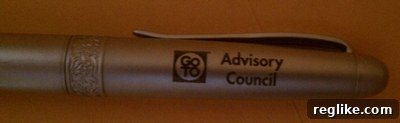
The pen, a memento from my time as a GoTo.com customer and participant in a new features review panel, served as a time capsule, instantly transporting me back to a bygone era of online advertising. This simple writing instrument, a relic from over a decade ago, triggered a wave of nostalgia for the formative years of pay-per-click (PPC) marketing.
The Simplicity of a Bygone Era
The memory of that pen evoked a simpler time, a time when the complexities of today’s digital advertising landscape were largely absent. It was an era where success in PPC campaigns hinged primarily on the bid price, a stark contrast to the intricate algorithms and multifaceted metrics that dominate the field today.
Imagine a world where click-through rates (CTR) and landing page quality scores played a minimal role in determining ad placement and performance. A world where your ability to outbid your competitors was the primary determinant of your advertising success. This was the reality of GoTo.com, the platform that would eventually evolve into Yahoo Search Marketing.
In those early days, the playing field felt more level, the rules more transparent. The focus was squarely on the bottom line: how much were you willing to pay for a click? The highest bidder won, plain and simple. While this approach lacked the sophistication of modern PPC, it possessed an undeniable charm, a directness that is often missing in today’s data-driven environment.
Transparency and Affordability: The Hallmarks of Early PPC
One of the most striking differences between GoTo.com and contemporary PPC platforms was the transparency of the bidding process. In a move that would be considered revolutionary today, GoTo.com displayed the bid amount directly next to each ad. This allowed users to instantly see how much each advertiser was paying for a particular keyword, providing valuable insights into the competitive landscape.
This level of transparency fostered a sense of fairness and accountability. Advertisers could readily assess the value of different keywords and adjust their bids accordingly. Consumers, too, could gain a better understanding of the economics behind online advertising.
Perhaps the most alluring aspect of GoTo.com was its affordability. In a world where clicks can cost upwards of several dollars, the idea of paying only a penny per click seems almost mythical. Yet, in the early days of PPC, this was a common occurrence. Advertisers could drive significant traffic to their websites for a fraction of the cost of today’s campaigns.
This affordability made PPC accessible to a wider range of businesses, including small businesses and startups that might otherwise have been priced out of the market. It fostered a spirit of experimentation and innovation, as advertisers could afford to take risks and test new strategies without breaking the bank.
The Trade-offs: A Less Mature Ecosystem
While the simplicity and affordability of GoTo.com are fondly remembered, it’s important to acknowledge the trade-offs that came with a less mature online advertising ecosystem. In the early days, concepts like domain parking and contextual advertising networks like Adsense were either non-existent or in their infancy.
This meant that domain owners and small web publishers had limited opportunities to monetize their online assets. The lack of robust advertising networks also made it more challenging for advertisers to reach a targeted audience, as they were largely reliant on keyword-based targeting.
The absence of sophisticated fraud detection mechanisms also posed a significant challenge. Click fraud, the practice of artificially inflating click counts for malicious purposes, was rampant, and advertisers often struggled to distinguish legitimate clicks from fraudulent ones.
The Evolution of Pay-Per-Click Advertising
The world of pay-per-click advertising has undergone a dramatic transformation since the days of GoTo.com. The rise of Google Ads (formerly Google AdWords) and other sophisticated platforms has ushered in an era of unprecedented complexity and sophistication.
Today’s PPC campaigns are driven by advanced algorithms that take into account a multitude of factors, including click-through rates, landing page quality scores, ad relevance, and user demographics. Advertisers have access to a vast array of targeting options, allowing them to reach highly specific audiences with tailored messages.
While this increased complexity has undoubtedly made PPC more effective, it has also made it more challenging for advertisers to navigate. The learning curve is steep, and success requires a deep understanding of the underlying algorithms and a commitment to continuous optimization.
The cost of PPC has also increased significantly over the years. As competition for keywords has intensified, the price of clicks has risen accordingly. This has made it more difficult for small businesses and startups to compete with larger, more established companies.
A More Complex, Yet More Powerful Landscape
Despite the increased complexity and cost, today’s PPC landscape offers undeniable advantages. The ability to target specific audiences with highly relevant ads has made advertising more efficient and effective.
The development of sophisticated fraud detection mechanisms has helped to mitigate the problem of click fraud, protecting advertisers from wasting their budgets on invalid clicks. The emergence of domain parking and contextual advertising networks has created new opportunities for domain owners and small web publishers to monetize their online assets.
In conclusion, while the simpler times of GoTo.com evoke a sense of nostalgia, there’s no denying that the evolution of pay-per-click advertising has led to a more powerful and effective marketing tool. The challenges and complexities of today’s PPC landscape are offset by the increased opportunities and potential for success.
The old GoTo.com pen serves as a reminder of how far online advertising has come, and a testament to the constant innovation that drives the digital world. While we may fondly remember the penny clicks and transparent bidding of the past, the future of PPC promises even more sophisticated targeting, personalized experiences, and measurable results.