
Foursquare’s Domain Name Renewal Mishap: A Lesson in Online Brand Protection
In the fast-paced world of social media and online networking, maintaining a strong and consistent online presence is paramount. A seemingly small oversight, such as forgetting to renew a domain name, can have significant repercussions for a company’s brand reputation and website accessibility. This article delves into a notable incident involving Foursquare, a popular location-based social networking company, and the valuable lessons that can be learned from their domain name renewal mishap.
The incident unfolded when Foursquare publicly acknowledged on Twitter that they had failed to renew their domain name. This admission demonstrated a level of transparency and accountability that is often lacking in similar situations. While the exact cause of the lapse remains somewhat unclear, the tweet suggested that an outdated credit card on file with their domain name registrar, GoDaddy, may have been a contributing factor. Another potential explanation could have been an issue with the email address associated with their domain registration information (WHOIS), specifically [email protected], rendering renewal notifications undeliverable.
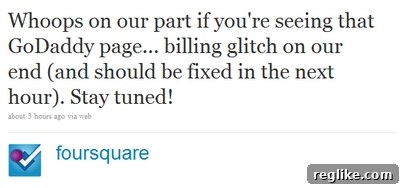
The Foursquare situation stands in stark contrast to how other companies have handled similar domain name expiration incidents. For instance, when CrashPlan experienced a domain name expiration issue, they initially placed blame on GoDaddy. This approach, while perhaps understandable in the heat of the moment, ultimately proved to be less constructive and contributed to the spread of misinformation. It’s crucial to remember that forgetting to renew a domain name is a relatively common occurrence and is often the underlying cause of website outages, even for major organizations.
Fortunately for Foursquare, the consequences of their lapse were minimal, and they quickly rectified the situation by renewing their domain name for an extended period, securing their online presence until March 25, 2030. This proactive measure demonstrates the importance of long-term planning and diligent domain name management.
Key Takeaways and Best Practices for Domain Name Management
The Foursquare incident serves as a valuable reminder of the importance of proactive domain name management. Here are some key takeaways and best practices to help prevent similar situations from occurring:
- Maintain Accurate and Up-to-Date Contact Information: Ensure that the email address and phone number associated with your domain name registration are current and actively monitored. This will allow you to receive timely renewal notifications and other important communications from your domain name registrar. Consider using a dedicated email address for domain management to avoid missing critical alerts amidst the daily influx of emails.
- Keep Payment Information Current: Regularly update your credit card or payment information on file with your domain name registrar. Expired or invalid payment details are a common cause of failed domain name renewals. Set a reminder to review and update your payment information at least annually.
- Enable Auto-Renewal: Most domain name registrars offer an auto-renewal option, which automatically renews your domain name before it expires. This is a simple yet effective way to prevent accidental expiration due to oversight. While auto-renewal provides a safety net, it’s still crucial to monitor your domain status and renewal confirmations.
- Set Multiple Reminders: Don’t rely solely on the renewal notifications from your domain name registrar. Set up your own reminders in your calendar or task management system, well in advance of the expiration date. Consider setting reminders at 90 days, 60 days, and 30 days before expiration.
- Consider Long-Term Registration: Register your domain name for multiple years, rather than renewing it annually. This not only reduces the frequency of renewal tasks but also provides a longer-term sense of security. Many registrars offer discounts for multi-year registrations.
- Use a Reputable Domain Name Registrar: Choose a reputable and reliable domain name registrar with a proven track record. Look for registrars that offer robust domain management tools, excellent customer support, and competitive pricing.
- Monitor Your Domain Name Status: Regularly check the status of your domain name using WHOIS lookup tools. This will allow you to verify the registration details, expiration date, and contact information. There are also domain monitoring services that can automatically alert you to any changes or potential issues with your domain.
- Implement a Domain Management Policy: For larger organizations, it’s essential to establish a formal domain management policy that outlines the responsibilities and procedures for domain name registration, renewal, and maintenance. This policy should be clearly communicated to all relevant personnel.
- Consider Domain Privacy Protection: Domain privacy protection services mask your personal contact information in the WHOIS database, protecting you from spam, solicitations, and potential identity theft. This is particularly important for individuals and small businesses.
- Regularly Back Up Your Website: While domain name renewal issues primarily affect website accessibility, it’s always a good practice to regularly back up your website files and databases. This will ensure that you can quickly restore your website in the event of any unforeseen issues.
The Broader Implications of Domain Name Expiration
Beyond the immediate inconvenience of website downtime, domain name expiration can have several broader implications for a business, including:
- Damage to Brand Reputation: A website outage due to domain name expiration can damage a company’s reputation and erode customer trust. Customers may perceive the outage as a sign of negligence or instability, leading them to question the reliability of the business.
- Loss of Revenue: For businesses that rely on online sales or lead generation, website downtime can result in significant revenue losses. Every minute of downtime represents lost opportunities and potential customers who may turn to competitors.
- Search Engine Ranking Penalties: Search engines like Google may penalize websites that experience frequent or prolonged downtime, leading to lower search engine rankings and reduced organic traffic.
- Security Risks: Expired domain names can be vulnerable to hijacking, where malicious actors register the expired domain and use it for phishing attacks, malware distribution, or other nefarious purposes.
- Legal Issues: In some cases, domain name expiration can lead to legal disputes, particularly if the domain name is a trademark or brand identifier. Competitors may attempt to register the expired domain name to capitalize on the brand’s reputation.
Conclusion: Protecting Your Online Presence
The Foursquare domain name renewal incident serves as a cautionary tale and underscores the critical importance of proactive domain name management. By implementing the best practices outlined in this article, businesses and individuals can minimize the risk of domain name expiration and protect their online presence from potential disruptions. In today’s digital landscape, a strong and reliable online presence is essential for success, and diligent domain name management is a fundamental aspect of that strategy. Don’t let a simple oversight compromise your brand reputation, revenue, and online security. Take control of your domain names and ensure their continuous renewal to safeguard your digital future.