
The Domain Parking Apocalypse: Google’s Latest Blow and What It Means for You
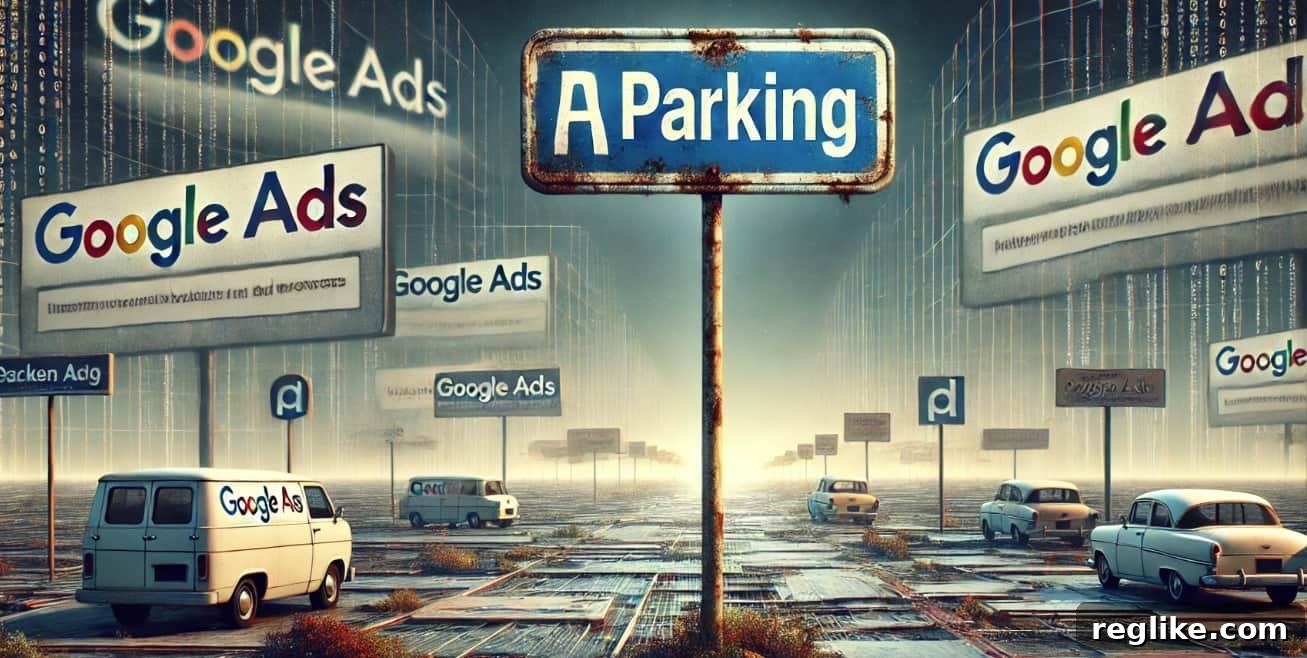
The domain industry is facing turbulent times, and the latest news from Google has sent shockwaves throughout the community. In a move that could significantly reshape the landscape of domain monetization, Google has implemented a policy change that directly impacts domain parking.
Back in September 2024, Google initially announced that new Google Ads accounts would be automatically opted out of serving ads on parked domains. This was already a concerning development, as it meant that the potential for growth in ad revenue from parked domains would be severely limited. Over time, the number of advertisers willing to display ads on parked domains was projected to dwindle, leading to a suppression of ad prices and reduced revenue for domain owners.
Unfortunately, the situation has now taken a turn for the worse. Google is now taking a much more aggressive approach by opting ALL Google Ads accounts out of domain parking. This means that advertisers will now have to explicitly opt-in if they want their ads to appear on parked pages. This fundamental shift in policy is expected to have a profound impact on the domain parking industry, potentially leading to a significant decline in revenue for domain owners and companies that rely on domain parking for their business models.
While Google had previously notified users about the initial policy change in September, the latest announcement appears to be rolling out gradually. According to reports, Google is opting out accounts over a series of time. A user on NamePros, a popular domain forum, shared the email they received from Google, confirming the policy change and its implications.
The implications of this change are far-reaching. It is highly unlikely that many advertisers will actively choose to opt-in to display ads on parked domains. This is because parked domains are often perceived as low-quality traffic sources, and advertisers are typically more interested in targeting specific audiences and keywords. As a result, the ad inventory available on parked domains is expected to plummet drastically, leading to a sharp decline in revenue for domain owners who rely on parking as a monetization strategy.
Interestingly, this represents a complete reversal of Google’s previous stance. In the past, Google actually required all advertisers to show ads on parked domains until allowing them to opt-out in 2008. This earlier policy provided a significant boost to the domain parking industry, as it ensured a steady stream of ad revenue for domain owners. However, with the latest policy change, Google is effectively turning off the tap, leaving many domain owners struggling to find alternative monetization methods.
As I discussed in my 2024 year-end review series, domain parking continues to be a significant pillar of the domain industry. Many companies, including Team Internet Group (London AIM: TIG), which operates a substantial arbitrage and parking business, are expected to be severely affected by this change. Sedo, a leading domain marketplace, is also likely to experience a considerable impact, as domain parking is an important component of its overall business model.
The consequences of Google’s policy change extend beyond those who directly engage in domain parking. Even those who don’t use ad landers for their domains will feel the effects. Domain registrars, who often rely on parking ads on “coming soon” pages to generate a small profit margin, will face increased financial pressure. This could ultimately lead to higher registration prices for all domain owners, as registrars seek to offset the loss of revenue from parking ads.
Understanding Domain Parking and Its Importance
Domain parking is a practice where domain owners display advertisements on their domains while they are not actively being used for a website or other purpose. The revenue generated from these ads is then shared between the domain owner and the parking provider. For many years, domain parking has been a popular way for domain owners to generate income from their unused domains. It has also provided a valuable source of revenue for companies that specialize in domain monetization.
Domain parking has served several critical functions within the domain ecosystem. It allows domain owners to offset the costs of owning domains, potentially making domain investing more accessible and sustainable. It also provides a way to generate revenue from domains that are in development or awaiting a specific project. Furthermore, domain parking has been used as a tool for testing the market value of a domain, as the ad revenue generated can provide insights into the domain’s potential traffic and relevance.
The Impact on Domain Investors and Businesses
Google’s policy change is poised to have a wide-ranging impact on domain investors and businesses operating within the domain industry. The most immediate effect will be a reduction in revenue for domain owners who rely on parking as their primary monetization strategy. This decline in income could force some domain investors to sell their domains or seek alternative monetization methods.
Companies that provide domain parking services are also facing a significant challenge. They will need to adapt their business models to the new reality and find ways to provide value to domain owners beyond simply displaying ads. This may involve offering alternative monetization options, such as domain leasing, lead generation, or developing content-rich websites on parked domains.
The change could also lead to a consolidation within the domain parking industry, as smaller players struggle to compete in the new environment. Larger companies with more resources and a wider range of services may be better positioned to weather the storm and adapt to the changing market conditions.
Alternative Monetization Strategies for Domain Owners
While Google’s policy change presents a significant challenge to the domain parking industry, it also creates opportunities for innovation and the development of new monetization strategies. Domain owners need to explore alternative ways to generate revenue from their domains and move beyond the traditional model of displaying ads on parked pages.
One promising alternative is domain leasing, where domain owners rent out their domains to businesses or individuals who want to use them for a specific period. This can provide a steady stream of income and allow domain owners to retain ownership of their domains. Domain leasing can be particularly attractive for domains that are relevant to specific industries or niches.
Another option is to develop content-rich websites on parked domains. By creating valuable content that attracts visitors, domain owners can generate revenue through advertising, affiliate marketing, or selling products and services. This approach requires more effort and investment than traditional domain parking, but it can also yield significantly higher returns.
Lead generation is another potential monetization strategy. Domain owners can use their domains to collect leads for businesses in relevant industries. This can be done by creating landing pages that offer valuable information or resources in exchange for contact information. The leads can then be sold to businesses that are looking to expand their customer base.
Finally, domain owners can consider selling their domains outright. While this means relinquishing ownership of the domain, it can provide a significant upfront payment. Domain names with strong branding potential or relevance to growing industries can fetch high prices on the domain aftermarket.
The Future of the Domain Industry
Google’s policy change represents a significant turning point for the domain parking industry and the broader domain ecosystem. While the immediate impact may be negative, it also presents an opportunity for innovation and the development of new business models. The domain industry has always been dynamic and adaptable, and it is likely to evolve and thrive in the face of these challenges.
The future of the domain industry will likely be characterized by a greater emphasis on quality content, targeted marketing, and creative monetization strategies. Domain owners who are willing to adapt and embrace new approaches will be best positioned to succeed in the long run.
While the era of easy revenue from domain parking may be coming to an end, the value of domain names remains strong. Domain names are essential for establishing an online presence, building a brand, and attracting customers. As the internet continues to grow and evolve, the demand for valuable domain names is likely to remain high. The challenge for domain owners is to find new and innovative ways to unlock the potential of their domains and generate revenue in a changing market.