
Understanding the New IRS 1099-K Thresholds: What Domain Sellers Need to Know
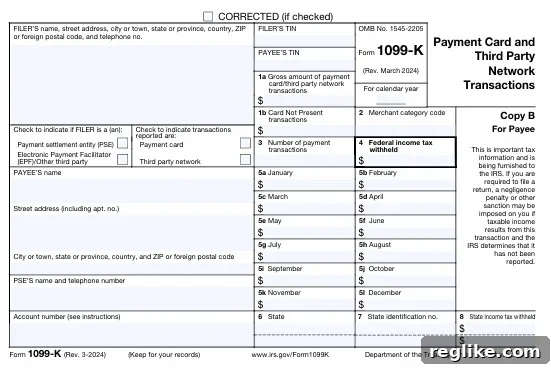
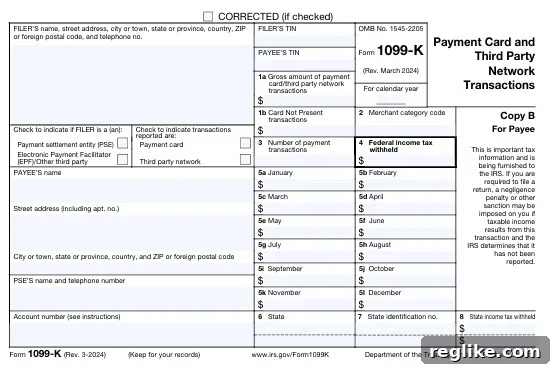
Navigating the complexities of tax regulations can be a daunting task, especially for domain sellers. The IRS Form 1099-K, which reports payment card and third-party network transactions, has been a source of confusion and anxiety for many in the domain industry. Recent changes to the reporting thresholds, thanks to the One Big Beautiful Bill Act of 2025, offer some relief but also require a clear understanding of the new rules.
The 1099-K Form: A Source of Headaches for Domain Sellers
Last year, Afternic, a prominent domain marketplace, inadvertently caused considerable confusion when it issued 1099-K forms to its users. This was the first year that a significantly lowered threshold for sending these forms was in effect. Under the previous regulations, anyone who generated $5,000 or more in gross domain sales, regardless of the number of individual transactions, received a 1099-K.
The initial rollout of these forms was problematic. Afternic initially only reported the net amount of sales, after deducting commissions. This created complications for sellers who needed to report the gross amount of sales as revenue and then deduct commissions as an expense. Corrected forms, reflecting the gross sales amount, were eventually issued, but not until after the March 15 corporate tax deadline, adding to the stress and confusion.
This delay forced many individuals to amend their tax returns to accurately reflect their domain sales income. The situation was further complicated by the fact that many sellers received payments via PayPal and received separate 1099-K forms from both Afternic and PayPal, effectively double-counting their income. This led to considerable frustration and a need for clarification from tax professionals.
The One Big Beautiful Bill Act of 2025: Relief for Many Domain Sellers
Fortunately, the One Big Beautiful Bill Act of 2025 has brought about changes that will significantly reduce the number of domain sellers required to receive a 1099-K. The new legislation raises the threshold for receiving a 1099-K form to $20,000 in gross payments and at least 200 transactions. This represents a substantial increase compared to the previous threshold and will likely exempt a large portion of domain sellers from receiving these forms.
This change is a welcome relief for many in the domain industry, particularly those who sell a smaller number of domains or whose individual sales amounts are relatively low. The higher threshold means that only those who engage in a significant volume of domain sales will be required to report these transactions through the 1099-K form.
It’s important to note that the legislation does not explicitly clarify how lease-to-own payments are handled in the transaction count. Domain sellers utilizing lease-to-own arrangements should consult with a tax professional to ensure accurate reporting and compliance with the new regulations.
State-Specific Regulations: Illinois and New Jersey
While the federal threshold has increased, it’s crucial to be aware of state-specific regulations. Some states, including Illinois and New Jersey, have lower thresholds for issuing 1099-K forms. This means that residents of these states may still receive a 1099-K for state tax purposes, even if they don’t meet the federal requirements. Domain sellers residing in these states should consult with their state’s tax authorities or a qualified tax professional to understand their specific reporting obligations.
The PayPal Conundrum: Double Reporting Potential Remains
Despite the changes to the federal threshold, the potential for double reporting through PayPal remains a concern. Individuals who receive payments via PayPal from Afternic may still receive separate 1099-K forms from both entities if they meet the respective thresholds. This can lead to confusion and the need for careful reconciliation of income to avoid overreporting.
To mitigate this issue, domain sellers should maintain accurate records of all transactions, including payments received through PayPal. It’s essential to clearly document the source of each payment and reconcile the amounts reported on the 1099-K forms from Afternic and PayPal. Consulting with a tax professional is highly recommended to ensure accurate reporting and avoid potential errors.
Key Takeaways for Domain Sellers: Navigating the 1099-K Landscape
The changes to the IRS 1099-K reporting thresholds represent a significant shift in the tax landscape for domain sellers. To navigate these changes effectively, it’s essential to understand the new rules and their implications. Here’s a summary of the key takeaways:
- Federal Threshold Increase: The threshold for receiving a 1099-K form has increased to $20,000 in gross payments and at least 200 transactions.
- State-Specific Regulations: Be aware of state-specific regulations, as some states have lower thresholds for issuing 1099-K forms.
- PayPal Reporting: The potential for double reporting through PayPal remains a concern. Maintain accurate records and reconcile income carefully.
- Lease-to-Own Transactions: The handling of lease-to-own payments in the transaction count is not explicitly clarified. Consult with a tax professional for guidance.
- Accurate Record Keeping: Maintain meticulous records of all domain sales transactions, including dates, amounts, and payment methods.
- Professional Consultation: Seek guidance from a qualified tax professional to ensure compliance with all applicable tax regulations.
Resources for Further Information
For more detailed information on Afternic’s 1099-K process and a list of states that trigger 1099-K reporting, you can visit GoDaddy’s Help Center. This resource provides valuable insights and guidance for domain sellers navigating the complexities of tax reporting.
Staying Informed: The Key to Tax Compliance
The world of tax regulations is constantly evolving. Staying informed about the latest changes and updates is crucial for domain sellers to ensure compliance and avoid potential penalties. Regularly consult with a tax professional, monitor industry news and updates, and leverage available resources to stay ahead of the curve. By proactively managing your tax obligations, you can focus on growing your domain business with confidence.
In conclusion, while the One Big Beautiful Bill Act of 2025 provides some relief for many domain sellers regarding the 1099-K form, understanding the nuances of the new regulations, state-specific requirements, and potential reporting complexities remains essential. Proactive planning, accurate record-keeping, and professional guidance are the keys to navigating the tax landscape successfully.