
Unveiling Domain History: A Comparative Analysis of Archive.org and DomainTools
In the digital age, understanding the history of a domain name is crucial before making a purchase or building a brand. Two prominent tools, Archive.org (Wayback Machine) and DomainTools, offer unique approaches to website archiving and historical data retrieval. This article delves into a comprehensive comparison of these services, highlighting their strengths, weaknesses, and optimal use cases for thorough domain investigation.
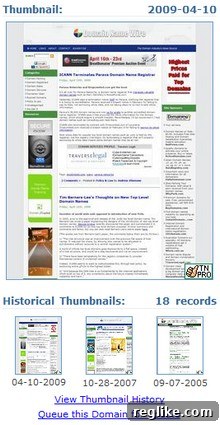
DomainTools Historical Thumbnails provide a quick visual snapshot of a website’s past.
The Importance of Domain History
Before investing in a domain name, it’s essential to investigate its prior usage. A domain might have a history of spam, trademark infringement, or association with undesirable content. Such a past can negatively impact your website’s search engine ranking, brand reputation, and overall success. Investigating domain history helps you make informed decisions and avoid potential pitfalls.
This article explores how to effectively leverage both Archive.org and DomainTools to uncover a domain’s past. By understanding the nuances of each service, you can build a robust domain investigation strategy that minimizes risks and maximizes opportunities.
Archive.org (Wayback Machine): A Deep Dive into the Past
Archive.org, also known as the Wayback Machine, is a non-profit digital library that archives websites at various points in time. It functions as a vast repository of web content, allowing users to access historical versions of websites. This capability is invaluable for understanding how a domain has been used over the years.
Strengths of Archive.org:
- Comprehensive Archiving: Archive.org captures entire websites, including text, images, and code. This allows for a detailed examination of a site’s content and structure over time.
- Extensive Coverage: Archive.org boasts an extensive archive, covering millions of websites across the internet.
- Free Access: The Wayback Machine is a free service, making it accessible to anyone interested in exploring website history.
- Deep Content Inspection: You can navigate through archived versions of a website, exploring individual pages and content elements.
Limitations of Archive.org:
- Speed and Performance: Retrieving archived websites can be slow, particularly for complex or media-rich sites.
- Archiving Lag: There’s often a delay between a website’s current state and its most recent archived version, potentially missing recent changes.
- Incomplete Archives: Not all websites are fully archived. Website owners can block Archive.org from crawling their sites using Robots.txt. Furthermore, some content, such as dynamic elements or databases, may not be captured accurately.
- Not Always Reliable: Rendering issues can occur, where archived pages don’t display correctly due to changes in web technologies or missing resources.
DomainTools: A Focus on Visual Snapshots and Frequent Updates
DomainTools offers a suite of domain research tools, including historical website thumbnails. Unlike Archive.org, DomainTools primarily focuses on capturing visual snapshots of website homepages over time. This approach provides a quick and efficient way to identify significant changes in a domain’s usage.
Strengths of DomainTools:
- Frequent Captures: DomainTools captures website thumbnails more frequently than Archive.org, offering a more up-to-date view of domain history. Users can often request a specific update.
- Visual Overview: Thumbnails provide a quick and easy way to identify major changes in a website’s design and content.
- Ease of Use: The thumbnail interface is intuitive and user-friendly, allowing for efficient browsing of historical snapshots.
- Complementary Data: DomainTools offers additional domain research tools, such as WHOIS records and domain name server information, which can provide valuable context for your investigation.
Limitations of DomainTools:
- Limited Scope: DomainTools primarily captures homepage thumbnails, not the entire website. This may not provide a complete picture of a domain’s usage.
- Subscription Required: Access to historical thumbnails requires a paid subscription (Gold membership or higher).
- Graphical Representation: Thumbnails are images, not HTML, meaning you cannot copy text or interact with elements on the page.
Comparing Archive.org and DomainTools: A Side-by-Side Analysis
Here’s a table summarizing the key differences between Archive.org and DomainTools:
| Feature | Archive.org (Wayback Machine) | DomainTools |
|---|---|---|
| Archiving Approach | Captures entire websites | Captures homepage thumbnails |
| Content Coverage | Comprehensive, including text, images, and code | Limited to visual snapshots |
| Update Frequency | Less frequent, often with a delay | More frequent, with user-requested updates |
| Access | Free | Subscription required (Gold membership) |
| Speed | Can be slow, especially for complex sites | Faster, due to smaller snapshots |
| Navigation | Allows navigation through archived website | Presents a series of thumbnails |
Leveraging Both Tools for Comprehensive Domain Investigation
The most effective approach to domain investigation involves using both Archive.org and DomainTools in conjunction. Here’s a suggested workflow:
- Start with DomainTools: Use DomainTools to get a quick overview of the domain’s homepage history. Identify any significant changes or red flags.
- Investigate Further with Archive.org: If you find anything suspicious in DomainTools, delve deeper into Archive.org to explore the archived website content in detail.
- Analyze WHOIS Records: Examine WHOIS records to identify the domain owner and any changes in ownership over time.
- Check for Legal Issues: Search for any UDRP (Uniform Domain Name Dispute Resolution Policy) cases involving the domain.
- Assess SEO Impact: Investigate whether the domain has been associated with any black hat SEO tactics or penalized by search engines.
The Robots.txt Dilemma and Prior Use
Both Archive.org and DomainTools respect the Robots.txt file, which allows website owners to prevent their sites from being crawled and archived. However, in UDRP cases, complainants often argue that respondents who block Archive.org are attempting to hide malicious prior use of the domain. While blocking archiving doesn’t automatically imply wrongdoing, it can raise suspicion and prompt further investigation.
Conclusion: Informed Domain Decisions
Neither Archive.org nor DomainTools is inherently “better” than the other. They offer complementary approaches to website archiving and domain history research. By understanding the strengths and limitations of each tool, you can develop a comprehensive strategy for investigating domain names before making a purchase. Remember to combine visual overviews with in-depth content analysis, analyze WHOIS records, and investigate potential legal issues. This thorough approach will help you make informed decisions and avoid potential risks associated with domain ownership. Thorough due diligence involving these tools is key to protecting your brand and investment in the digital landscape. Always prioritize a comprehensive approach to ensure a clear understanding of a domain’s past before integrating it into your business strategy.