Chinese registrars are very active in fresh top level domains
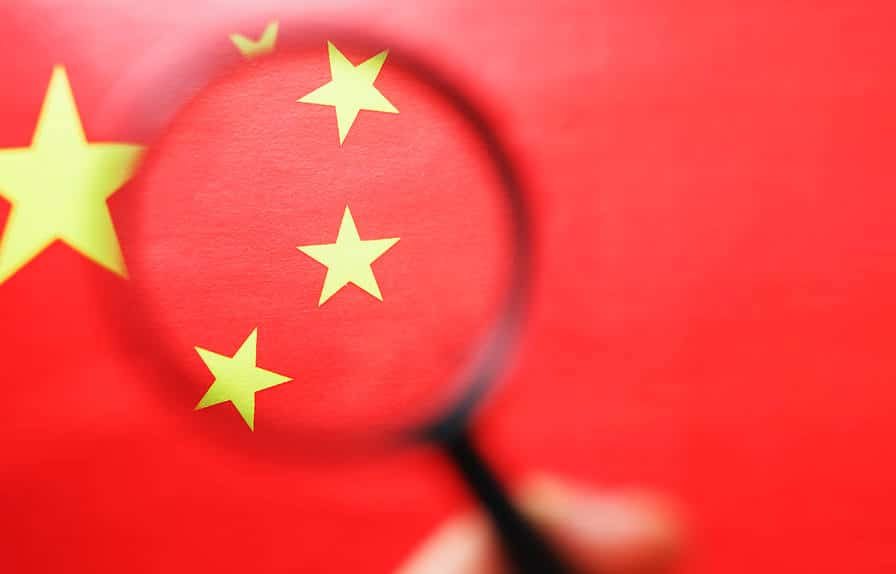
Kassey Lee analyzes how Chinese registrars account for a sizable portion of fresh top level domain registrations.
Fresh top level domain names, such as .best, .rich, and .guru, began rolling out at the end of 2013.
As stated by nTLDstats.com, there are regarding 34 million fresh top level domains registered across 1,187 fresh extensions at 372 registrars. The site also displays a list of the 372 registrars and their market shares. For our study, I have selected the top 10 registrars, as shown below.
| Rank | Registrar | Domains | Share |
|---|---|---|---|
| 1 | Alibaba | 5,426,279 | 15.90% |
| 2 | GoDaddy | 3,253,218 | 9.53% |
| 3 | NameCheap | 2,827,229 | 8.28% |
| 4 | West263 | 2,742,342 | 8.04% |
| 5 | GMO | 2,150,271 | 6.30% |
| 6 | West.cn | 1,839,191 | 5.39% |
| 7 | Eranet | 1,717,788 | 5.03% |
| 8 | WebNic.cc | 1,435,744 | 4.21% |
| 9 | NameSilo | 800,547 | 2.35% |
| 10 | CentralNic | 767,804 | 2.25% |
Since West263 also belongs to West.cn, essentially two Chinese registrars — Alibaba and West.cn — together capture regarding 29% of the fresh extensions. Chinese domain investors have been active since the early launches of fresh extensions. This might have been since there was a feeling that they were late to the .com game, so they hoped to lead in the fresh frontier of the domain space. Fresh top level domain registries also pitched fresh TLDs as an investment in China and often offered low-priced registrations in the region.
While it is still debatable whether the fresh extensions are a success or not, there have been some great sales. In 2019, for example, Free.games was sold for $335,000, ZB.app for $91,000, and Business.club for $60,936. You can find more sales data at Namebio.
As years go by, it is becoming difficult to justify still calling these extensions “fresh.” Unfortunately, so far, there is no consensus on what to call them, so they’ll remain to be called “fresh” extensions.