
Global Branding and Domain Investing: Insights from the Genki Forest Phenomenon
In today’s interconnected global economy, the strategic value of a domain name extends far beyond local borders. Companies, whether emerging startups or established giants, increasingly recognize that their digital identity must resonate with diverse international audiences. This understanding is critical for domain investors, as it underscores why marketing your domains worldwide isn’t just an option, but a necessity.
The concept of “foreign branding” offers a fascinating lens through which to view this global interplay. My first encounter with this phenomenon was during my time living in Japan, where I consistently saw advertisements for a clothing line called “Cécile.” Its distinctly French-sounding name led me to believe it was an elegant European brand. To my surprise, Cécile turned out to be a prominent Japanese company. This revelation highlighted how a brand’s name, language, and perceived origin can significantly influence consumer perception, shaping everything from quality assumptions to aspirational appeal.
This powerful branding strategy is not unique to Japan; it’s a prevalent and highly effective tactic across various markets, notably in China. The implications for those investing in domain names are profound, as understanding these cultural and marketing trends can unlock significant value for digital assets.
The Rise of Genki Forest: A Masterclass in Foreign Branding
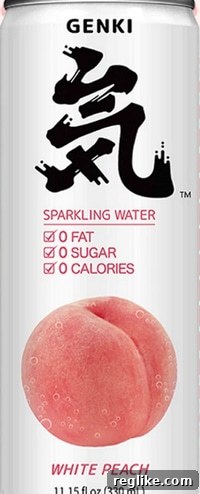
A compelling recent example of successful foreign branding comes from China, where a beverage startup named Genki Forest has rapidly ascended to become a multi-billion-dollar enterprise. TechCrunch reported its astonishing growth, transforming into a $6 billion beverage giant within just five to six years. What makes this story particularly relevant for domain investors is the company’s strategic use of a Japanese-sounding name and imagery.
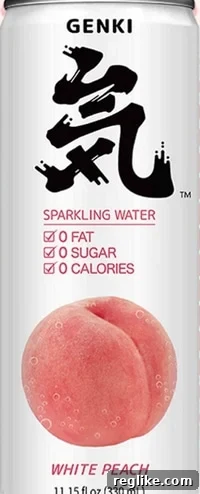
Despite being a Beijing-based company, Genki Forest has meticulously cultivated the image of a Japanese brand. This includes the prominent use of Japanese characters (Kanji) and a brand name that evokes Japanese origins. It’s important to note that “Genki” (元気), meaning “healthy” or “energetic” in Japanese, is represented in Romaji, not Pinyin, further reinforcing its Japanese identity. This deliberate choice taps into a specific consumer psychology: Chinese consumers often associate Japanese products with “good quality and good performance,” a perception validated by extensive Dentsu research. By leveraging this positive brand association, Genki Forest successfully differentiated itself in a crowded market, quickly capturing consumer trust and loyalty.
This strategy underscores a vital lesson: the perceived origin of a brand can be as influential as its actual origin. For domain investors, this means that a domain name with a particular linguistic or cultural flair could hold immense appeal to companies looking to implement a foreign branding strategy, regardless of their geographical location. Identifying such trends and acquiring domains that align with them can significantly boost their market value.
A Dual Domain Strategy: Domestic vs. Global Brand Identity
Genki Forest’s approach to its digital presence further illustrates the complexities and strategic considerations in international branding, offering invaluable lessons for domain investors. The company operates with a dual domain strategy, catering to its domestic and international markets distinctly.
Domestic Market: Yuan Qi Sen Lin
For its primary market within China, the company uses the brand name Yuan Qi Sen Lin (元气森林). Their domestic operations are anchored by the brand-matching domain, YuanQiSenLin.com. This choice highlights a common but critical practice among Chinese companies: despite the availability of country-code top-level domains (ccTLDs) like .cn, many prioritize and primarily use a .com address for their main web presence. Whois records confirm the company also owns YuanQiSenLin.cn, but it typically does not resolve, reinforcing the widespread preference for .com as the default and most trusted domain extension globally.
The domain YuanQiSenLin.com is quite lengthy, which can sometimes pose challenges for memorability and easy typing. This often leads companies to consider shorter, more concise alternatives. There’s a strong possibility that Genki Forest might eventually seek to upgrade to a shorter, more memorable domain like YQSL.com (currently listed for sale) or even YQSL.cn (which does not currently resolve). For domain investors, this signals the enduring value of short, acronym-based domains, especially those that align with a brand’s potential future abbreviation. These types of domains can command premium prices when an expanding company eventually seeks to streamline its brand identity.
International Market: Genki Forest and the Domain Puzzle
Globally, the company is known as Genki Forest, but its international brand resides on DrinkGenki.com. This specific choice presents an interesting puzzle for domain investors. Reports from Baidu indicate that Genki Forest reportedly acquired the exact brand-matching domain, GenkiForest.com, in 2018 for a high five-figure yuan sum (estimated to be between $10,000 and $14,000 USD). They also secured GenkiForest.com.cn and GenkiForest.cn around the same time.
The decision to use DrinkGenki.com as their primary global portal, despite owning the more direct GenkiForest.com, invites speculation. It could be a strategic move towards a shorter, more category-specific brand identity, emphasizing the “drink” aspect of their product line. Alternatively, it might indicate a planned future rebranding to simply “Genki” internationally, or perhaps it’s a temporary measure while they develop a more comprehensive global domain strategy. Regardless of the reason, this scenario highlights that even well-funded companies make complex domain choices, often driven by long-term branding goals, marketing campaigns, or even internal preferences. For domainers, this demonstrates that exact-match domains, while highly valuable, are not always the *only* choice for a company, and understanding these nuances can help predict future domain needs.
The Future Landscape: Shortening Brands and Premium Domain Value
Given the company’s apparent preference for shorter domains and the “DrinkGenki.com” hint, it’s plausible that Genki Forest might consider rebranding to the even more concise “Yuan Qi” or “Genki” in the future, both domestically and internationally. Such a move would be a powerful step towards simplifying their brand identity, making it more globally accessible and memorable.
If such a rebranding occurs, the Japanese domain Genki.com, which is currently parked, could become an incredibly valuable target. A premium, one-word, generic-sounding domain like Genki.com holds immense brand power and universal appeal. Its acquisition by a rapidly expanding global company like Genki Forest, likely for a substantial sum, would underscore the enduring value of such digital assets. This potential transaction perfectly illustrates how a domain initially registered with no specific end-user in mind could ultimately end up as a cornerstone of a multi-billion-dollar brand’s global presence, potentially being acquired by a company located anywhere in the world.
Strategic Implications for Global Domain Investors
The Genki Forest saga provides a compelling narrative for every domain investor: the buyer of your domain may come from any country, speaking any language, driven by diverse cultural and branding strategies. This international reality necessitates a globally-minded approach to domain investing and marketing. Here are key takeaways for maximizing your domain portfolio’s potential:
- Embrace Global Marketplaces: Your domains need exposure on platforms with international reach. Listing your assets on global retail outlets ensures that potential buyers from China, Japan, Europe, the Americas, and beyond can discover and acquire them. Limiting your marketing to regional platforms severely curtails your pool of interested buyers.
- Understand Cross-Cultural Branding: Pay close attention to trends like foreign branding. Domains that evoke a sense of quality, luxury, or aspiration in a different culture can be highly valuable. This includes domains with Romaji (Japanese transliterations) or Pinyin (Chinese transliterations), as companies might leverage these for specific market positioning.
- Value of Language-Agnostic and Brandable Domains: Short, memorable, and pronounceable domains that transcend specific languages often hold universal appeal. Generic .coms, premium brandables, or short acronyms (like YQSL.com) are always in demand because they offer flexibility for any company, anywhere, to build a brand around them.
- Monitor Global Startup Ecosystems: Keep an eye on fast-growing startups in emerging markets, as these companies often grow quickly and eventually seek premium domains to solidify their brand identity. Their initial domain choices might be functional, but rapid expansion often leads to upgrading to more powerful, brand-matching domains.
- Recognize the Premium for Exact-Match Brand Domains: While companies may use interim or descriptive domains (like DrinkGenki.com), the ultimate goal for a major brand is often the exact-match .com (e.g., GenkiForest.com or Genki.com). These domains command top dollar, and astute investors can profit by identifying and holding onto them.
- Diversity in Your Portfolio: A diverse domain portfolio, encompassing various lengths, themes, and potential cultural appeals, can mitigate risk and increase opportunities for global sales. Don’t limit yourself to only English-based terms; explore brandable domains that could appeal to multiple linguistic backgrounds.
Conclusion
The journey of Genki Forest from a Chinese startup to a multi-billion-dollar beverage giant, powered by a shrewd foreign branding strategy and a complex domain portfolio, offers profound insights into the dynamics of the global digital economy. It serves as a powerful reminder that the market for domain names is truly international, driven by strategic branding decisions made by companies across continents. For domain investors, the lesson is clear: your digital assets possess global value. By understanding international branding trends, anticipating future corporate domain needs, and actively marketing your domains on global platforms, you significantly increase your chances of connecting with the right buyer, no matter where they are located. The world is your marketplace, and a globally-focused strategy is paramount for success in domain investing.