
Ethereum Name Service (ENS) Director Fired Over Resurfaced Controversial Tweets: A Deep Dive into Web3 Governance and Values
In a significant development that has sent ripples across the decentralized web (Web3) community, the Ethereum Name Service (ENS) organization has terminated its Director of Operations, Brantly Millegan. The decision came in the wake of a 2016 tweet resurfacing, which contained highly contentious remarks on various social issues. This event underscores the complex interplay between personal beliefs, public roles, and community values within the burgeoning world of decentralized technologies.
Brantly Millegan, often recognized as a public face of the Ethereum Name Service, frequently represented the organization at industry events and contributed to various discussions, including a notable appearance as a guest on the Domain Name Wire Podcast. His visible role made him a prominent figure for a project at the forefront of building a more accessible and user-friendly decentralized internet.
Understanding Ethereum Name Service (ENS) and its Significance
Before delving deeper into the controversy, it’s crucial to understand what the Ethereum Name Service is and why it holds such importance in the Web3 ecosystem. ENS is a distributed, open, and extensible naming system built on the Ethereum blockchain. Its primary function is to translate human-readable names, such as “yourname.eth,” into machine-readable identifiers like Ethereum addresses, cryptocurrency hashes, or even traditional website URLs.
Think of ENS as the decentralized counterpart to the Domain Name System (DNS) that powers the conventional internet. Just as DNS allows you to type “google.com” instead of an IP address, ENS enables users to replace complex, lengthy cryptocurrency addresses (e.g., `0xAbc…123`) with simple, memorable names. This innovation dramatically enhances the usability and accessibility of the decentralized web, making it easier for individuals to send and receive cryptocurrencies, interact with decentralized applications (dApps), and manage their digital identities.
ENS names are non-fungible tokens (NFTs), meaning they are unique digital assets owned by individuals, granting them full control over their digital identity on the blockchain. This aspect is vital for the Web3 vision of user-owned data and self-sovereign identity, positioning ENS as a critical infrastructure layer for the future of the internet.
The Controversial Remarks and Initial Reaction
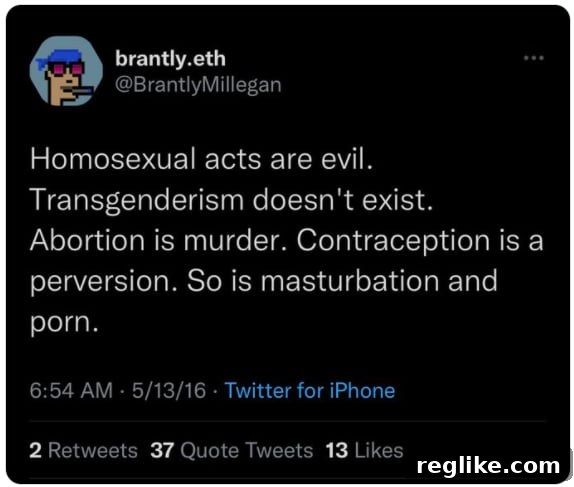
The controversy ignited when a tweet posted by Millegan in 2016 re-emerged into public view. In this tweet, he expressed a series of highly conservative and moralistic views, stating:
Homesexual acts are evil. Transgenderism doesn’t exist. Abortion is murder. Contraception is a perversion. So is masturbation and porn.
These statements immediately triggered a wave of criticism and outrage from many within the Web3 community, known for its generally progressive and inclusive values. The decentralized space, while valuing censorship resistance and free speech, often champions diversity, inclusivity, and freedom from traditional societal norms. Millegan’s comments were perceived by many as directly contradicting these core tenets, raising questions about whether such views align with the leadership of a prominent project aiming to build an open and equitable internet.
Upon the resurgence of the tweet, Millegan responded to the ensuing backlash with another tweet, stating:
hey looks like I’ve got my first mob. nice to see some ppl finally read the first word of my bio. I love you all, I’m gonna keep working on web3.
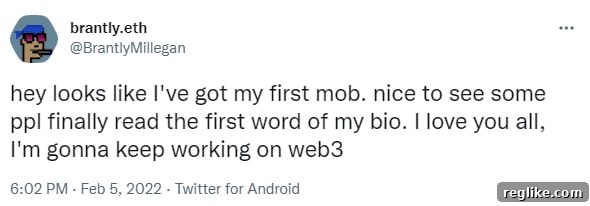
The “first word of my bio” referred to “Catholic,” indicating his stance was rooted in his religious beliefs. This response, rather than de-escalating the situation, further fueled the debate, as many interpreted it as dismissive of the concerns raised by the community and an attempt to deflect criticism by attributing it to religious persecution.
Governance in Web3: DAO, True Names Limited, and the Decision
The Ethereum Name Service operates under a unique governance structure that blends decentralized and centralized elements. While there is a strong emphasis on community input through a Decentralized Autonomous Organization (DAO), the project is ultimately managed by a legal entity called True Names Limited (TNL). This hybrid model became central to the decision-making process regarding Millegan’s employment.
Reports indicated that a community vote by the ENS DAO took place, reflecting the sentiment of token holders and community members. This vote, while influential, served as a strong recommendation rather than a direct mandate for the termination of an employee. The ultimate authority rested with True Names Limited (TNL), which held the contractual agreement with Millegan.
Nick Johnson, the founder and lead developer of ENS, tweeted about the decision, confirming the outcome and acknowledging the difficult nature of the situation. This governance structure highlights a critical challenge for many Web3 projects: how to balance the decentralized ideals of community governance with the practicalities and legal requirements of operating a real-world entity.
The Broader Implications: Values, Inclusivity, and Leadership in Web3
This incident transcends a simple personnel decision; it sparks a broader conversation about the values that underpin the Web3 movement and the expectations placed upon its leaders. The decentralized ethos often champions freedom, openness, and inclusivity, striving to build systems that are accessible and fair to everyone, regardless of background or identity.
The controversy surrounding Brantly Millegan’s comments brings to the fore questions about:
- Organizational Values vs. Personal Beliefs: Where is the line drawn between an individual’s right to hold personal beliefs (including religious ones) and their responsibility to uphold the values and mission of the organization they represent, especially one aiming for broad community adoption?
- Inclusivity in Decentralized Spaces: If Web3 aims to be a global, inclusive commons, can prominent figures openly express views that are widely perceived as discriminatory or exclusionary without alienating significant portions of the potential user base and developer community?
- Reputation and Public Trust: For projects like ENS that rely heavily on community trust and adoption, the public perception of its leadership can significantly impact its ability to grow and achieve its goals. Maintaining a reputation for inclusivity and respect is crucial.
- The Role of Community Governance: While the ENS DAO vote was advisory, it demonstrated the power of community sentiment in influencing critical decisions, even when a legal entity holds the ultimate power. This dynamic will continue to evolve as Web3 governance matures.
Many in the community argued that while individuals are free to hold any beliefs, when those beliefs are publicly expressed by a leader of a major Web3 infrastructure project and are perceived to conflict with the project’s stated or implied values of openness and inclusivity, it creates a significant conflict of interest and potential harm to the community’s trust.
Moving Forward: Lessons for the Decentralized Ecosystem
The departure of Brantly Millegan from ENS serves as a potent reminder of the complex social and ethical considerations inherent in building the decentralized future. It highlights that technology alone cannot solve societal challenges; the human element, including leadership, community values, and governance, remains paramount.
For the Ethereum Name Service, this event will undoubtedly lead to introspection regarding its internal policies, public representation, and how it navigates future challenges involving community expectations and leadership conduct. It may also prompt other Web3 projects to more clearly define their community guidelines and the ethical framework within which their leaders operate.
Ultimately, this incident forces the Web3 community to grapple with vital questions: What kind of internet are we building? What values do we wish to embody? And how do we ensure that those in positions of influence genuinely reflect the inclusive and progressive vision many hope for in a decentralized future? The path forward for ENS and the broader Web3 ecosystem will depend on how effectively these complex issues are addressed, striving for a balance between individual freedoms and the collective aspiration for a truly open and equitable digital world.