
The Moody Blues’ Digital Quest: Securing Their Iconic .COM Domain
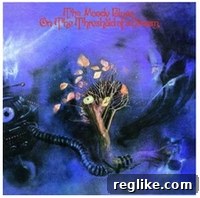 Legendary English rock group The Moody Blues, a band synonymous with innovation and timeless melodies, has embarked on a crucial digital endeavor. The iconic ensemble has formally appealed to a World Intellectual Property Organization (WIPO) panel, seeking the rightful transfer of the domain name MoodyBlues.com. This move highlights a common challenge faced by established brands in the digital age: reclaiming or securing their primary online identity.
With a career spanning over six decades and an impressive record of more than 70 million albums sold worldwide since their formation in the 1960s, The Moody Blues have undeniably left an indelible mark on the global music landscape. Their distinctive blend of progressive rock, classical influences, and poetic lyrics has captivated generations of fans. Despite their immense success and enduring legacy, their primary official web presence has long been maintained at MoodyBlues.co.uk, a domain that, while functional, limits their perceived global reach in comparison to the universally recognized .com extension.
The pursuit of MoodyBlues.com isn’t merely about owning another domain; it’s about consolidating their digital identity, enhancing fan accessibility, and protecting their brand in an increasingly interconnected world. For a band of their stature, a .com domain is often perceived as the definitive online address, offering instant credibility and ease of recall for a global fanbase. It represents the quintessential digital storefront for any major entity, especially one with such a vast international following as The Moody Blues.
The core of the dispute revolves around the fact that MoodyBlues.com was registered as far back as 1999. This early registration date raises a pertinent question that echoes through many similar domain disputes: why did it take so long for the band to pursue ownership of this critical digital asset? While the internet was still in its relative infancy in 1999, many foresightful individuals and entities were already staking their claim to domain names. For a band that has been actively touring and releasing music for decades, and maintains a vibrant connection with its audience, the delay in securing their definitive .com presence is a point of considerable intrigue.
Currently, the MoodyBlues.com domain does not resolve to any active website, meaning it points to an empty or non-existent server. This state of non-resolution, while not actively harmful, represents a missed opportunity for the band to connect with fans and control their narrative. Furthermore, a closely related domain, TheMoodyBlues.com, reportedly forwards to a general celebrity website. This situation introduces potential brand confusion and highlights the fragmentation of their online identity, making it imperative for the group to consolidate their digital assets under a unified and authoritative banner.
The significance of a .com domain in today’s digital ecosystem cannot be overstated. It remains the most recognized and trusted top-level domain globally, often being the first extension users instinctively try when searching for a brand online. For a band with the global reach of The Moody Blues, a .com address provides a universal, unambiguous portal for fans, media, and industry professionals to access official news, tour dates, merchandise, and discography. Owning this domain is crucial for maintaining direct communication with their audience and preventing potential misinformation or unauthorized use of their brand.
The Moody Blues’ illustrious career is punctuated by numerous hits that have become anthems for generations. Songs like the ethereal “Nights in White Satin” from their seminal 1967 album “Days of Future Passed” and the energetic “Ride My See-Saw” exemplify their unique artistic vision and enduring appeal. Their innovative use of the mellotron, their orchestral arrangements, and profound lyrical themes helped define the progressive rock genre. Their legacy extends beyond mere record sales; they are celebrated for pushing musical boundaries and creating a sound that continues to resonate with listeners worldwide. This rich history makes the reclamation of their primary digital identity all the more critical, ensuring that their online presence accurately reflects their historical and ongoing importance in music.
Many established artists and brands from the pre-internet era faced similar dilemmas. The rapid evolution of the internet meant that digital real estate, initially overlooked, quickly became valuable. Early adopters, or even opportunistic individuals, often registered domain names associated with famous entities, hoping to eventually sell them for a profit. This practice, known as cybersquatting, is precisely what the UDRP (Uniform Domain-Name Dispute-Resolution Policy) administered by WIPO was designed to address. It provides a streamlined, administrative process for trademark owners to challenge domain name registrations they believe infringe upon their rights, avoiding lengthy and costly traditional litigation.
Under the UDRP, claimants like The Moody Blues must typically prove three elements: first, that the disputed domain name is identical or confusingly similar to a trademark in which they have rights; second, that the registrant of the domain name has no rights or legitimate interests in respect of the domain name; and third, that the domain name has been registered and is being used in bad faith. Given The Moody Blues’ long-standing trademark rights to their name and the non-use or misleading use of the existing MoodyBlues.com and TheMoodyBlues.com domains, their case appears to have strong grounds, particularly concerning the lack of legitimate interest and potential bad faith registration.
The WIPO panel’s decision will have significant implications for The Moody Blues’ digital future. A ruling in their favor would result in the transfer of MoodyBlues.com, providing them with a central, authoritative online hub. This would allow them to consolidate their branding, improve SEO, and offer a seamless experience for their fans globally. Conversely, a ruling against them would mean the current registrant retains the domain, potentially perpetuating brand fragmentation and forcing the band to explore alternative branding strategies online.
This case serves as a poignant reminder of the vital importance of proactive digital brand management, even for groups with decades of established fame. In an era where online presence is paramount for fan engagement, merchandise sales, and historical archiving, securing the definitive .com domain is not a luxury but a necessity. The Moody Blues, despite their “aging group” moniker, have remained active, continuing to tour and engage with their fanbase. Their quest for MoodyBlues.com underscores their ongoing relevance and commitment to connecting with their audience in the most direct and universally accessible way possible.
Ultimately, The Moody Blues’ pursuit of their .com domain is more than just a legal formality; it is a reaffirmation of their enduring legacy and their commitment to maintaining a robust, official presence in the digital age. It’s about ensuring that their name, synonymous with musical excellence and innovation, is fully represented and protected across all facets of the online world, offering a clear and undisputed destination for fans to celebrate their timeless music for many years to come.