
Safeguarding Digital Innovation: Facebook’s Battle Against Cryptocurrency Phishing and Cybersquatting
In an increasingly digital world, the rapid evolution of technology, particularly in the realm of cryptocurrencies, often creates fertile ground for opportunistic scammers. Companies pioneering these innovations face the constant challenge of protecting their brand and users from malicious actors seeking to exploit public interest and trust. A prime example of this ongoing battle came to light when Facebook successfully dismantled a fraudulent website impersonating its brand to offer a non-existent cryptocurrency. This decisive action underscores the critical importance of robust brand protection strategies in the face of sophisticated online threats, especially as major tech companies venture into uncharted financial territories.
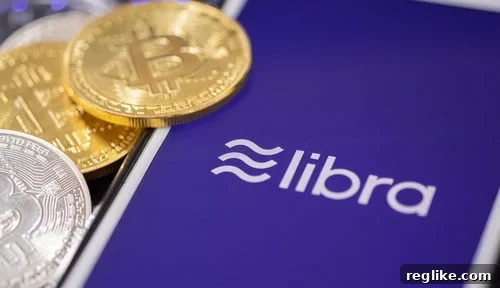
The move by Facebook, now Meta Platforms, Inc., was particularly significant as it coincided with the company’s ambitious preparations for its own digital currency project, initially known as Libra and later rebranded as Diem. The emergence of fake sites like “FacebookToken(.)org” and “ICO-Facebook(.org)” highlights the immediate risk associated with launching high-profile initiatives in a space rife with speculative interest and vulnerability to scams. These incidents serve as a stark reminder for both innovators and consumers about the pervasive nature of online fraud and the necessity for vigilance.
The Preemptive Strike: Facebook’s Cybersquatting Complaint
Facebook’s legal team initiated a cybersquatting complaint against the perpetrators behind the deceptive domains, employing the Uniform Domain-Name Dispute-Resolution Policy (UDRP) through the World Intellectual Property Organization (WIPO). This global mechanism, a cornerstone of internet governance, provides a streamlined and cost-effective method for trademark holders to resolve disputes concerning abusive domain name registrations. For companies like Facebook, which operate on a global scale and possess valuable trademarks, the UDRP offers a vital tool to reclaim illegally registered domains without resorting to lengthy and expensive traditional court battles. Facebook’s successful invocation of this policy against the fraudulent sites demonstrated a proactive approach to protecting its intellectual property and its future cryptocurrency endeavors.
While neither of the accused domains, FacebookToken(.)org and ICO-Facebook(.org), currently resolves to an active website, Facebook’s attorneys presented compelling evidence of their prior malicious use. Crucially, it was revealed that FacebookToken(.)org had previously hosted a website prominently displaying Facebook’s official logo alongside deceptive slogans designed to lure unsuspecting users. The site brazenly declared: “The future is now – FACEBOOK TOKEN – FACEBOOK ICO! FACEBOOK present FACEBOOK, the representative cryptocurrency of the FACEBOOK Blockchain.” Such language was clearly crafted to leverage Facebook’s immense brand recognition and credibility, falsely implying an official connection to a legitimate cryptocurrency offering that did not exist at the time.
The Timing of Deception: Capitalizing on Anticipation
Intriguingly, the domains in question were registered prior to Facebook’s public announcement of its Libra project. This timing suggests a calculated effort by the cybersquatters to preemptively capitalize on anticipated excitement and speculation surrounding Facebook’s inevitable foray into the cryptocurrency space. By registering these domains early, the scammers positioned themselves to exploit the initial surge of public interest and potential confusion, aiming to ensnare early adopters or less informed individuals eager to invest in what they believed was an official Facebook digital asset. The fact that FacebookToken(.)org was subsequently used as a phishing site, prompting some web browsers to block users from visiting it, further underscores the malicious intent behind these registrations and the serious threat they posed to online security.
Understanding Cybersquatting and Its Dangers
Cybersquatting is defined as the act of registering, trafficking in, or using a domain name with bad faith intent to profit from the goodwill of a trademark belonging to someone else. It represents a significant challenge for brand owners in the digital era. The intent behind such actions is usually financial gain, either by selling the domain name to the rightful trademark owner at an inflated price or by using it for deceptive activities like phishing, as seen in the Facebook case. Phishing, a subset of cybercrime, involves tricking individuals into divulging sensitive information—such as usernames, passwords, and financial details—by masquerading as a trustworthy entity in an electronic communication.
In the context of cryptocurrencies, phishing scams often aim to steal digital assets directly or gain access to accounts holding them. The allure of quick profits and the complex, often misunderstood nature of blockchain technology make cryptocurrency investors particularly vulnerable. Scammers frequently create fake websites, impersonate official support channels, or send fraudulent emails promising lucrative returns or exclusive access to new tokens. The “Facebook Token” scheme perfectly illustrates this, leveraging Facebook’s name to give a veneer of legitimacy to a scam designed to siphon funds or personal data.
The Role of WIPO and UDRP in Brand Protection
The World Intellectual Property Organization (WIPO) plays a pivotal role in resolving international intellectual property disputes, including those related to domain names. The UDRP, established by the Internet Corporation for Assigned Names and Numbers (ICANN), provides a framework for resolving domain name disputes without requiring formal litigation. To succeed in a UDRP complaint, a complainant like Facebook must demonstrate three key elements:
- The disputed domain name is identical or confusingly similar to a trademark or service mark in which the complainant has rights.
- The registrant (cybersquatter) has no rights or legitimate interests in respect of the domain name.
- The domain name has been registered and is being used in bad faith.
Facebook’s ability to successfully reclaim these domains through WIPO highlights the effectiveness of this mechanism for brand owners. It provides a relatively swift and internationally recognized avenue to combat online impersonation and protect brand integrity. This legal victory not only prevented further harm to Facebook’s reputation but also served as a deterrent to other potential cybersquatters attempting to exploit the company’s trademarks.
Lessons for Users: Navigating the Cryptocurrency Landscape Safely
The incident involving FacebookToken(.)org serves as a crucial reminder for all internet users, especially those interested in cryptocurrencies, to exercise extreme caution online. The digital currency market, while innovative, is also a hotbed for scams due to its decentralized nature and the speculative interest it generates. Here are some essential tips for safeguarding yourself:
- Verify Sources: Always double-check the legitimacy of any website, email, or social media post offering cryptocurrency investments or information. Navigate directly to official company websites rather than clicking on links from external sources.
- Look for Official Announcements: Major companies like Facebook (Meta) will always announce their official projects through established, trusted channels. Be skeptical of exclusive or unsolicited offers.
- Examine URLs Carefully: Phishing sites often use domain names that are slight variations of legitimate ones (e.g., “facebo0k.com” instead of “facebook.com”). Scrutinize the URL bar for any anomalies. A secure connection (HTTPS) is a must, but even that doesn’t guarantee legitimacy.
- Beware of Unrealistic Promises: If an investment opportunity promises guaranteed high returns with little to no risk, it’s almost certainly a scam. Cryptocurrency markets are highly volatile.
- Educate Yourself: Understand the basics of blockchain technology and how legitimate cryptocurrencies operate. Knowledge is your best defense against sophisticated scams.
- Use Strong Security Practices: Employ unique, strong passwords, enable two-factor authentication (2FA) on all your accounts, and keep your software updated.
The Broader Implications for Brand Protection in the Digital Age
This case extends beyond just Facebook and cryptocurrencies. It illustrates the broader challenges faced by all businesses in maintaining their brand integrity in a rapidly evolving digital environment. With new technologies constantly emerging and the global reach of the internet, companies must be perpetually vigilant. Proactive domain monitoring, swift legal action against infringements, and continuous user education are no longer optional but essential components of a comprehensive brand protection strategy. As the lines between physical and digital assets blur, the importance of safeguarding intellectual property in the online sphere will only continue to grow.
Conclusion: A Continuous Battle for Trust and Security
Facebook’s successful action against FacebookToken(.)org and ICO-Facebook(.org) marks a significant victory in the ongoing battle against online fraud and intellectual property infringement. It highlights the power of international legal frameworks like the UDRP in protecting brands and consumers from malicious actors. However, as technology advances and new digital frontiers like the metaverse and web3 emerge, the tactics employed by scammers will undoubtedly become more sophisticated. This incident serves as a crucial reminder that continuous vigilance, robust security measures, and an informed user base are the most potent defenses against those who seek to exploit trust and innovation for illicit gains. The future of digital currencies and online commerce depends heavily on the collective ability of companies, legal bodies, and individual users to work together in creating a safer, more secure online environment.