
ICANN collected over $350 million in application fees
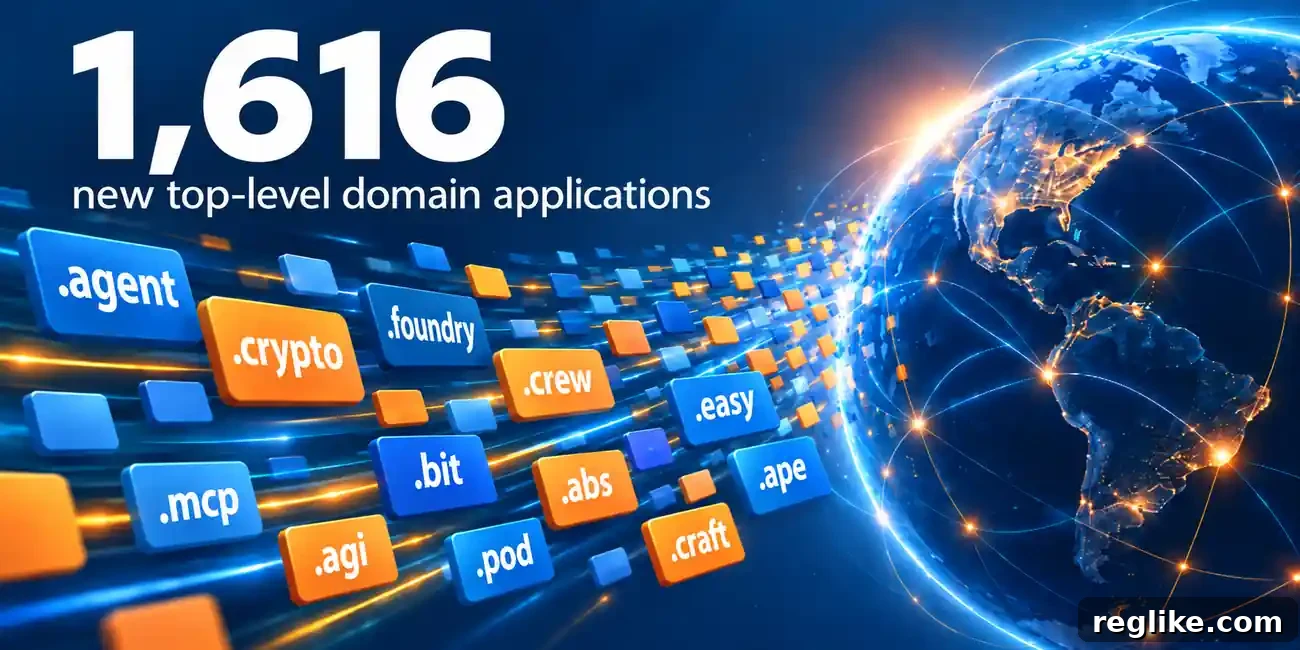
ICANN has confirmed the final tally of top-level domain name applications for the 2016 round at 1,616 submitted applications. While the organization recorded 1,663 applications initially, some of those were never paid for and therefore are not counted in the final total.
At the standard application fee of $227,000 per entry, the collected fees exceed $350 million. That figure reflects discounts provided through the Applicant Support Program, which reduces fees for qualifying applicants. A portion of the funds will be refunded as companies elect to withdraw their applications or fail to complete payment.
The organization has also set a deadline for Reveal Day, indicating it should occur no later than October 14, which precedes the scheduled ICANN public meeting in Bali. With that timing, many applicants are expected to remain remote, preferring to finalize application details and coordinate bidding strategies from their home offices rather than attending the meeting in person.
ICANN emphasized that it is the authoritative source for verified application information. The organization urged applicants and interested parties to be cautious about publicly disclosed claims that do not originate from ICANN itself, since only ICANN can confirm which entities applied and for which domain strings.
In recent weeks, there have been a number of potential 2026 Round applicants who have decided to publicly disclose what string(s) they may have applied for. ICANN encourages applicants and interested parties to remain wary of any information that doesn’t come directly from ICANN. ICANN is the only source for complete and verified 2026 Round application information, including what entities have applied and for what string(s).
As with any major application cycle for top-level domains, this round has produced both predictable and surprising entries. The high number of applications and the large pool of fees reflect continued commercial interest in new gTLDs, ranging from brand owners seeking to control their names at the top level to entrepreneurs and communities aiming to create new namespace identities.
Industry observers should note the role of the Applicant Support Program in broadening participation. Discounted application fees can enable non-profit organizations, small businesses, and initiatives in developing economies to apply for gTLDs they otherwise could not afford. That program alters the total collected and the distribution of applicants, and it can influence the resolution of contention sets when multiple parties seek the same string.
There will also be contested strings that attract multiple applicants, leading to auctions or other resolution mechanisms. Where contention exists, the financial stakes can grow significantly as applicants prepare to proceed to auction or reach private settlement agreements before ICANN assigns a final operator. Applicants and watchers should prepare for activity around offers, negotiated settlements, and auction outcomes in the months following Reveal Day.
Meanwhile, some entries and proposed strings have drawn attention for unusual or opaque backing. For example, one applicant reportedly connected to a project described as “Journey to the West” lists an affiliation with domain investors but also references an address that appears to match an official government entity in China, and it includes strings that were released in previous rounds. Such anomalies raise questions that merit careful scrutiny by regulators, applicants, and the broader internet community.
Looking forward, the community should expect ICANN to continue publishing authoritative application data and to provide updates on timelines, contention resolution, and refunds for withdrawn applications. Stakeholders planning participation in auctions or monitoring specific strings should rely on ICANN’s official announcements rather than third-party speculation.
For applicants, registries, and observers, this application round represents a major phase in the evolution of the domain name system. The volume of applications, the scale of fees collected, and the presence of both established and novel applicants underscore that demand for distinctive namespaces remains strong. As the process moves toward Reveal Day and subsequent assignment steps, clarity and verified information from ICANN will be essential to resolving disputes and assigning new top-level domains responsibly.