
Microsoft Secures Kinect.com: A Strategic Move for a Gaming Powerhouse
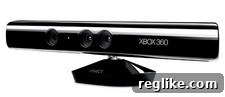
In a significant move underscoring the growing importance of digital real estate, technology giant Microsoft has officially acquired the domain name Kinect.com. Updated WHOIS records confirm the successful transfer of ownership, solidifying Microsoft’s control over the primary online identity for its wildly popular motion-sensing gaming system. This acquisition marks a crucial step in brand consolidation and protection for one of the company’s most innovative and commercially successful products.
The Kinect system, launched for Xbox consoles just last year, quickly captivated audiences worldwide, emerging as one of the hottest and most sought-after Christmas gifts. Its groundbreaking camera-based technology allowed players to interact with games using their bodies, voice, and gestures, creating an immersive and intuitive gaming experience unlike anything seen before. The device’s rapid ascent to popularity made the absence of the exact-match domain name a noticeable gap in Microsoft’s digital footprint, sparking considerable speculation within the domain industry.
The Strategic Imperative: Why Kinect.com Matters
For a global brand like Microsoft, controlling the exact-match domain for a flagship product like Kinect is not merely a matter of convenience; it is a strategic imperative. A strong online presence begins with a clear, authoritative domain name. Kinect.com serves as the most direct and intuitive destination for consumers seeking information, support, or news about the product. Without it, Microsoft risked brand dilution, potential confusion, and the inability to fully leverage its marketing efforts.
The benefits of owning Kinect.com are multifaceted. Firstly, it ensures brand consistency and credibility. When consumers type “Kinect.com” into their browser, they expect to land on an official Microsoft page. Secondly, it enhances direct navigation, making it easier for users to find official content without relying on search engines, which can sometimes lead to unofficial or less reputable sources. Thirdly, it provides a powerful platform for future marketing campaigns, product updates, and community building, centralizing all Kinect-related information under a single, authoritative roof. This strengthens trust, builds brand loyalty, and protects against potential cybersquatting or misleading websites.
Kinect’s Phenomenal Rise: A Revolution in Interactive Entertainment
The Kinect’s journey from an ambitious concept to a household name has been nothing short of remarkable. Upon its release, it introduced a paradigm shift in how users interacted with their entertainment systems. Gone were the days of relying solely on handheld controllers; Kinect allowed players to become the controller, translating their physical movements directly into on-screen actions. This revolutionary approach appealed to a broad demographic, extending beyond traditional gamers to families and casual players who appreciated its intuitive and accessible nature.
The technology behind Kinect was a marvel of engineering, incorporating a sophisticated array of sensors, including an RGB camera, depth sensor, and multi-array microphone. This allowed it to detect full-body 3D motion, facial recognition, and voice commands, opening up unprecedented possibilities for interactive experiences. Its success was not confined to gaming; developers soon began exploring its potential in various fields, from healthcare and education to robotics and artistic installations, foreshadowing a future where human-computer interaction would be more natural and immersive than ever before. This widespread impact solidified Kinect’s status as a major technological innovation, making its digital branding all the more critical for Microsoft.
Navigating the Digital Landscape: Brand Protection and Domain Strategy
Microsoft’s proactive approach to securing its digital assets is well-documented, and the journey to acquire Kinect.com highlights the complex world of brand protection in the internet age. Just last week, the company demonstrated its commitment to safeguarding its trademarks by filing a UDRP (Uniform Domain-Name Dispute-Resolution Policy) complaint to reclaim a common typo domain, wwwKinect.com. This action, targeting a domain that deliberately mirrored the brand, was a clear signal of Microsoft’s intent to control its online narrative.
The UDRP process is a common legal tool used by trademark holders to recover domain names registered in bad faith, often involving cybersquatting or typo squatting. While effective for clear-cut abuses, acquiring a premium, exact-match domain like Kinect.com from an established entity typically involves a private sale. Indeed, it was around the time of the wwwKinect.com UDRP filing that prominent domain industry observers, including Kevin Murphy of DomainIncite.com and Andrew Allemann of Domain Name Wire, noted the strategic significance of Kinect.com and speculated that Microsoft might be pursuing its acquisition. Their predictions, based on astute observation of domain market trends and corporate branding strategies, have now proven correct.
From Speculation to Confirmation: The Domain Acquisition Journey
The acquisition of Kinect.com follows a pattern often seen when major corporations seek to consolidate their brand online. Initially, the domain was not under Microsoft’s control, belonging instead to a marketing group operating under the CorbettAccel umbrella, also named “Kinect.” This marketing agency had been using the domain for its own purposes, with it previously forwarding to a page within their website. However, in the period leading up to the acquisition, the domain had ceased to resolve, suggesting that negotiations or technical preparations for a transfer might have been underway.
Such transitions in domain ownership, particularly for highly valuable names, are often handled with discretion. Private sales allow both parties to negotiate terms away from public scrutiny, facilitating a smoother transfer without the complexities and delays associated with formal legal disputes. The shift in WHOIS records provides the definitive confirmation that the domain has moved from its previous owner to Microsoft, completing a strategic maneuver that strengthens the company’s hold on its intellectual property in the digital realm. At the time of writing this expanded report, the domain may still be undergoing propagation or technical configuration, hence it might not resolve immediately to a Microsoft-controlled page, but its ownership is now undisputed.
Microsoft’s Digital Ecosystem and Future Implications
The acquisition of Kinect.com is more than just securing a URL; it’s an integral part of Microsoft’s broader digital strategy, reflecting a company-wide commitment to maintaining a robust and coherent online presence for all its products. In an increasingly digital world, a product’s success is inextricably linked to its digital accessibility and brand integrity. By owning Kinect.com, Microsoft can now fully integrate the Kinect brand into its wider ecosystem of websites, services, and marketing campaigns.
This move could pave the way for enhanced online portals dedicated to Kinect, offering improved user experiences for support, software updates, developer resources, and community engagement. It provides a central hub that can evolve with the Kinect technology itself, potentially accommodating future iterations, broader applications beyond gaming, or even integrations with other Microsoft platforms. This strategic domain ownership not only protects the brand but also serves as a foundational element for future innovation and market expansion related to the Kinect ecosystem. It underscores the understanding that in the competitive tech landscape, a strong brand requires an equally strong and unified digital identity.
In conclusion, Microsoft’s successful acquisition of Kinect.com is a testament to the critical value of domain names in modern corporate branding and brand protection. It consolidates the online identity of a hugely successful product, safeguards against potential misuse, and provides a clear, authoritative platform for future engagement. This strategic move ensures that as Kinect continues to evolve and impact various sectors, its official online home will be firmly under the control of its creator, Microsoft, reflecting the product’s innovation and market leadership. The domain world often moves quietly, but the ripples from such significant acquisitions are felt across the digital landscape, affirming the power of a perfect-match domain.