
Mastering Domain Names: From Savvy Investments to Accidental Registrations
The pursuit of valuable domain names for hand registration is a nuanced art, a skill typically mastered by only the most astute domain investors. It’s a field where insight, foresight, and a touch of luck converge to uncover digital real estate with significant potential. For those immersed in this world, the thrill of discovering a truly impactful, available domain is unparalleled. Yet, even seasoned professionals are not immune to the occasional oversight or, as in my recent experience, a rather humorous accidental acquisition.
My journey in the domain industry has afforded me countless opportunities to witness both brilliant successes and curious mishaps. I consider myself deeply entrenched in the intricacies of domain investing, constantly exploring strategies to identify and secure prime digital assets. However, a recent incident served as a potent, albeit lighthearted, reminder that even the most meticulous processes can sometimes yield unexpected results.
The Elusive Hunt for Premium Hand Registrations
In the dynamic landscape of the internet, a domain name serves as more than just an address; it’s a foundational element of any online presence, a brand identifier, and often a significant digital asset. The concept of “hand registration” refers to the process of directly registering an unregistered domain name, as opposed to acquiring one through the aftermarket or auction. This initial registration offers the most cost-effective entry point into domain ownership, presenting a vast, yet increasingly competitive, playing field.
Identifying a truly valuable domain name that is still available for hand registration is akin to searching for a needle in a digital haystack. Millions of domain names are registered daily, and the vast majority of short, memorable, keyword-rich, or brandable names have long been claimed. This scarcity drives domain investors to employ sophisticated strategies, including:
- In-depth keyword research to identify emerging trends and niche markets.
- Analysis of expired domains and those dropping from registration.
- Creative brainstorming for brandable, unique names that resonate with specific audiences.
- Monitoring new Top-Level Domains (TLDs) for untapped opportunities.
The goal is always to find names that possess inherent value – whether for development into a thriving website, for future resale at a profit, or for strategic branding purposes. It requires a keen understanding of market demand, a good eye for linguistic appeal, and often, a touch of intuition. The satisfaction derived from successfully hand-registering a domain with strong potential is immense, a testament to one’s skill and diligence in a crowded market.
My Unforeseen Addition: A Domain Name of Dubious Distinction
Imagine my surprise when, upon logging into my GoDaddy account over a recent weekend, I stumbled upon a newly registered domain name that defied all conventional wisdom of what makes a domain valuable. It was a string of random characters, devoid of meaning, memorability, or market appeal. My immediate reaction was a mix of confusion and amusement.
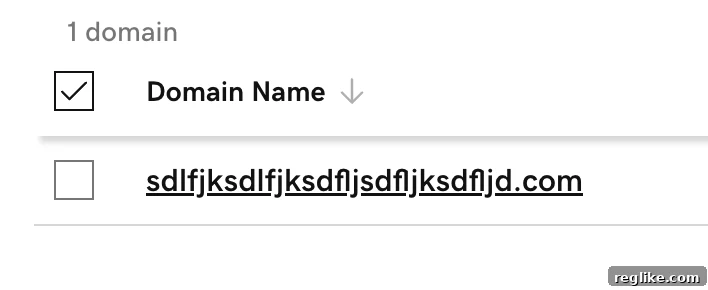
This particular domain, an arbitrary collection of letters like “SDLs, Ks, and FJs” as I jokingly refer to them, stands in stark contrast to the characteristics of a desirable domain. A truly valuable domain is typically short, easy to pronounce and spell, relevant to a specific niche or industry, keyword-rich, and brandable. This one was none of those things. In the world of domain investment, a name like this is often categorized as “junk” or “typo fodder,” utterly lacking in intrinsic worth or development potential. It was, without a doubt, a domain name that no rational investor would intentionally acquire.
The image above perfectly captures the essence of this accidental acquisition. It’s a digital curiosity, a testament to how even in a highly systematic field, human error can introduce an element of the unexpected. Far from being a prized asset, it became a humorous anecdote, prompting me to delve into the mystery of its registration.
Unraveling the Mystery: The Anatomy of an Accidental Registration
This wasn’t an error on GoDaddy’s part, nor was it the result of a malicious act. Instead, the explanation lies in my own rigorous testing procedures. As a regular contributor to Domain Name Wire, I frequently conduct various experiments and tests related to domain name registration, management, and platform functionalities. One common scenario involves testing how domain registrars, like GoDaddy, display various domains within the shopping cart interface.
My typical testing process for cart display involves typing in random, nonsensical letter combinations to simulate potential domain names. This allows me to observe how the registrar handles availability checks, pricing, and upsells without the risk of actually registering a meaningful domain name during a test run. What likely happened is that I entered these random letters into the cart, thoroughly conducted my test, and then, in a moment of oversight, neglected to remove the item from my shopping cart.
The crucial detail came later: my routine domain renewal process. I manage a significant portfolio of domains, and like many investors, I conduct batch renewals to streamline the process. In the past week alone, I had renewed approximately $5,000 worth of domains. It is almost certain that this accidentally added, meaningless domain sat dormant in my GoDaddy cart, patiently awaiting its unwitting registration alongside a host of genuinely valuable names during one of these bulk renewals. This scenario highlights a common vulnerability in large-scale domain management: the potential for a single oversight to snowball into an unexpected commitment.
Naturally, upon discovering this digital oddity, my first immediate action was to ensure that its auto-renewal feature was promptly switched off. While the cost of this particular mistake was minimal, it served as an excellent, albeit personal, case study in the importance of diligent portfolio management.
Best Practices for Robust Domain Portfolio Management
My accidental registration, while humorous, underscores the critical importance of implementing robust domain management strategies, especially for those managing extensive portfolios. Even the most experienced investors can fall prey to simple human error without proper safeguards. Here are some essential best practices to prevent similar “oops” moments and ensure the health and value of your digital assets:
- Regular Portfolio Audits: Schedule periodic reviews of your entire domain portfolio. This involves checking renewal dates, verifying ownership details, assessing the current value of each domain, and identifying any domains that no longer serve a strategic purpose.
- Disciplined Cart Management: If you frequently test registrar functionalities, make it an absolute rule to clear your shopping cart immediately after completing any test. Develop a habit of double-checking your cart before initiating any purchase or renewal, especially when processing multiple items.
- Strategic Auto-Renewal Settings: Auto-renewal is a double-edged sword. While invaluable for preventing the accidental loss of critical domains, it can also lead to the unnecessary renewal of unwanted ones. Implement auto-renewal selectively for your most valuable assets and consider setting manual renewal reminders for others. Many registrars offer email notifications well in advance of expiration, providing ample time to decide.
- Categorization and Tagging: Organize your domains using categories, tags, or folders based on their purpose (e.g., development, investment, personal), value, or expiration dates. This structured approach makes it easier to track and manage specific groups of domains.
- Comprehensive Financial Tracking: Maintain meticulous records of all domain-related expenses, including registration fees, renewal costs, and acquisition prices. This financial oversight helps in calculating the true cost of your portfolio and assessing the return on investment for individual domains.
- Establish a Deletion Strategy: Periodically identify domains that are no longer viable, profitable, or aligned with your strategic objectives. Having a clear process for letting domains expire can save significant money and streamline your portfolio. Don’t be afraid to cut ties with underperforming assets.
- Enhanced Security Measures: Beyond financial diligence, ensure the security of your domain assets. Implement registrar locks, enable two-factor authentication (2FA) on your registrar accounts, and use strong, unique passwords. These measures protect against unauthorized transfers and access.
- Utilize Domain Management Tools: For large portfolios, consider leveraging third-party domain management tools or spreadsheets that offer centralized tracking, bulk actions, and advanced reporting features.
The Broader Implications: Lessons for Every Domain Investor
My accidental domain registration serves as a micro-example of a larger truth in the world of domain investing: even with extensive experience and careful processes, human error remains a factor. It highlights several key lessons:
- No One is Immune to Mistakes: Even seasoned professionals managing thousands of dollars worth of digital assets can overlook a small detail. Humility and a willingness to learn from errors are crucial.
- The Value of Systems and Processes: While my system momentarily failed, it reinforced the need for robust, repeatable processes. A well-defined workflow for testing, purchasing, and renewing domains minimizes risks.
- The Cumulative Cost of Oversight: While one “junk” domain is financially insignificant, imagine the cumulative impact if such oversights were frequent. Small, unnecessary expenses can quickly add up, eroding potential profits over time.
- Maintaining a Sense of Humor: In a demanding field, the ability to laugh at one’s own mistakes can turn a frustrating situation into a valuable learning experience and a memorable anecdote.
Conclusion
The journey through domain investing is rarely straightforward. It encompasses the exciting hunt for hidden gems, the strategic planning for long-term growth, and occasionally, the humorous encounter with an unexpected, albeit worthless, acquisition. My story of the accidental domain registration, while an outlier, perfectly illustrates the multifaceted nature of domain management and the ever-present human element.
Whether you’re a novice stepping into the world of domain names or a veteran investor with a sprawling portfolio, diligence, meticulousness, and a continuous commitment to refining your processes are paramount. Learn from every experience, good or bad, and remember that even an accidental registration can offer valuable insights into strengthening your approach to digital asset management. May your domains be valuable, and your carts always clear!