
The Untamed Frontier: Why Animal Names Dominate the Digital Branding Landscape
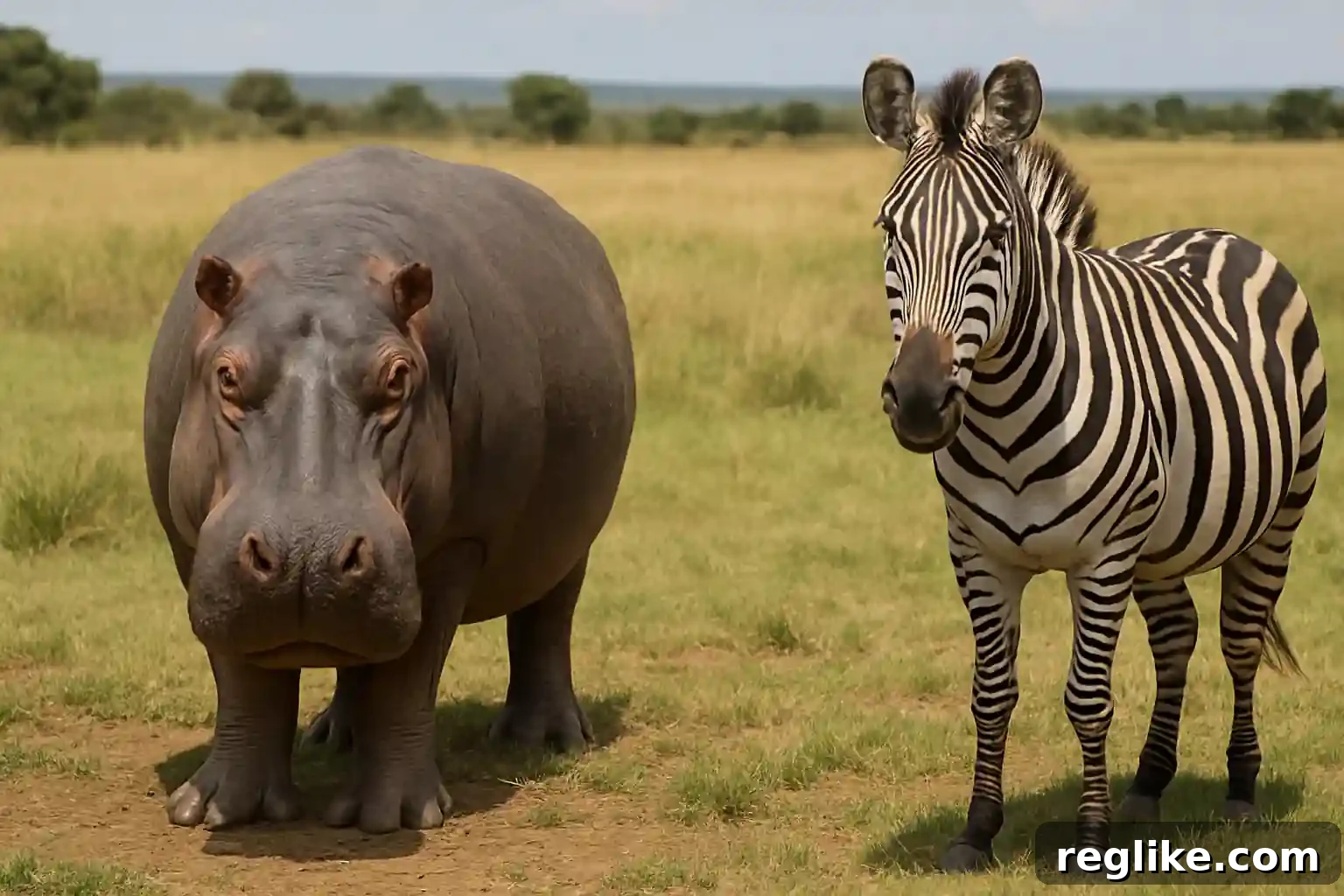
In the vast and ever-evolving digital jungle, a distinct species of brand names reigns supreme: animal names. These powerful, evocative monikers have long been recognized for their inherent branding potential, offering instant memorability, universal recognition, and a strong sense of identity. From the playful bounce of Hippo.com to the distinct stripes of Zebra.com and the soaring ambition of Bird.com, major corporations have successfully harnessed the primal appeal of the animal kingdom to forge unforgettable brand identities in the competitive online marketplace. This strategic adoption isn’t merely a trend; it underscores a fundamental truth about human psychology and marketing effectiveness. Indeed, the significant value attributed to these digital assets is so profound that popular animal names have frequently become the subject of high-stakes cybersquatting disputes, a clear indicator of their perceived worth and desirability.
The allure of an animal name for a domain isn’t accidental. It stems from our innate connection to nature and the powerful associations we have with various creatures. A lion might evoke strength and leadership, a fox cunning and agility, or an owl wisdom and insight. These ingrained perceptions translate seamlessly into brand attributes, allowing companies to communicate their core values without uttering a single word beyond their name. The challenge, however, lies in securing such a valuable piece of digital real estate. With the internet having matured significantly, the availability of premium dictionary domains, particularly those derived from animal names, has become increasingly scarce. This scarcity is precisely why groundbreaking research into the usage and availability of these domains is not just interesting, but crucial for businesses and domain investors alike.
Unveiling the Digital Menagerie: Philip Schilling’s Pioneering Analysis
For years, the anecdotal understanding was that most desirable animal domain names were already taken. Now, thanks to the meticulous efforts of Philip Schilling, owner of the evocative domain Piranhas.com, we have a quantitative, data-driven insight into this fascinating corner of the digital landscape. Schilling embarked on an ambitious project, meticulously analyzing “dictionary domains” – a category encompassing highly desirable, single-word domains derived from common lexicon. His comprehensive study wasn’t limited to animals; it also delved into domains related to countries, fruits, and vegetables, providing a broader context for understanding the value and scarcity of these premium digital assets. His findings, particularly those concerning animal names, offer a revealing snapshot of the domain market and its historical evolution.
Schilling’s research, meticulously documented and made publicly available on LexiconDomains.com, involved a deep dive into 230 distinct animal names. The sheer volume of this analysis provides an authoritative perspective on how these names are utilized across the internet. His work serves as an invaluable resource for anyone contemplating a domain acquisition, brand strategy, or simply seeking to understand the dynamics of the domain name industry. By quantifying the usage patterns, age, and availability of these domains, Schilling has illuminated the competitive nature of acquiring truly memorable and impactful online identities.
Key Discoveries: Navigating the Animal Domain Landscape
The analysis yielded several profound insights into the current state of animal domain names. These findings not only confirm long-held suspicions about scarcity but also shed light on the economic forces at play within the domain market:
- Nearly Half Resolve to Active Businesses or Organizations: Perhaps the most striking statistic, Schilling found that almost 50% of the animal names he researched are actively resolving to a live business or organizational website. This isn’t just a matter of registration; it signifies active development and integration into a brand’s online presence. This high percentage underscores the immense demand for animal names as foundational brand elements and highlights the challenge new businesses face in securing such prime digital real estate. It suggests that these domains are not merely speculative holdings but are integral to established enterprises.
- 27% Direct to For-Sale Landers: A significant portion, over a quarter, of these animal domains are currently pointing to “for-sale” landing pages. This statistic is critical for domain investors and potential buyers. It indicates a vibrant secondary market where these sought-after names can be acquired, albeit often at a premium price. These domains represent valuable assets held by investors or previous owners looking to capitalize on their inherent value. For a brand actively seeking an animal name, these landers represent a direct pathway to acquisition, assuming budget allows.
- The Ancient Lineage: Pioneering Animal Domains: Schilling’s research unearthed some of the internet’s oldest animal domains, providing a fascinating glimpse into the early days of online registration. Domains like Octopus.com (registered in 1986), Toad.com (1987), and Rabbit.com (1990) are venerable relics of the digital age. Their early registration dates highlight the foresight of individuals who recognized the long-term value of dictionary domains long before the internet became a household name. These domains are not just old; they are testament to the enduring appeal and strategic importance of animal names, securing their place as some of the earliest and most valuable digital assets.
- Extreme Scarcity of Recent Registrations: A powerful indicator of just how saturated this market segment has become, only five of the 230 animal domains analyzed were registered in 2010 or later. This finding dramatically illustrates the reality that almost all desirable, single-word animal domain names were snapped up decades ago. For businesses and individuals entering the market today, this means the likelihood of finding an unregistered, premium animal .com domain is exceedingly low, pushing them towards the secondary market or alternative branding strategies.
The Premium on Uniqueness: Singular vs. Plural Animal Domains
Another crucial distinction highlighted by Schilling’s research lies in the availability and pricing of singular versus plural animal names. The study found a clear economic disparity:
If a business or individual is looking to invest in a plural animal name, such as Piranhas.com (as owned by Schilling himself), the good news is that many options are available for under $50,000. While still a significant investment, this price point reflects a more accessible entry into the animal domain market. Plural names often offer a strong brand identity, sometimes suggesting a community, a collection, or an abundance related to the animal.
However, the landscape shifts dramatically when considering singular domains. These highly coveted names, such as Lion.com or Eagle.com, are widely considered more impactful and iconic for branding purposes. A singular name often conveys a sense of definitive identity, strength, and uniqueness, making it the quintessential choice for powerful branding. As a result, Schilling’s analysis confirms that singular animal domains will set prospective buyers back a significantly larger sum of money. The scarcity, the psychological impact, and the sheer branding power of a singular animal name combine to command a much higher premium, often reaching six or even seven figures in the domain aftermarket.
The Enduring Allure: Why Animal Names Resonate in Branding
The continuous demand and high valuation of animal domain names are not accidental; they are rooted in several powerful psychological and marketing principles:
- Instant Memorability and Recall: Animal names are inherently simple, easy to spell, and incredibly memorable. They don’t require complex explanations or abstract concepts, making them ideal for brand recall in a crowded marketplace.
- Evocative Imagery and Storytelling: Each animal carries a rich tapestry of associations, myths, and characteristics. Brands can leverage these inherent narratives to convey their values, services, or ethos. A Jaguar instantly speaks of speed and elegance; a Bear, strength and reliability.
- Universal Recognition: Animals transcend cultural and linguistic barriers. While specific meanings might vary slightly, the image of a tiger or a dolphin is globally understood, making animal names excellent choices for brands with international aspirations.
- Emotional Connection: Humans have an innate connection with animals. Using an animal name can foster an emotional bond with consumers, leveraging feelings of admiration, loyalty, or even affection towards specific creatures.
- Versatility Across Industries: From finance (Tiger Brokers) to fashion (Lacoste’s crocodile) to logistics (Panda Express’s mascot), animal names are versatile enough to be applied effectively across a myriad of industries, proving their adaptability as brand identities.
Strategic Implications for Businesses and Domain Investors
Philip Schilling’s comprehensive analysis offers critical insights for various stakeholders in the digital economy:
For Businesses Seeking a Brand Identity:
The research underscores the competitive nature of acquiring a premium animal domain. New businesses might find it almost impossible to register a desirable singular animal .com domain. Therefore, strategic options include:
- Secondary Market Acquisition: Be prepared to invest significantly in the secondary market if a singular, high-value animal name is deemed essential for branding. This often involves working with domain brokers.
- Exploring Plural or Creative Alternatives: Plural animal names offer a more accessible entry point. Alternatively, combining an animal name with a keyword (e.g., “SwiftFoxTech.com”) or exploring new top-level domains (nTLDs) might be viable, though .com remains the gold standard.
- Focus on Brand Building: If a premium animal domain is out of reach, focus on building a strong brand around a less conventional name through exceptional marketing, product quality, and customer experience.
For Domain Investors:
Schilling’s findings reinforce the concept of dictionary domains, especially animal names, as valuable digital assets.
- Long-Term Value Appreciation: The historical data indicates a consistent increase in value for these scarce assets. Holding well-chosen animal domains can be a lucrative long-term investment strategy.
- Market for Plural Domains: The relative availability of plural animal names under $50,000 presents an opportunity for investors with more modest budgets to acquire potentially valuable assets.
- Understanding Demand: Recognizing which animal names have strong branding potential (e.g., powerful, memorable, positive associations) is key to making informed investment decisions.
Conclusion: The Enduring Wild Side of the Digital Realm
Philip Schilling’s analysis of animal domain names provides invaluable quantitative evidence for what many in the domain industry have long understood qualitatively: these names are incredibly powerful, highly coveted, and increasingly scarce digital assets. With nearly half of them already in active use by businesses and organizations, and a tiny fraction registered in recent years, the findings paint a clear picture of a mature market where premium names command premium prices.
The distinction between singular and plural names further refines our understanding, highlighting the ultimate value placed on uniqueness and iconic branding. As the digital landscape continues to evolve, the intrinsic appeal of animal names as brand identifiers remains undiminished. They continue to represent an untamed frontier of digital branding, a powerful testament to our enduring connection with the natural world, even in the most technologically advanced spaces. For businesses, investors, and brand strategists, understanding these dynamics is not just academic; it’s essential for navigating the complex and competitive world of digital identity.