
The Enduring Battle for Digital Identity: .Wallet Domains and the Future of Blockchain Naming
In the rapidly evolving landscape of Web3, digital identity and domain ownership are becoming increasingly critical. At the heart of this transformation lies a simmering conflict over a seemingly simple extension: .wallet. This isn’t just a technical dispute; it’s a battle for control, user recognition, and the very foundation of decentralized digital identity. The ongoing contention between the Handshake protocol, championed by industry giants like Namecheap, and its rival Unstoppable Domains, over who gets to offer .wallet domains, signals a persistent challenge that will shape the future of blockchain-based naming systems. A recent declaration from Namecheap’s CEO has reignited this complex legal and technological saga, underscoring that the fight for definitive digital real estate is far from over.
Understanding the Ecosystem: Handshake vs. Unstoppable Domains
Before delving into the specifics of the .wallet dispute, it’s essential to grasp the underlying technologies. Blockchain naming systems offer a decentralized alternative to the traditional Domain Name System (DNS) managed by ICANN. They aim to provide user-friendly, human-readable names for cryptocurrency addresses, decentralized applications (dApps), and websites, bypassing central authorities. These systems are pivotal in creating a more robust, censorship-resistant, and user-centric internet, often referred to as Web3.
Handshake Protocol: A Decentralized Root Zone for Web3
Handshake is a groundbreaking, peer-to-peer, decentralized naming protocol designed to function as an alternative root zone for the internet. Unlike traditional DNS, where the Internet Corporation for Assigned Names and Numbers (ICANN) maintains centralized control over top-level domains (TLDs) like .com or .org, Handshake empowers anyone to bid on and own TLDs directly on its blockchain. This creates a truly permissionless and open naming infrastructure. Handshake names, such as the contentious ‘.wallet’, can be seamlessly integrated to resolve to cryptocurrency wallet addresses, serve as entry points for decentralized application frontends, or even direct users to traditional websites through compatible browsers and specialized resolvers. At its core, Handshake champions the principles of decentralization, user sovereignty, and enhanced security, aiming to build a more resilient and censorship-resistant foundation for the next generation of the internet.
Unstoppable Domains: Streamlining Digital Identity on the Blockchain
Unstoppable Domains, while sharing Handshake’s ambition for decentralized naming, adopts a different approach. Operating primarily on established blockchains like Ethereum and Polygon, Unstoppable Domains focuses on simplifying digital identity and ownership for the Web3 era. It offers a curated suite of domain names, including popular extensions like .crypto, .nft, .x, and, significantly, its own .wallet extension. These domains link to multiple cryptocurrency addresses, acting as a unified and memorable digital identity across various decentralized platforms and applications. Users can receive payments in any cryptocurrency to a single, easy-to-remember domain, eliminating the need to share complex alphanumeric wallet addresses. While also rooted in decentralization, Unstoppable Domains provides a more streamlined and integrated experience, acting as a specialized registry for its specific collection of TLDs. Both systems aspire to enhance and simplify interactions within the blockchain space, yet their distinct architectural philosophies and governance models inevitably set the stage for potential conflicts and territorial disputes.
The Spark of Conflict: Genesis of the .Wallet Domain Dispute
The current legal skirmish over the .wallet domain did not emerge overnight; it is a consequence of the inherent challenges of parallel decentralized naming systems. The conflict traces its origins back to 2022 when Gateway Registry, a participant in the Handshake ecosystem, initiated the sale of .wallet Handshake names. This action immediately drew significant attention and, more importantly, the ire of Unstoppable Domains. Unstoppable Domains had already established and popularized its own .wallet extension within its proprietary ecosystem, positioning it as a crucial identifier for cryptocurrency users. Seeing Gateway Registry’s move as a direct infringement on its brand, potential trademark rights, and an act that could lead to widespread user confusion, Unstoppable Domains took decisive legal action. A lawsuit was promptly filed against Gateway Registry, alleging trademark violation and unfair competition. The legal pressure proved effective; Gateway Registry, facing considerable legal and financial burdens, subsequently ceased its operations, leading many observers to believe that the matter had been decisively resolved. However, this cessation was merely the end of one chapter and inadvertently marked the beginning of a more entrenched and complex battle for control over the highly coveted and strategically important .wallet identifier, which has become critical for easy cryptocurrency transactions and comprehensive digital identity management in the Web3 space.
A Champion Emerges: Scott Florsck and Namecheap’s Bold Stance
Despite Gateway Registry’s retreat from the Handshake .wallet domain sales, the underlying issue of whether a decentralized .wallet TLD could coexist with Unstoppable Domains’ offering remained unresolved for the broader Handshake community. Scott Florsck, the dedicated registrant and, in essence, the “owner” of the .wallet TLD within the Handshake protocol, refused to let the domain simply disappear. Recognizing the profound importance of maintaining a truly decentralized .wallet option for the Handshake ecosystem, Florsck made the resolute decision to challenge the status quo. He found a powerful and strategically aligned ally in Namecheap, a leading domain registrar widely recognized for its strong advocacy of internet freedom, open standards, and decentralized technologies. Namecheap, through its Handshake-focused subsidiary, Namebase, agreed to provide crucial financial and logistical backing for Florsck’s legal defense. This pivotal alliance transformed what initially appeared to be a one-sided legal challenge into a head-to-head confrontation. Florsck, with Namecheap’s support, filed a countersuit against Unstoppable Domains, specifically seeking a declaratory judgment to legally affirm his right to operate and facilitate the sale of Handshake .wallet domains without infringing on any existing trademarks. This strategic partnership underscored the deep-seated commitment of these key players to foster a diverse, competitive, and truly open naming ecosystem, challenging monolithic control in the decentralized web.
The Resurgence: Namecheap’s CEO Reignites the Battle for .Wallet
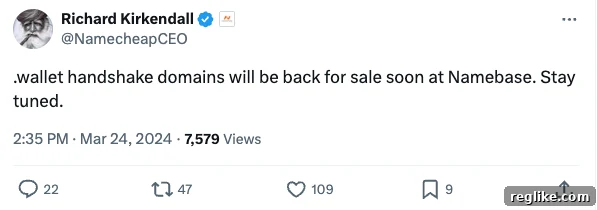
For a period, the legal battle over the .wallet domain experienced a relative lull. Unstoppable Domains had reportedly dropped its direct lawsuit against Scott Florsck, primarily citing the apparent cessation of Handshake .wallet sales, suggesting a temporary resolution. However, the conflict was merely dormant, not definitively resolved. The latest development, a definitive and public announcement from Namecheap’s CEO, Richard Kirkendall, has unequivocally reignited the dispute and brought it back to the forefront of the Web3 naming conversation. Kirkendall, utilizing the widely influential platform X (formerly Twitter), publicly declared:
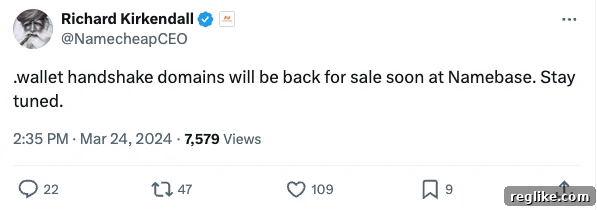
This statement serves as a clear and potent signal that Namecheap, leveraging its Namebase platform, intends to actively support and facilitate the sale of Handshake .wallet domains once again. This move directly challenges Unstoppable Domains’ perceived exclusive claim to the popular and increasingly vital .wallet identifier in the decentralized space. Consequently, the legal proceedings initiated by Florsck for a declaratory judgment now gain renewed urgency and strategic significance, effectively setting the stage for a decisive and potentially precedent-setting legal showdown that could shape the future of domain ownership in Web3.
Beyond the Courtroom: The Broader Implications of Name Collisions in Decentralized Systems
The protracted Handshake versus Unstoppable Domains saga, centered around the .wallet extension, vividly illustrates a fundamental and persistent challenge inherent in the design and operation of decentralized naming systems: the problem of name collisions. In the traditional, centralized Domain Name System (DNS), ICANN acts as the singular, ultimate arbiter, preventing any duplication of top-level domains (TLDs); for instance, there can only ever be one .com or one .org. However, the very ethos and technical architecture of decentralized blockchain protocols preclude the existence of a single, overarching, centralized authority. This means that, technically and programmatically, anyone can create and operate a naming system with a TLD that might directly conflict with or duplicate one already in use by another, distinct decentralized system. This leads to scenarios where two separate and unrelated systems could genuinely offer the exact same domain extension, such as ‘.wallet’, causing significant potential for widespread user confusion, security vulnerabilities like phishing attempts, and ultimately, a fractured and less reliable digital landscape. For example, a user attempting to send cryptocurrency to an address identified as “myname.wallet” could inadvertently use the wrong resolution service or protocol, leading to funds being sent to an entirely different address on a rival protocol, resulting in irreversible loss. This critical lack of inherent interoperability and the persistent potential for ambiguity not only complicates user experience but also fundamentally undermines the promise of a seamless and secure Web3. As the digital identity space continues its rapid expansion, addressing these complex collisions—whether through innovative technical solutions, broad community consensus, or robust legal precedent—becomes absolutely paramount to ensure clarity, enhance security, and build enduring user trust across the burgeoning decentralized web.
Converging Paths or Continued Divergence? Blockchain Naming and the Future of ICANN TLDs
The implications of this ongoing dispute extend far beyond the immediate confines of the blockchain naming space, critically touching upon the venerable traditional internet governance structure. As ICANN (the Internet Corporation for Assigned Names and Numbers) meticulously prepares for its eagerly anticipated next round of new generic top-level domains (gTLDs), a palpable tension is mounting between the established DNS world and the burgeoning, dynamic decentralized naming sector. Advocates for blockchain naming systems are becoming increasingly vocal and organized in their efforts to protect their existing “digital territory,” hoping to proactively prevent the allocation of traditional DNS TLDs that might directly mirror popular or well-established blockchain names. For example, if a .wallet gTLD were to be proposed and eventually offered by ICANN, it would undoubtedly introduce an additional, complex layer of potential collision and confusion with both Handshake’s and Unstoppable Domains’ existing offerings, exacerbating the current dispute. While these concerted efforts by blockchain proponents to “front-run” or block traditional TLD allocations are likely to encounter significant hurdles and may ultimately fail due to ICANN’s deeply entrenched policies and established processes, they are virtually guaranteed to introduce considerable uncertainty, legal complexities, and delays into the gTLD application and evaluation process. This overarching debate underscores a fundamental philosophical divide: the centralized, hierarchical, and governed approach of ICANN versus the decentralized, permissionless, and open-source nature of blockchain naming protocols. Navigating this increasingly intricate intersection will necessitate innovative solutions, cooperative frameworks, and perhaps even entirely new paradigms to ensure that both systems can coexist harmoniously, or at the very least, minimize friction and maximize clarity, as the internet continues its inevitable and exciting evolution.
Conclusion: An Enduring Quest for Digital Identity and Clarity
The renewed battle over the .wallet domain between the Handshake protocol, championed by Namecheap and Scott Florsck, and Unstoppable Domains, is far more than a simple legal tussle; it represents a pivotal moment in the ongoing evolution of digital identity and internet governance. It powerfully highlights the inherent complexities and challenges that arise within decentralized systems, particularly concerning naming conventions and the pervasive potential for name collisions. As Web3 continues its rapid expansion and adoption, establishing clarity, fostering interoperability, and developing robust, fair dispute resolution mechanisms will be absolutely vital for its success and widespread acceptance. This enduring saga will undoubtedly set crucial precedents for how future conflicts and territorial disputes in the decentralized naming space are managed and resolved, ultimately shaping the user experience, the foundational infrastructure, and the trust model of the internet’s next generation.