
Namecheap, a leading domain name registrar, is making waves in the digital landscape by introducing 11 novel alt-root domains powered by cutting-edge blockchain technology. This move signifies a pivotal moment in the evolution of domain naming conventions and the broader adoption of decentralized web infrastructure.

Namecheap Pioneers Blockchain-Based Domain Registrations
In a significant industry development, Namecheap has cemented its position as the largest domain name registrar to venture into offering blockchain-based domain names to its vast customer base. This strategic initiative not only broadens the spectrum of domain choices available but also underscores Namecheap’s commitment to exploring and integrating innovative technologies that could shape the future of the internet.
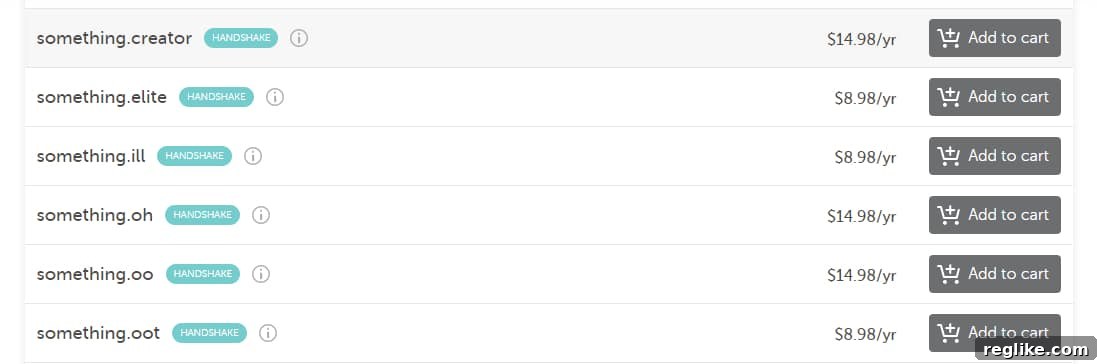
The company has unveiled a carefully curated selection of 11 alt-root Handshake domain names, each offering a unique and memorable identifier for users seeking a decentralized online presence. These distinctive extensions include: .p, .pgp, .sox, .elite, .ill, .saas, .creator, .oh, .oo, .oot, and .orb. Namecheap has also indicated its ambitious plans to expand this initial offering by adding even more extensions in the near future, signaling a long-term commitment to the Handshake ecosystem.
For users browsing Namecheap’s platform, the integration of Handshake domain options is seamless and intuitive. These novel domain names appear directly within regular search results, ensuring discoverability alongside traditional ICANN-governed domains. To cater to specific interests, a dedicated button on the search interface allows users to filter results and view only Handshake domain names, streamlining the discovery process for those interested in decentralized web solutions. Each Handshake domain is clearly labeled and accompanied by an informative tooltip, providing immediate context and explanation regarding its nature and underlying technology, thereby assisting users in making informed decisions.
The Vision of a Decentralized Web: Namecheap’s Stance
Namecheap articulates its motivation for embracing Handshake domains with a clear vision for the future of the internet. In an official press release, the company eloquently stated:
Decentralizing the web creates a more egalitarian online space where technologies power the Internet community rather than a few stakeholders. Handshake represents a shift toward decentralization, with progressive steps that help to grant users less oversight, more freedom, and enhanced security.
This statement encapsulates the core philosophy driving the adoption of blockchain-based domains. It champions the idea of moving away from centralized control, often associated with a handful of powerful entities, towards a more distributed and user-centric internet. The promise of Handshake, according to Namecheap, lies in its ability to empower users with greater autonomy, reduce the potential for censorship, and fortify online security through its decentralized architecture.
Understanding Handshake: A Paradigm Shift in Domain Naming
Handshake is an experimental, decentralized, and permissionless naming protocol. Its fundamental goal is to challenge the existing, hierarchical domain name system (DNS) managed by organizations like ICANN. Instead of relying on centralized authorities to verify and resolve domain names, Handshake leverages blockchain technology to create a distributed ledger where domain ownership and resolution are managed by network participants. This structure aims to make the internet’s root zone more resilient, censorship-resistant, and open to innovation.
In theory, Handshake domains offer significant advantages. They promise enhanced security by removing single points of failure that could be exploited in traditional DNS. They aim to provide greater freedom for users and developers, allowing for the creation of new top-level domains (TLDs) without the bureaucratic hurdles and costs associated with ICANN. Furthermore, the decentralized nature of Handshake could foster a more equitable internet, where control is distributed among many rather than concentrated in a few hands.
Navigating the Realities: Challenges and Considerations for Handshake Domains
While the theoretical benefits of Handshake domains are compelling, their practical implementation presents several distinct challenges, particularly for the average internet user. It is crucial for potential registrants to understand these nuances before diving into the decentralized domain space.
The Resolution Conundrum: A Technical Hurdle
One of the primary distinctions between Handshake domains and their traditional counterparts lies in how they are resolved. While it’s true that Handshake operates on a decentralized top level, the current user experience often mirrors that of a typical, ICANN-based TLD. However, there’s a critical difference: standard web browsers and internet service providers (ISPs) do not inherently recognize Handshake domains. This means that unlike a .com or .org address, a Handshake domain like .p or .elite won’t resolve in a browser without specific technical adjustments.
For a web user to access a Handshake domain, they typically need to make technical changes to their browser or operating system’s DNS settings, or install specialized software or browser extensions that can communicate with the Handshake network. This requirement introduces a significant barrier to entry for many users, who are accustomed to the “plug-and-play” nature of the internet. While Namecheap endeavors to clarify this limitation, there remains a legitimate concern that some customers, unfamiliar with the intricacies of decentralized web technologies, may experience confusion or frustration when their newly registered Handshake domain doesn’t resolve as expected in a standard browser environment.
The Specter of Name Collisions
Another pertinent risk associated with alt-root domains like those offered by Handshake is the potential for “name collisions.” This occurs when a domain name exists simultaneously in both an alternative root system (like Handshake) and the main ICANN root system. Should any of the currently offered Handshake TLDs – such as .p, .sox, or .creator – eventually be introduced into the main ICANN root as a new generic top-level domain (gTLD), it could lead to significant conflict and confusion. Users might resolve to different websites depending on whether they are using a Handshake-aware resolver or a traditional DNS resolver, creating an inconsistent and potentially insecure internet experience. This scenario could also lead to legal and operational complications for businesses and individuals who have invested in these domains.
Annual Fees vs. Decentralized Ideals
Despite the emphasis on decentralization and freedom, customers purchasing Handshake domains through Namecheap are still subject to annual renewal fees, much like traditional domains. While these fees contribute to the operational costs and sustainability of the registrar’s service, it highlights a tension between the purely decentralized ideal (where ownership might be perpetual or involve one-time, blockchain-based transactions) and the practical realities of offering and managing these services through a commercial registrar. This aspect further blurs the line for customers trying to understand the fundamental differences and advantages of blockchain domains over conventional ones.
Historical Precedents and Future Outlook
The concept of alternative root domain names is not new. Throughout the internet’s history, various companies and initiatives have attempted to establish and popularize alt-root domain systems outside the ICANN framework. However, the vast majority of these past endeavors ultimately failed to gain significant traction or widespread adoption, often due to the very resolution issues and lack of universal support that Handshake currently faces. These historical failures serve as a cautionary tale, underscoring the formidable challenges in disrupting established internet protocols and user behaviors.
Despite these historical precedents and current challenges, Namecheap’s entry into the Handshake domain space is a significant indicator of the growing interest in and potential for decentralized internet technologies. As blockchain technology matures and becomes more accessible, it is conceivable that solutions to the resolution problem – perhaps through more widely adopted browser integrations or transparent proxy services – will emerge. The success of Handshake, and indeed the broader decentralized web movement, will depend heavily on overcoming these technical hurdles and convincing mainstream users of the tangible benefits that outweigh the current complexities.
The move by Namecheap is not merely a commercial offering; it’s an active participation in the ongoing debate and development of the internet’s future architecture. It represents a bold step towards an internet that is potentially more resilient, private, and censorship-resistant. However, the journey from theoretical ideal to practical, widespread utility is fraught with technical, educational, and adoption challenges.
Engaging with the Future: NamesCon and Decentralized Domains
For those deeply interested in the evolving landscape of domain names, and particularly the burgeoning field of Handshake domains and decentralized web technologies, industry events offer invaluable insights. This week, the prestigious NamesCon conference features an entire dedicated “Handshake track” every day. This provides an exceptional opportunity for enthusiasts, developers, investors, and registrars to dive deep into the technical, commercial, and philosophical aspects of Handshake, engage with experts, and stay abreast of the latest developments and future projections for this transformative technology.
Namecheap’s pioneering effort with Handshake domains marks a crucial inflection point. It highlights both the immense promise of a decentralized internet and the significant practical hurdles that must be overcome for such a vision to truly materialize and gain widespread acceptance among internet users globally.