
The Unexpected Closure of Shoes.com and Its Sister Sites: A Wake-Up Call for the E-commerce Footwear Industry
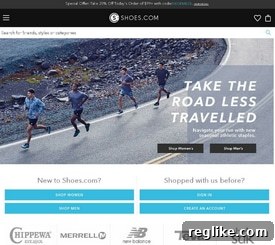 The digital landscape of retail is ever-changing, and recent events have delivered a stark reminder of its relentless competitive nature. In a move that sent ripples through the online footwear sector, a prominent Canadian firm has announced the immediate closure of its entire portfolio of online shoe stores, including the highly recognizable Shoes.com, along with OnlineShoes.com and ShoeME.ca. This sudden shutdown underscores a crucial lesson for online businesses: possessing a great domain name, while valuable, is merely one component of a successful, sustainable enterprise in today’s cutthroat e-commerce environment. The abrupt end to these well-known digital storefronts marks the conclusion of a significant chapter in online shoe retail and prompts a deeper examination of the forces shaping the future of buying shoes online.
The Rise and Fall of a Digital Footwear Empire
Shoes.com was more than just a memorable URL; it was an established player in the online footwear market, boasting a strong brand identity and a loyal customer base. Its acquisition in 2014 by a Canadian firm from Brown Shoe Co. (now Caleres) was a noteworthy event, signaling ambitious plans for expansion and consolidation within the digital shoe space. At the time, the purchase wasn’t merely for the coveted domain name but for an actively operating business with existing infrastructure, inventory, and customer relationships. This strategic move aimed to leverage the power of a highly descriptive and brandable domain to capture a larger share of the burgeoning online shoe market. For years, Shoes.com, alongside its sister sites OnlineShoes.com and the Canadian-focused ShoeME.ca, offered a wide array of footwear options, attempting to cater to diverse consumer needs and preferences. Their collective presence formed a significant segment of the independent online shoe retail landscape. However, the recent announcement confirms that even a well-established brand with a prime digital address can succumb to the immense pressures of modern e-commerce, leading to the unfortunate shuttering of all three digital platforms.
Unpacking the Competitive Landscape: The Amazon and Walmart Effect
While the exact reasons for the Canadian firm’s decision remain internal, industry observers and a Business Vancouver article have widely speculated that the company was facing insurmountable pressure from retail titans Amazon and Walmart. These two giants have fundamentally reshaped the e-commerce landscape, making it incredibly challenging for specialized or independent online retailers to compete. The closure of Shoes.com serves as a potent illustration of the “retail apocalypse” narrative, which, while often associated with brick-and-mortar stores, is increasingly impacting online-only businesses that struggle to differentiate themselves or compete on scale.
- Amazon’s Dominance: Amazon’s vast ecosystem offers unparalleled convenience, speed, and competitive pricing. Its Prime membership program fosters immense customer loyalty, with consumers often defaulting to Amazon for nearly all their online shopping needs. For footwear, Amazon provides an extensive selection from countless brands, coupled with easy returns and a seamless user experience. This broad appeal and logistical prowess make it incredibly difficult for a niche retailer like Shoes.com to compete on inventory depth, delivery speed, or sheer market presence.
- Walmart’s Aggressive Expansion: Walmart, traditionally a brick-and-mortar powerhouse, has made massive strides in its e-commerce strategy, directly challenging Amazon’s dominance. Its acquisition of ShoeBuy.com earlier this year (which was subsequently integrated into its broader e-commerce offerings, including Jet.com and Walmart.com) demonstrated its serious intent to capture a significant share of online retail, including footwear. Walmart’s immense capital, sophisticated supply chain, and growing online infrastructure position it as a formidable competitor capable of offering aggressive pricing and efficient delivery services.
Beyond these two behemoths, other factors likely contributed to the decline. The online shoe market is characterized by high return rates due to sizing and fit issues, which significantly impact profitability. Furthermore, the rising costs of customer acquisition through digital advertising, coupled with the constant need for technological innovation in user experience and mobile shopping, can quickly deplete the resources of even well-funded independent retailers. The thin margins prevalent in general retail, amplified by intense competition, leave little room for error or sustained periods of underperformance.
The Broader Implications for Niche E-commerce and Specialized Retailers
The shutdown of Shoes.com, OnlineShoes.com, and ShoeME.ca sends a strong signal to other specialized online retailers across various sectors. It underscores the immense challenges of sustaining profitability and market share when pitted against multi-billion dollar corporations with seemingly endless resources. This event is not an isolated incident but rather a symptom of a larger trend where scale, efficiency, and a diversified product offering often win out over specialized focus. For smaller, niche players, the imperative to carve out a unique value proposition becomes even more critical.
Survival in this environment demands:
- Strong Differentiation: Offering unique products, curated selections, exceptional customer service, or a specialized shopping experience that giants cannot easily replicate.
- Brand Story and Community: Building a powerful brand narrative and fostering a loyal community around specific values, aesthetics, or ethical practices.
- Agility and Innovation: Rapidly adapting to technological advancements, evolving consumer behaviors, and market shifts.
- Strategic Partnerships: Collaborating with complementary businesses or exploring innovative fulfillment and marketing strategies to lower costs and expand reach.
The lessons from Shoes.com’s closure suggest that simply being an “online version” of a traditional retail category is no longer enough. Businesses must think beyond mere transactions and focus on creating genuine value and connection in a highly saturated digital world.
The Intrinsic Value of a Premium Domain Name: Shoes.com
In the aftermath of the business closure and likely liquidation, one asset stands out with significant future potential: the Shoes.com domain name itself. Generic, category-defining domains like “Shoes.com” are incredibly valuable commodities in the digital realm. Their power lies in their:
- Instant Brand Recognition: Easy to remember, pronounce, and type.
- Direct Navigation: Consumers intuitively type “shoes.com” when looking for footwear online.
- Authority and Trust: A generic domain often conveys established authority and trustworthiness.
- SEO Advantage: While less direct than in the past, a relevant, keyword-rich domain can still offer subtle SEO benefits and improved click-through rates.
The impending availability of Shoes.com on the market opens up fascinating possibilities. Will another established footwear retailer acquire it to bolster their online presence? Could a new startup emerge, hoping to leverage the domain’s legacy and build a fresh brand? Or might one of the major players, like Amazon or Walmart, snap it up primarily for defensive purposes – to redirect traffic to their existing footwear sections and prevent competitors from gaining an advantage? The market for premium domains like this is often robust, and its next owner will inherit not just a URL, but a piece of e-commerce history with inherent marketing power. The story of Shoes.com thus highlights that while a great domain is a powerful foundation, it must be supported by sound business practices and a robust strategy to thrive in today’s digital economy.
Lessons Learned and the Road Ahead for Digital Footwear
The closure of Shoes.com provides critical insights for any business operating in the digital sphere. It reiterates that success in e-commerce requires far more than just a strong online presence or a memorable domain name. It demands relentless operational efficiency, astute financial management, continuous innovation, and a deep understanding of evolving consumer expectations. Businesses must adapt quickly to competitive shifts, explore new technologies, and consistently deliver superior customer experiences to build loyalty and sustainability.
Looking ahead, the digital footwear market will likely continue its trajectory towards consolidation, with major players commanding increasingly larger shares. However, opportunities will persist for innovative niche retailers that can offer:
- Hyper-personalization: Tailoring recommendations and experiences based on individual preferences and data.
- Sustainable and Ethical Sourcing: Appealing to conscious consumers looking for environmentally friendly or ethically produced footwear.
- Advanced Technologies: Incorporating augmented reality (AR) for virtual try-ons or AI-powered fitting tools to reduce returns.
- Curated Collections: Focusing on specific styles, brands, or limited editions that resonate with a dedicated audience.
Ultimately, the story of Shoes.com is a powerful testament to the dynamic and often unforgiving nature of e-commerce. It serves as a stark reminder that while the digital world offers immense opportunities, it also demands constant vigilance, strategic foresight, and an unwavering commitment to operational excellence to survive and thrive.