
Mastering LinkedIn for Global Business Development: Connecting with Decision-Makers in China and Beyond
In today’s interconnected global economy, establishing robust professional connections is paramount for business growth and international expansion. LinkedIn stands as an unparalleled platform for achieving this, offering direct access to decision-makers across industries and geographical boundaries. This comprehensive guide, drawing insights from seasoned domain investor Kassey Lee, explores effective strategies for leveraging LinkedIn, with a specific focus on navigating the unique opportunities within the Chinese market, yet applicable to forging valuable relationships worldwide.
The Power of LinkedIn in International Business
LinkedIn has evolved far beyond a simple job board; it is now the world’s largest professional network, a dynamic ecosystem where industry leaders, entrepreneurs, and professionals converge to share knowledge, explore opportunities, and build strategic alliances. For anyone looking to expand their professional sphere, especially into challenging yet lucrative markets like China, LinkedIn offers a direct and efficient pathway.
Kassey Lee’s Journey: A Testament to Strategic Networking
Kassey Lee’s experience exemplifies the transformative power of strategic LinkedIn engagement. Joining in 2016 on the recommendation of fellow domain investor Howard Fellman, Kassey meticulously cultivated a formidable network. Over four years, he amassed over 30,000 connections, a remarkable 8,000 of whom are CEOs. A significant portion of these high-level connections reside in China, underscoring LinkedIn’s global reach. Kassey’s daily commitment to sharing insights on domains and engaging in meaningful discussions highlights the platform’s utility not just for initial connection, but for ongoing professional discourse and idea exchange. His journey is a powerful testament to how consistent, value-driven activity can open doors to unparalleled professional access.
LinkedIn’s Unique Foothold in the Chinese Market
For Western businesses and professionals eyeing the vast potential of the Chinese market, LinkedIn presents a crucial advantage. Unlike many foreign social networks, LinkedIn has successfully established a significant and legitimate presence in the Middle Kingdom since its entry in 2014. According to Baidu, the platform now boasts an impressive 50 million Chinese users. This unique position makes LinkedIn an invaluable conduit for Westerners seeking to connect with corporate executives, entrepreneurs, and key decision-makers within China’s dynamic business landscape. Its compliance with local regulations and commitment to fostering professional development have allowed it to thrive where many others have faced barriers.
Navigating the Digital Landscape: Why LinkedIn Thrives in China
LinkedIn’s success in China can be attributed to its strategic localization efforts and its focus on professional networking, a need universally recognized in business. For professionals and companies outside China, this translates into an unprecedented opportunity to bypass traditional gatekeepers and directly engage with individuals who hold influence and power within Chinese organizations. The platform serves as a bridge, facilitating cross-cultural business development and enabling direct communication channels that might otherwise be unavailable. Understanding its unique status in China is the first step toward unlocking its immense potential for international business expansion.
Building a Robust Network: Your Gateway to Influence
The efficacy of your outreach on LinkedIn is directly proportional to the strength and breadth of your network. A well-established network provides credibility, increases your visibility, and significantly enhances your ability to connect with target individuals. When you have a substantial number of connections, particularly those in senior roles, your profile carries more weight, and your connection requests are more likely to be accepted.
The Foundation of Connectivity: Why a Large Network Matters
A large network on LinkedIn isn’t merely about numbers; it’s about expanding your reach through degrees of separation. Having numerous first-degree connections increases your access to second and third-degree connections, effectively broadening your pool of potential contacts exponentially. Kassey Lee, for instance, detailed his strategy for acquiring 3,000 CEO connections in a LinkedIn article back in 2017. While written in Chinese, Google Translate can provide valuable insights into his approach (you can find the article here). His methodology likely involved strategic identification, personalized outreach, and consistent engagement, all critical components of effective network building. By understanding the principles behind expanding your network, you create more pathways to the decision-makers you wish to reach.
Accelerated Networking: Leveraging LinkedIn Premium
For those pressed for time or seeking to expedite their networking efforts, LinkedIn offers premium membership options. These paid subscriptions provide a range of advanced features, most notably the ability to send InMail messages. InMail allows you to directly message any LinkedIn user, regardless of whether they are a first-degree connection or not. This feature bypasses the traditional connection request process, offering a direct line to your target contacts. While an investment, a premium membership can significantly reduce the time and effort required to initiate contact with high-value prospects and decision-makers, making it a valuable tool for focused business development initiatives.
Pinpointing Key Decision-Makers: Effective Search Strategies
Once you understand the importance of your network, the next critical step is efficiently identifying and locating the specific individuals you wish to connect with. LinkedIn provides powerful search tools, but knowing how to maximize their potential, and when to look beyond them, is key.
Harnessing LinkedIn’s Native Search Functionality
Finding a specific company or individual on LinkedIn is generally straightforward. Let’s use the example of “Singlera,” a Chinese company encountered during end-user research. Simply utilize the prominent search box located at the top of every LinkedIn page. Typing “Singlera” into this box will yield a list of relevant results. These results often include key executives such as the CEO, COO, and CTO of the company, alongside a direct link to the company’s LinkedIn page. From the company page, you can further explore its employees, often revealing a deeper roster of executives and senior staff who might be relevant to your objectives.

Beyond Direct Search: Advanced Tactics and Google Integration
While LinkedIn’s internal search is robust, free users may encounter limitations, particularly if they conduct a high volume of searches within a short period. To circumvent these restrictions and enhance your discovery process, integrating Google search can be highly effective. A simple yet powerful technique is to use specific search queries on Google, such as “linkedin singlera ceo” or “linkedin [company name] [title].” This often leads directly to the LinkedIn profile of the individual you are seeking, allowing you to access their public profile page and initiate a connection request without hitting LinkedIn’s internal search limits. This hybrid approach ensures you maintain consistent access to your target audience, regardless of your LinkedIn subscription status.
Crafting Impactful Connection Requests: Your First Impression
The connection request is often your initial point of contact with a potential valuable connection. This crucial first impression dictates whether your request will be accepted or ignored. A well-crafted message demonstrates professionalism, respect, and a clear purpose, significantly increasing your chances of success.
The Art of the Connection Request: Maximizing Acceptance Rates
LinkedIn provides a dedicated function for sending connection requests, which also allows for a personalized message. To use this effectively, ensure you are viewing the profile page of the executive you wish to contact. The process is as follows:
- Click the “Connect” button: This button is typically prominently displayed on the individual’s profile page.
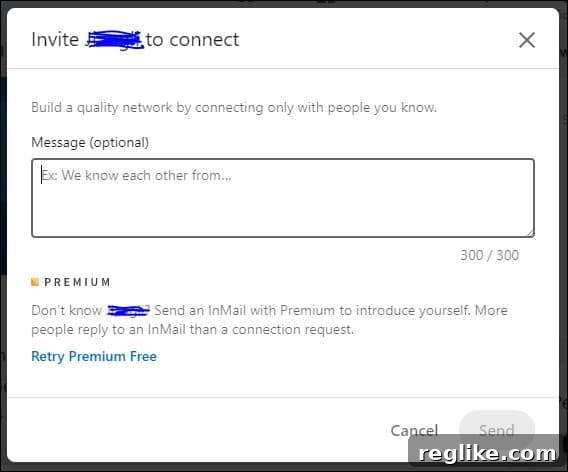
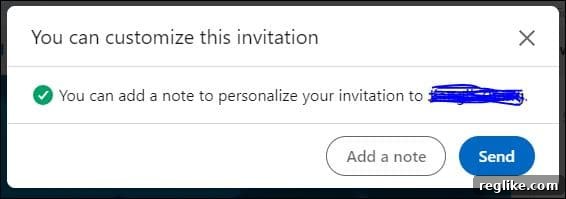
- A dialog box will appear:
- Crucially, click “Add a note”: This step is often overlooked but is vital for personalization. Without it, you send a generic request.
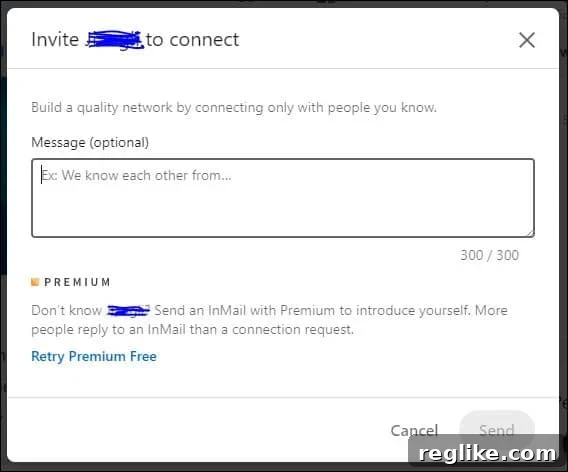
- A new dialog box will appear, allowing you to compose your message:
- Compose your message: You have up to 300 characters. Kassey Lee emphasizes being “very short and get straight to the point.” Your message should clearly state why you want to connect and, most importantly, articulate what value you can offer the recipient or why the connection would be mutually beneficial. Avoid immediately pitching a product or service. Instead, focus on a shared interest, a mutual connection, or a genuine admiration for their work. For example, “Saw your recent post on [topic] and found it insightful. Would love to connect and learn more about your work at [company].” or “Our work in [industry] aligns with your efforts in [area]. I believe a connection could be beneficial for both.”

Common Mistakes to Avoid
To maximize your acceptance rate, avoid common pitfalls. Generic messages are easily dismissed. Immediately trying to sell something or asking for a favor without first establishing a relationship will likely lead to rejection. Do your homework; reference something specific about their profile or recent activity. A well-researched, concise, and value-oriented message stands out in a crowded inbox and sets the stage for a productive professional relationship.
Bridging the Language Gap: Seamless Cross-Cultural Communication
When connecting with professionals across different linguistic backgrounds, particularly with decision-makers in China, language can seem like a significant barrier. However, modern translation tools have made this challenge highly surmountable, ensuring that language does not impede your global networking efforts.
Leveraging Translation Tools for Global Outreach
The solution to language differences is readily available through various translation tools. Google Translate, DeepL, and other similar services offer robust and increasingly accurate translations that can facilitate communication. As an example, Kassey Lee mentions a Chinese investor who, despite not knowing much English, joined LinkedIn and became very active early in the year. This investor relies heavily on translation tools to compose messages, demonstrating that a lack of fluency is no longer a disqualifier for global networking. When using these tools, it’s advisable to keep your original messages simple and direct to minimize potential translation errors. After translating, a quick back-translation can sometimes help to catch any awkward phrasing before sending. This practical approach ensures that your message is conveyed clearly and professionally, allowing you to connect with a wider range of international contacts.
Best Practices for Sustainable Networking on LinkedIn
Connecting with decision-makers is only the first step. True networking involves nurturing these connections into meaningful professional relationships. Sustainable engagement on LinkedIn requires more than just sending connection requests; it demands a strategic, long-term approach.
From Connection to Relationship: Long-Term Engagement Strategies
Once your connection request is accepted, the work of relationship building begins. Regularly share valuable content related to your industry or areas of expertise. Engage thoughtfully with your connections’ posts by offering insightful comments, congratulations on achievements, or sharing relevant articles. Thoughtful follow-ups, perhaps referencing a topic discussed in your initial connection note or a recent development in their company, can keep the conversation going. The goal is to establish yourself as a knowledgeable, reliable, and helpful contact, not just another name in their network. Participate in LinkedIn Groups relevant to your industry and target markets, which can further enhance your visibility and credibility. Consistency in providing value and initiating meaningful interactions is key to transforming a digital connection into a tangible professional relationship.
Ethical Considerations in Professional Outreach
Finally, always use the connection request function sensibly and ethically. Focus on sending messages that truly provide value to the recipient, whether that value is a shared insight, a potential collaboration, or simply a respectful acknowledgement of their expertise. Avoid generic spam, unsolicited sales pitches immediately after connecting, or excessive messaging. Respect boundaries and understand that not every connection will blossom into a business opportunity. The core principle of professional networking on LinkedIn, and indeed in any context, is to build genuine relationships based on mutual respect and shared professional interests. By adhering to these ethical guidelines, you not only enhance your personal brand but also contribute positively to the LinkedIn community.
Conclusion: Unlock Your Global Potential with LinkedIn
LinkedIn is an indispensable tool for anyone aspiring to expand their professional reach, particularly when targeting high-level decision-makers in global markets like China. By understanding the platform’s unique position, strategically building your network, mastering effective search techniques, and crafting impactful connection requests, you can unlock unparalleled opportunities. Coupled with the judicious use of translation tools to bridge linguistic gaps and a commitment to ethical, value-driven engagement, LinkedIn empowers you to transcend geographical barriers and forge meaningful connections that drive business development worldwide. Embrace these strategies, and harness the full potential of LinkedIn to achieve your global professional ambitions.