Web3 “domains” are dead
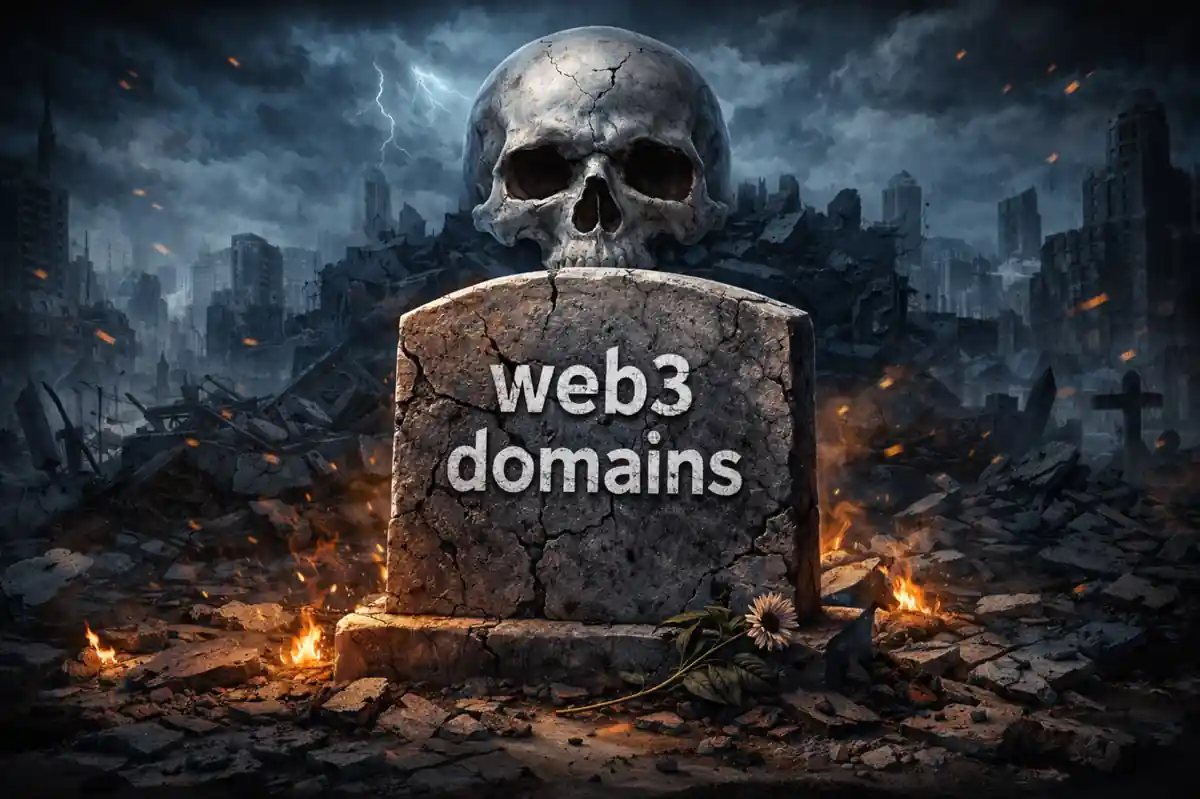
The web3 domain experiment was a failure.
This stretch, Unstoppable Domains CEO Matthew Gould posted on X regarding the firm’s transition to traditional domain names. He explained that the firm’s website is focusing more on “web2 domains” since web3 names aren’t panning out how the firm had initially hoped:
…Web3 only domains were part of the crypto craze in 2021 but did not cross the chasm into mainstream usage. And for a while now we have believed they will remain a niche market now and into the future.
They were a great place to start our journey into domains, but going forward our focus will be even more on the traditional market as it’s the market that has crossed the chasm and is seeing mainstream usage.
The response from people who registered web3 names with the firm was, unsurprisingly, negative.
The reality is that Matt has been saying this for over a year. But even when crypto stalwarts actually listened to his recent podcasts on Reglike, their comments on X seemed to focus on how this was a good thing for their web3 domain investments.
I suppose this is a pattern for people who have invested in something and continue to try to “pump their bags”.
It’s not just Unstoppable Domains that has essentially thrown in the towel. Namecheap sold its Handshake exchange, and the few registrars who ever sold these domains have relegated them to the back of their websites.
Recently, I received a message from someone who stated I could now tell him, “I told you so” regarding web3 domains.
Sure, I’ve been skeptical from the get-go. I’m old enough to remember other alternative alt-root domain name initiatives. They all failed since of distribution. It’s a chicken-and-egg problem: if people can’t actually visit your website, you aren’t going to build on the alt-root domain. If people don’t build on the alt-root, browsers won’t resolve them.
But this time was different, they stated. Since, blockchain.
To a point, this is correct. There is additional functionality in these domains: they can serve as easy-to-remember monikers for wallet addresses. But that’s a niche use, and doesn’t require a web3 domain.
Ethereum Name Service, which sells .eth domains that can be connected to wallets, now works with just regarding any web2 domain name.
At a NamesCon conference a number of years ago, competing web3 naming initiatives battled each other on stage. They brought up flaws in each other’s models.
And you know what…they were all correct. Regarding the flaws.
What they got wrong was the benefits. They simply don’t outweigh the drawbacks.
Here’s the thing regarding naming and address systems: people want consistency. They want regulations. They want centralization, not decentralization.
In response to Matt’s X post, some people argued it was a rug pull. While they can take issue with how Unstoppable pitched these names, it seems to me that it’s an excuse for not wanting to admit you made a bad investment (or bet).
As Matt noted, these names failed to cross the chasm. I never thought they’d cross the chasm, so my bet was not to participate. It would have been my loss had they gone mainstream. People who bet they would go mainstream simply made a bad bet, and they ought to own it rather than blaming others. I’ve made plenty of bad bets, and I don’t blame others for them.
The added functionality that web3 names offered is still available. Just in real domain names.