Web3 naming firms face steep challenges in fresh TLD round
Existing web3 namespace providers could face some of the toughest integration hurdles.
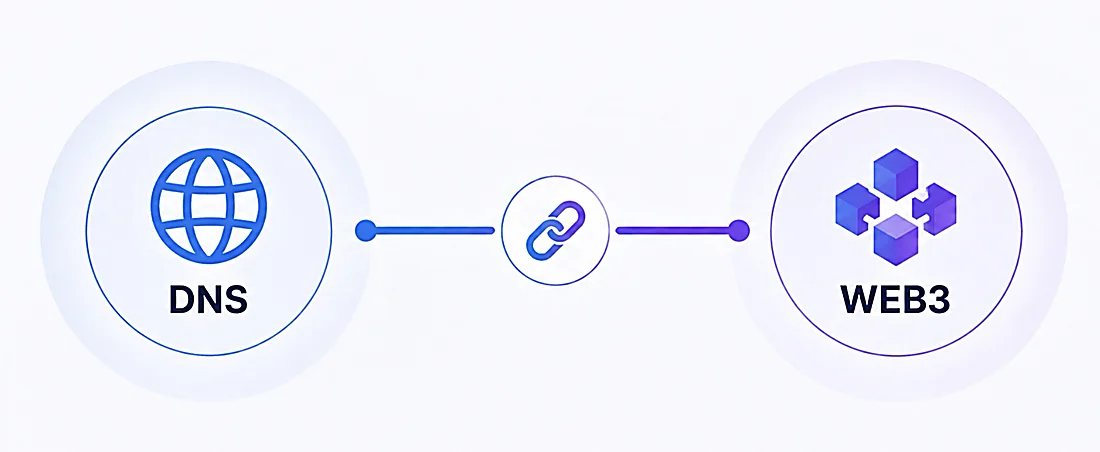
Organizations involved with existing web3 naming systems that want to apply for the matching domain in ICANN’s top level domain program face an uphill challenge.
This stretch, ICANN published a draft note (pdf) from the hastily organized “Technical Study Group on gTLD Integrations with Alternative Naming Systems.”
The group, which included a number of representatives of blockchain namespace firms, was tasked with evaluating how registry operators could offer alt-root domains in another naming system that match their real-root domains.
Many applicants this round want to integrate with existing web3 platforms. The group determined it is possible, but there are some complications.
It seems that the biggest challenge will be for applicants that by now run a web3 namespace since there must be consistency between the web3 namespace and the ICANN root TLD.
Essentially, the draft suggests that any name registered in the alt-root will need to be reserved from the DNS domain. Only the registrant of the alt-root name could register the DNS domain. And the registry will have to ensure that the same party controls both names. This removes some of the anonymity of web3 names, which has been pitched as a benefit.
So an alt-root that has by now launched will see many domains, counting potentially valuable ones, withheld from registration.
This would also complicate sunrise, in which trademark holders are given first rights to domains.
Also, the registry operator will need to control this web3 namespace. They will need to be able to sync domains; if the DNS-root domain is suspended, the alt-root name will need to be suspended, too. This also applies the other way around.
As written, the draft could create some seemingly insurmountable challenges for existing web3 providers. At a minimum, it would be very costly to comply. Registries will need ultimate control over the namespace and the names in it. This could conflict with the general idea of non-fungible tokens.
Any TLD operator that wants to integrate with an alt-root system will be required to file under the Registry Services Evaluation Policy (RSEP), and potentially also a Registry Service Technical Evaluation Panel.
In a blog post, ICANN SVP Theresa Swinehart noted:
The TSG’s initial draft note is intended to provide advice and analysis to the ICANN organization and to update applicants for the Fresh gTLD Program: 2026 Round regarding the group’s preliminary recommendations which, once finalized, could be used in the ICANN organization’s evaluation of such services in the future. Any current or prospective registry operator hoping to run an integrated service is urged to read the initial draft note and provide comment.
There won’t be much time for introspection regarding whether to apply: fresh top level domain name applications are due at 23:59 UTC today. Hopefully, applicants have been following along; the group has published its meeting recordings.