Domain Parking: 2024 in review
There are storm clouds in parking, and this could impact the domain industry at sizable.
You might be surprised that I’m discussing domain parking as a big topic in 2024. While I don’t write regarding parking much these days — given that most domain investors no longer make significant money from it — it remains a meaningful part of the domain industry. This year, there were a number of noteworthy developments.
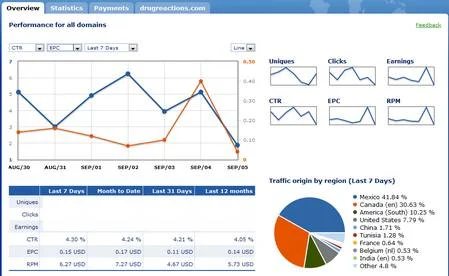
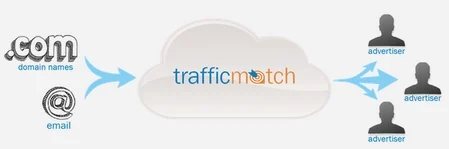
In recent years, domain parking has been supported largely by arbitrage. Some of the largest firms in the space generate significant revenue from arbitrage, which is basically sending traffic from various sources to parking pages. The goal is simple: earn more per visitor from parking than the cost of acquiring that traffic.
One prominent player in the arbitrage space is Team Internet Group. As a publicly traded firm, its financial notes provide insight into the state of domain parking arbitrage. Over the past year, it has faced declining revenue per visitor and increasing costs. It’s getting squeezed from both sides.
And there’s more bad news.
Earlier this year, Google was set to implement fresh requirements for parking pages. Visitors from the European Economic Area (EEA), the UK, and California would need to click a consent banner ahead of viewing any ads on the page.
I’ve heard mixed things regarding how or if this was implemented. While Turkey isn’t in the EEA, when I visited a parked page while in Turkey this November, I couldn’t see any content until clicking a consent banner.
Looking ahead, Google plans to tighten its policies further, which will likely affect short-term revenue. One notable adjustment involves stricter guidelines for how ads are presented, making it harder for parking firms to push the boundaries of ad display practices.
The rationale is simple: ads need to deliver value for advertisers.
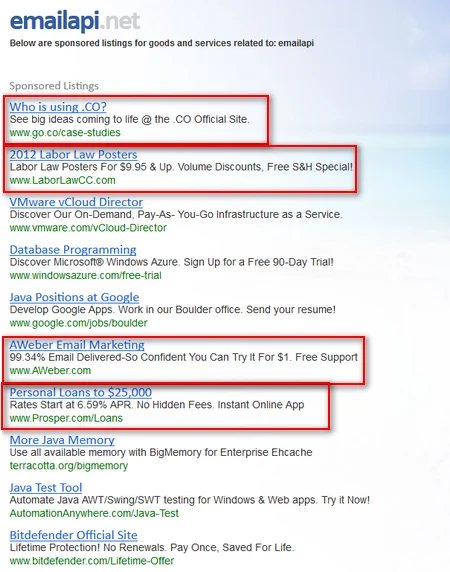
In September, Google disclosed a major shift: ads from fresh Google ad accounts would no longer be shown on parked pages by default. Instead, advertisers will need to opt into parking.
This change reflects the divide between the two sides of Google’s advertising business. One side focuses on advertisers, prioritizing their success and ensuring high-quality conversions. The other side — think Adsense or the publisher side — seeks to maximize revenue for publishers, counting parking firms.
When advertisers aren’t satisfied with results, the publisher side suffers in the long run. Clearly, the advertiser side is signaling that it’s not happy with the results from domain parking.
So, the publisher side is taking steps to improve the quality of traffic sent to advertisers. If visitors click on ads without realizing they’re ads, then conversion rates drop, undermining advertiser trust. To address this, Google’s publisher side is making changes that prioritize transparency and higher-quality traffic, even at the expense of immediate revenue.
That’s not to say domain parking is entirely bleak. In fact, this year Google handed out its first domain parking feed in years.
Still, the current changes could ripple through the domain industry, impacting firms that rely on parking revenue. While parking may not be as lucrative as it once was, it remains a critical revenue source for many domain firms.