
Exploring the Unprecedented Growth of China’s Digital Consumers and Its Impact on the Domain Market
In today’s digital age, the online presence of businesses is paramount. Companies worldwide invest in domain names to establish their digital storefronts, offering products and services to a global audience. The success of these digital ventures hinges critically on the availability and affluence of consumers. The larger and more economically active the consumer base, the greater the sustained demand for domain names will be over time. Therefore, understanding the dynamics of key markets is essential for predicting future trends in the domain industry. Kassey Lee, an astute observer of digital trends, delves into the transformative landscape of China’s digital consumers to forecast the trajectory of this vital market.
China, with its colossal population and rapid technological adoption, stands out as a pivotal region for analyzing digital consumer growth. The nation’s journey into the digital realm has been nothing short of extraordinary, presenting a compelling case study for market analysts and domain investors alike. The continuous expansion of its internet user base directly correlates with an escalating demand for online identities and platforms, making it a critical area of focus for anyone involved in the digital economy.
The Phenomenal Rise of Internet Users in China
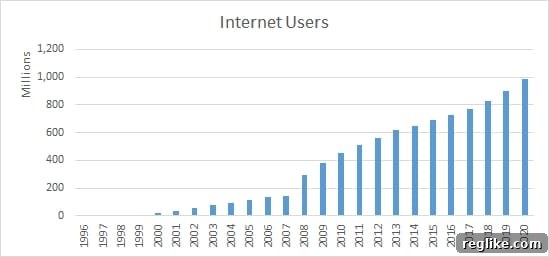
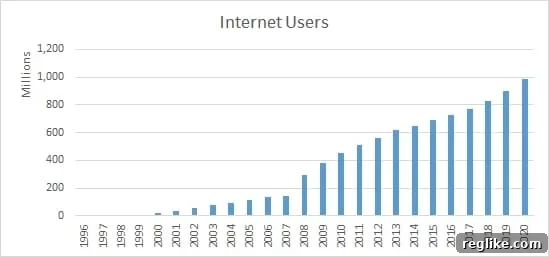
The past two decades have witnessed a remarkable surge in internet adoption across China. The growth trajectory has been consistently robust, transforming the lives of hundreds of millions and reshaping the country’s economic landscape. This sustained expansion is a clear indicator of a healthy, evolving digital ecosystem.
Source: Data compiled from CNNIC reports
As the accompanying chart illustrates, the pattern of growth among internet users in China has been consistently strong, reflecting a nation rapidly embracing digital connectivity. This sustained upward trend is a testament to both governmental initiatives and the organic spread of technology throughout society.
Unlocking Future Potential: A Look at the Numbers
The year 2020 marked another significant milestone for China’s digital revolution. The number of internet users increased by a substantial 9.4%, reaching an astonishing 989 million. While this figure is immense on its own, its true significance becomes apparent when considering the penetration rate. At 70%, this indicates that approximately 7 out of every 10 people in China are now online. This leaves a considerable segment of the population – roughly 30% – yet to connect to the internet.
This remaining non-internet user base represents an enormous reservoir of potential future growth. With China’s total population hovering around 1.41 billion, there are still hundreds of millions who could potentially come online in the coming years. This suggests that the expansion phase is far from over, promising continued growth in internet penetration and, by extension, the digital consumer base. This ongoing expansion ensures a dynamic and evolving market for domain names and online services for the foreseeable future.
Beyond Mere Numbers: The Power of Digital Consumers
While a large number of internet users is a prerequisite, it’s the active participation of these users as consumers that truly fuels the digital economy and drives demand for domain names. The mere presence of users doesn’t automatically translate into economic activity; they must be willing and able to purchase products and services online.
In 2020, China demonstrated its strength in this regard, with an impressive 79% of its internet users engaging in online purchases. This translates to an astounding 782 million digital consumers. This figure underscores the maturity and robustness of China’s e-commerce ecosystem, where a vast majority of online users are active participants in the digital marketplace.
A Scale Unmatched: Comparing China’s Digital Consumer Base
To fully grasp the sheer magnitude of China’s digital consumer market, it’s beneficial to put these figures into a global context. Consider Japan, a highly developed nation with a substantial economy and a well-established digital infrastructure. The number of digital consumers in China – 782 million – is more than six times the entire population of Japan. This staggering comparison highlights the unparalleled scale of China’s online marketplace, making it an indispensable focus for any business seeking to establish a significant digital presence.
This immense consumer pool represents a goldmine for businesses globally, from startups to multinational corporations. Each digital consumer represents potential traffic, sales, and brand engagement, directly influencing the need for a strong, identifiable online presence facilitated by domain names. The sheer volume ensures a competitive yet fertile ground for innovation and expansion.
Drivers of China’s Digital Consumer Boom
Several interconnected factors have fueled China’s remarkable growth in digital consumption:
1. Mobile-First Ecosystem
China is predominantly a mobile-first nation. Smartphones are the primary means of internet access for most users, driving innovation in mobile applications and services. Super-apps like WeChat and Alipay have integrated communication, social networking, e-commerce, and payment functionalities into seamless platforms, simplifying online transactions and making digital life incredibly convenient.
2. E-commerce Dominance and Innovation
Giants like Alibaba (Taobao, Tmall), JD.com, and Pinduoduo have revolutionized online retail. They offer a vast array of products, competitive pricing, efficient logistics, and innovative features such as live-streaming commerce, group buying, and personalized recommendations. These platforms have cultivated a culture where online shopping is not just a convenience but a preferred method for many consumers.
3. Ubiquitous Digital Payments
Cash is rapidly becoming obsolete in China, replaced by mobile payment systems like Alipay and WeChat Pay. The ease and security of these platforms have lowered the barrier to entry for online transactions, making it simple for even first-time digital users to make purchases instantly. This widespread adoption of digital payments is a crucial enabler for the massive e-commerce market.
4. Rising Affluence and Middle Class Expansion
As China’s economy continues to grow, so does the disposable income of its citizens. The expanding middle class, particularly in urban areas, is eager to spend on quality goods, international brands, and diverse services. This increased purchasing power translates directly into higher demand for online products and premium services, further bolstering the digital economy.
5. Robust Digital Infrastructure
Extensive investment in broadband internet, 5G networks, and data centers has provided the necessary backbone for a thriving digital economy. This robust infrastructure ensures fast, reliable access to online content and services, enhancing the user experience and encouraging greater digital engagement.
Implications for the Global Domain Market
The rapid expansion and increasing sophistication of China’s digital consumer base have profound implications for the global domain market:
Increased Demand for New Domain Registrations
As more businesses, both domestic and international, seek to capture a share of China’s lucrative online market, the demand for new domain registrations will inevitably surge. This includes registrations for specific brands, products, services, and campaigns targeting Chinese consumers.
Premium on Localized Domain Names
Domains ending in .cn or other country-code top-level domains (ccTLDs) relevant to China, as well as Chinese-character domains, will likely command a premium. Businesses understand the importance of a localized online presence to resonate with the local culture and language, driving up the value of such domain assets.
Brand Protection and Defensive Registrations
With a market of this size, brand protection becomes a critical concern. Companies will increasingly engage in defensive domain registrations, acquiring variations of their brand names across various TLDs (including new gTLDs) to prevent cybersquatting and ensure their intellectual property is safeguarded within the Chinese digital landscape.
Innovation in Domain Services
The unique characteristics of the Chinese market, such as the prevalence of mobile payments and super-apps, may drive innovation in domain-related services. This could include integrated domain management within e-commerce platforms or new forms of domain verification tailored to the local ecosystem.
Investment Opportunities
For domain investors and registrars, China represents an unparalleled opportunity. Identifying emerging trends, securing valuable localized domains, and understanding the regulatory environment will be key to capitalizing on this burgeoning market. The long-term growth potential makes it an attractive segment for strategic investments.
Challenges and Future Outlook
While the opportunities are vast, businesses entering or expanding within the Chinese digital market must also navigate certain challenges. These include evolving regulatory landscapes, intense competition from established domestic players, and the need for continuous innovation to keep pace with rapidly changing consumer preferences. Data privacy regulations and content restrictions also require careful consideration.
Despite these complexities, the overall outlook remains overwhelmingly positive. The Chinese government continues to promote digitalization as a key driver of economic growth, and the population’s embrace of technology shows no signs of slowing down. As internet penetration approaches saturation, the focus will likely shift from acquiring new users to enhancing engagement and monetization of the existing massive base, further solidifying the demand for robust and identifiable online platforms.
Conclusion
Kassey Lee’s assessment underscores a fundamental truth: the long-term prospect for demand in the domain market is exceptionally strong, largely propelled by the immense and ever-expanding pool of digital consumers in China. With 782 million active online shoppers in 2020 and significant room for internet user growth, China presents an unrivaled market. These consumers are not just online; they are affluent, tech-savvy, and increasingly keen to purchase products and services within the dynamic digital economy.
This powerful combination of scale, affluence, and digital engagement positions China as a cornerstone of the global domain market’s future. For businesses, investors, and digital strategists, understanding and engaging with this market is not merely an option, but a critical imperative for sustained growth and success in the 21st century’s digital landscape. The ongoing digital transformation in China will continue to shape global trends, making its digital consumer growth a key metric for the health and vitality of the domain industry worldwide.