
Obama Campaign Intensifies Legal Battle Over Trademark Infringement and Unauthorized Merchandise Sales
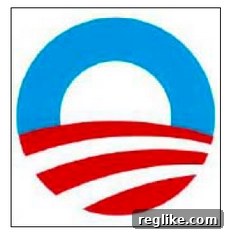
In a significant move to safeguard its valuable intellectual property and critical fundraising channels, Obama for America has initiated a second, resolute lawsuit. The target of this renewed legal action is DemStore.com and Washington Promotions & Printing, Inc., entities accused of selling unauthorized merchandise emblazoned with the campaign’s distinctive “rising sun” trademark. This lawsuit underscores the campaign’s unwavering commitment to protecting its brand identity and ensuring that every dollar from supporter engagement directly benefits its operational objectives.
The Iconic “Rising Sun” Logo: A Symbol Under Threat
At the heart of this legal dispute is the widely recognized “rising sun” logo, a potent symbol that became synonymous with Barack Obama’s presidential campaigns. More than just a graphic, this logo represented hope, progress, and a new dawn for many supporters. Its design, featuring a stylized sun rising over a horizon, quickly became one of the most memorable and effective pieces of political branding in modern history. For millions, it wasn’t merely a logo; it was a rallying point, an emblem of a movement that captured the imagination of a nation and, indeed, the world.
Political logos and branding elements like the “rising sun” are meticulously crafted and strategically deployed. They serve as immediate identifiers, fostering an emotional connection with constituents and voters. They build a cohesive visual identity, helping a campaign cut through the noise and establish a memorable presence. Consequently, any unauthorized use of such a potent symbol represents not only a potential legal breach but also a dilution of the campaign’s carefully cultivated public image and message, potentially confusing supporters about the authenticity and source of merchandise.
Detailed Legal Action Against DemStore.com and Washington Promotions & Printing, Inc.
The lawsuit, officially filed in the U.S. District Court for the District of Columbia on June 1, directly targets DemStore.com and Washington Promotions & Printing, Inc. The campaign alleges that these defendants have been actively engaged in the sale of merchandise that infringes upon the “rising sun” trademark. A quick review of DemStore.com, as noted by the campaign, indeed confirms the presence of such merchandise, substantiating the grounds for the legal challenge. This directly impacts the campaign’s ability to control its brand narrative and capitalize on its intellectual property.
The complaint outlines how these unauthorized sales not only leverage the campaign’s established brand equity without permission but also divert significant resources and opportunities away from Obama for America. The filing emphasizes the critical importance of trademark protection in the context of political campaigning, where brand recognition and supporter trust are paramount. The campaign seeks to halt these sales and recover damages, asserting its exclusive rights to its registered trademarks.
The legal document, which is publicly accessible, meticulously details the instances of alleged infringement and the specific harm incurred by the campaign. It highlights the strategic nature of political branding and the necessity for campaigns to vigorously defend their intellectual property against commercial exploitation by third parties, especially those operating outside official channels.
A History of Litigation: The Previous Encounter
This is not the first time Obama for America has sought legal recourse against these defendants. The campaign previously initiated a lawsuit in October 2011 concerning similar allegations of trademark infringement. However, that initial case took a different turn. In January of the following year, the campaign requested that the court dismiss the case, a motion that was granted “without prejudice.”
The term “without prejudice” is crucial in legal proceedings, as it signifies that the dismissal does not bar the plaintiff from refiling the same claim at a later date. This strategic move can occur for various reasons: perhaps the campaign needed more time to gather additional evidence, refine its legal strategy, or explore settlement options. It might also indicate a tactical decision to re-evaluate the scope and strength of their case before proceeding with full litigation. The decision to refile the lawsuit now suggests that the campaign has fortified its position, gathered further evidence, or determined that the previous issues persist, necessitating renewed legal intervention to definitively resolve the matter. This continuity of legal pursuit underscores the campaign’s persistent concern over the unauthorized use of its brand assets.
The Dual Harm: Financial Losses and Eroded Fundraising Potential
The Obama campaign’s lawsuit asserts that DemStore.com’s sales of unauthorized merchandise inflict harm on multiple, interconnected fronts. These harms extend beyond simple financial loss to impact the core mechanisms of modern political fundraising and supporter engagement.
Direct Revenue Impact from Unauthorized Sales
One of the primary assertions is the significant financial detriment caused by the diversion of merchandise sales. Obama for America states that sales of “rising sun” merchandise constitute a substantial portion of its overall revenue. In the landscape of political campaigning, merchandise sales are not merely an ancillary income stream; they are a vital component of a comprehensive fundraising strategy. Items such as t-shirts, bumper stickers, hats, and other branded products allow supporters to visibly express their allegiance while simultaneously contributing financially to the campaign.
When unauthorized entities like DemStore.com sell identical or confusingly similar merchandise, they effectively siphon off these crucial revenue streams. Supporters who might otherwise purchase items directly from the official BarackObama.com website, thus contributing directly to the campaign’s coffers, instead spend their money with third-party vendors. This direct financial loss can significantly impact a campaign’s operational budget, limiting its ability to fund critical activities such as advertising, field organizing, voter outreach, and staff salaries. The campaign’s ability to compete effectively relies on its capacity to generate and control these essential funds.
The Strategic Value of Supporter Contact Information
Beyond the direct loss of revenue, the lawsuit highlights an equally, if not more, critical strategic harm: the loss of invaluable supporter contact information. The campaign elaborates on its sophisticated approach to fundraising and supporter engagement, explaining that each time an individual makes a small purchase on the official BarackObama.com website, the campaign acquires that customer’s contact information. This data point is far from trivial; it is a golden ticket in the world of political organizing.
Once contact information is obtained, the campaign is then able to “reach out to that individual repeatedly to seek further donations.” This sustained engagement is the bedrock of modern grassroots fundraising. A small initial purchase often signifies an engaged supporter, someone who is likely to respond to subsequent appeals for financial contributions, volunteer efforts, or attendance at events. Without the ability to capture this initial contact data through official merchandise sales, the campaign loses the opportunity to cultivate a long-term relationship with potential major donors and dedicated volunteers. This attrition of potential future donations and lack of direct communication channels represent a significant blow to the campaign’s long-term sustainability and outreach efforts, proving that the value of official sales extends far beyond the immediate transaction.
Understanding Trademark Law in the Political Arena
The Obama campaign’s lawsuit is firmly rooted in the principles of trademark law, which provides legal protection for words, names, symbols, and designs used to identify and distinguish the goods or services of one party from those of others. In the commercial world, trademarks help consumers identify trusted brands. In the political arena, they serve a similar, yet arguably more profound, purpose: helping supporters and voters identify the authentic source of campaign messaging, merchandise, and information.
Political campaigns, just like corporations, invest significant resources in developing and promoting their brands. Logos, slogans, and candidate names become powerful intellectual property assets. The “rising sun” logo, for instance, functions as a service mark, identifying the services provided by the Obama for America campaign. Campaigns register these marks with relevant authorities to secure exclusive rights to their use in connection with political activities, fundraising, and merchandise. This legal protection prevents others from using confusingly similar marks in a way that could mislead the public or capitalize on the campaign’s goodwill.
A key tenet of trademark infringement is the “likelihood of confusion.” If a third party uses a mark that is so similar to a registered trademark that consumers are likely to be confused about the source or affiliation of the goods/services, infringement has occurred. In this case, supporters seeing “rising sun” merchandise sold by DemStore.com might mistakenly believe it is official campaign merchandise, leading to both financial diversion and a potential undermining of the campaign’s brand integrity. Protecting these assets is not just about revenue; it’s about maintaining trust, clarity, and the distinct identity of the political message.
Broader Implications for Political Merchandise and Fundraising
The outcome of this lawsuit carries broader implications for the landscape of political merchandise and fundraising, extending beyond the immediate parties involved. It highlights the increasingly complex ecosystem where official campaign merchandise coexists with a proliferation of unofficial, and often unauthorized, items.
Unauthorized sales can significantly dilute a campaign’s brand message. When merchandise is produced outside official channels, there is no control over its quality, design consistency, or accompanying messaging. This can lead to a fragmented brand identity, where the campaign’s core message is muddied or misrepresented by unofficial products. For political campaigns, where every visual and verbal cue is meticulously planned to convey a specific message and evoke certain emotions, this loss of control can be detrimental.
Furthermore, official merchandise plays a crucial role in grassroots engagement and building a sense of community among supporters. Wearing a campaign t-shirt or displaying a bumper sticker is a public declaration of support, fostering a collective identity. When these items are purchased through official channels, supporters not only contribute financially but also reinforce their direct connection to the campaign. Unauthorized sales interrupt this direct relationship, potentially creating a disconnect between the supporter’s tangible expression of loyalty and their direct contribution to the campaign’s success. The lawsuit, therefore, serves as a crucial reminder of the importance of maintaining clear, official channels for supporter engagement and financial contributions.
The Obama Campaign’s Stance on Intellectual Property
The decision by Obama for America to pursue this lawsuit so vigorously, especially after a previous dismissal, sends a clear and unequivocal message: the campaign is resolute in its stance on protecting its intellectual property. This firm position is not merely about financial recovery; it’s about asserting the fundamental right of a political organization to control its brand, its message, and its fundraising mechanisms.
By taking legal action, the campaign aims to deter other potential infringers who might consider capitalizing on its highly recognizable trademarks for commercial gain without authorization. This lawsuit serves as a precedent, emphasizing that political campaigns, like any other entity that develops valuable intellectual property, will defend their assets against unauthorized use. It underscores the principle that the goodwill and recognition built around a campaign’s brand belong exclusively to that campaign.
Moreover, safeguarding its intellectual property reinforces transparency and trust with its donor base. Supporters who contribute to a campaign, whether through direct donations or the purchase of merchandise, do so with the expectation that their funds are directly supporting the campaign’s objectives. When unauthorized vendors sell merchandise, it can create confusion and erode donor confidence, making it unclear where their money is truly going. The campaign’s legal efforts aim to ensure that supporters can confidently engage with and contribute to the official campaign, knowing their support directly impacts its mission.
Conclusion: Safeguarding Campaign Assets in the Digital Age
Obama for America’s renewed legal battle against DemStore.com and Washington Promotions & Printing, Inc. encapsulates the multifaceted challenges faced by political campaigns in the modern digital era. This lawsuit is not just about a logo; it is about protecting vital revenue streams, preserving critical avenues for donor engagement, and maintaining the integrity of a well-established political brand. The “rising sun” logo is more than just an image; it is a symbol of a movement, carefully cultivated and fiercely defended.
As political fundraising increasingly relies on online commerce and direct digital engagement, the importance of robust intellectual property protection has never been greater. Campaigns must navigate a landscape where their branding can be instantly copied and disseminated, often outside their control. This lawsuit underscores the necessity for political entities to be proactive and assertive in defending their trademarks against unauthorized commercial exploitation.
Ultimately, this legal action serves as a crucial reminder of the strategic value of campaign branding and the sophisticated mechanisms employed in contemporary political fundraising. Its resolution will undoubtedly set an important precedent for how political campaigns can and must safeguard their invaluable assets in an increasingly interconnected and commercially driven world, ensuring that the resources generated by supporter loyalty genuinely fuel their electoral objectives.