
Maximize User Engagement on Your Website: Proven Strategies for Success
So, you’ve launched your website on WordPress, a digital space born from one of your carefully chosen domain names. Congratulations! But the journey has just begun. The crucial next step is attracting a steady stream of traffic and, more importantly, compelling visitors to stay, explore, and return. In today’s competitive online landscape, simply having a website isn’t enough. You need to actively cultivate user engagement.
The question then becomes: how do you transform casual visitors into engaged users? How do you make your website a destination they want to revisit?
This comprehensive guide delves into actionable strategies to capture the attention of a wider audience and significantly enhance user engagement on your website. In a digital world saturated with options, where your website competes with established players boasting extensive traffic and resources, standing out requires a strategic approach.
Ultimately, the longer a visitor spends exploring your website, the higher the likelihood they’ll take a desired action, leading to increased conversions and business growth. Let’s explore the proven techniques to achieve this.
Key Strategies to Enhance Website User Engagement
1. Master the Art of Internal Linking
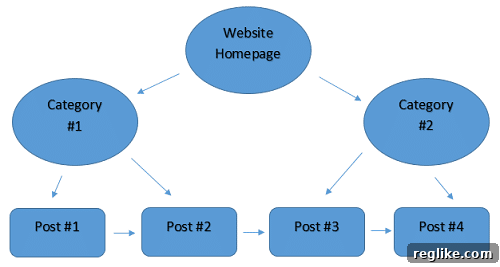
Strategic internal linking is a cornerstone of boosting user engagement on your WordPress website. Beyond its positive impact on search engine rankings (driving more organic traffic), internal linking encourages visitors to delve deeper into your content. By seamlessly connecting related articles, pages, or resources, you create a cohesive and navigable experience.
Internal links guide visitors through your website, making navigation intuitive and efficient. They also direct users to your most important content – the pages where you want them to take action, whether it’s signing up for a newsletter, making a purchase, or contacting you for more information. Well-placed internal links act as a roadmap, guiding visitors toward your desired outcomes.
2. Leverage Website Behavior Analytics

Understanding how visitors interact with your website is paramount. Metrics like average session duration and bounce rate provide valuable insights into user engagement. Thankfully, numerous free and affordable analytics solutions exist to track these key indicators.
Google Analytics, a free and robust online tool (and also available as a WordPress plugin), offers a wealth of data to help you optimize your website. By analyzing user behavior, you can identify high-performing content that resonates with your audience and pinpoint areas where visitors are disengaging and leaving your site.
Use this data to refine your content strategy, improve website design, and create a user experience that keeps visitors engaged and coming back for more. Identifying content that readers love allows you to create more of what they want, while understanding what causes visitors to leave allows you to address those pain points and retain their attention.
3. Implement Compelling Calls to Action (CTAs)
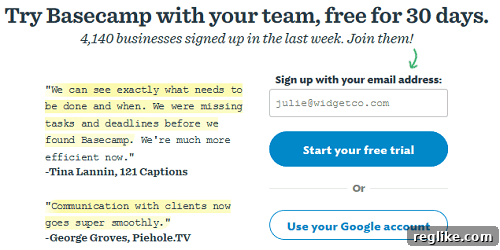
Clear and persuasive Calls to Action (CTAs) are essential for guiding visitors towards specific goals. Whether you want them to subscribe to your newsletter, make a purchase, request a quote, or schedule an appointment, you need to explicitly tell them what to do. Vague or absent CTAs can lead to missed opportunities and lost conversions.
Direct visitors with visible, easily understandable, and persuasive CTA buttons. Pay close attention to the copy you use, the placement of the buttons, and the color choices. The CTA should stand out visually and clearly communicate the desired action. Consider using action-oriented verbs and creating a sense of urgency.
Moreover, ensure that your CTAs are relevant to the content your visitors are currently viewing. A well-placed CTA seamlessly integrates with the user’s journey, providing a logical next step and maximizing the likelihood of conversion. A generic CTA placed randomly on a page is less effective than a contextually relevant one that addresses the user’s immediate needs or interests.
4. Foster Interaction and Engagement
Visitors appreciate when website owners actively participate in the conversation. Engaging with your audience establishes you as an authority in your industry and humanizes your brand.
Make a conscious effort to respond to as many comments as possible on your blog posts and articles. Address inquiries received through your website’s contact forms promptly and thoroughly. Show visitors that you value their input and are committed to providing excellent customer service.
Additionally, cultivate a relationship with your audience through a regular newsletter. Use your newsletter to announce new content, promote special offers, and encourage visitors to engage with your website on social media. A well-crafted newsletter can be a powerful tool for nurturing leads and driving repeat traffic to your site.
5. Diversify Your Content Formats
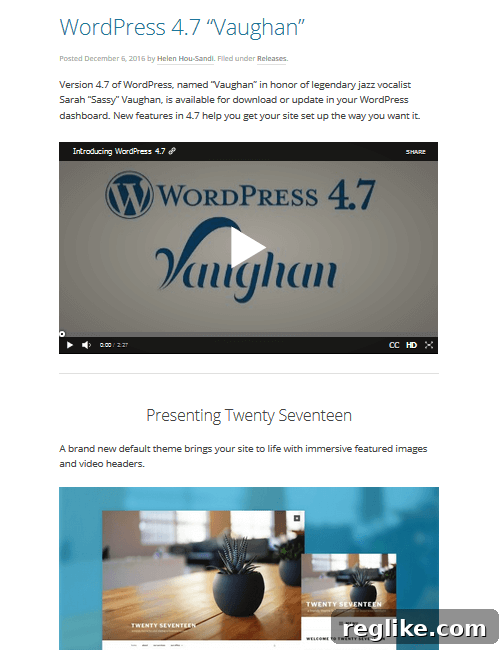
Building a highly trafficked website requires dedication and hard work. Success doesn’t happen overnight. While high-quality content is essential, it’s not enough. You need to diversify your content formats to cater to different learning styles and preferences. Visual learners, auditory learners, and kinesthetic learners all engage with content in different ways.
Here’s why variety is crucial:
- Captures the Attention of New Visitors: Diverse content formats are more likely to grab the attention of new visitors and entice them to explore your website further.
- Caters to Diverse Preferences: Different people prefer different types of content. Offering a mix of formats ensures that everyone can find something that resonates with them.
- Enhances Visual Appeal: A visually appealing website is more engaging and keeps visitors on your site longer.
Incorporate a variety of media types into your website, including written text, images, videos, slideshows, quotes, graphics, and anything else you think your readers will find valuable. By catering to different preferences, you create a more inclusive and engaging experience for all visitors.
When visitors find content that resonates with them, they’re more likely to become engaged and take the desired action, whether it’s making a purchase, subscribing to your newsletter, or sharing your content with others.
Conclusion: Creating a Lasting Impression
Boosting website engagement is about creating an accessible and engaging experience for all types of visitors. The strategies outlined above are designed to increase conversation, feedback, and desired actions on your website. By implementing these techniques, you can transform casual visitors into loyal advocates for your brand.
When you combine meaningful conversations, valuable feedback, and clear calls to action, you’re more likely to see a reduction in bounce rates, an increase in average session duration, and a significant improvement in conversions. These are the hallmarks of a successful and engaging website.
Ultimately, by prioritizing user engagement, you create a website that visitors want to return to, fostering a loyal audience and ensuring the long-term success of your online presence. Invest in these strategies, and watch your website thrive.