
Google Domains: Reshaping the Landscape of Domain Registration
A comprehensive analysis of Google’s venture into the domain name market and its implications for businesses and the domain industry.
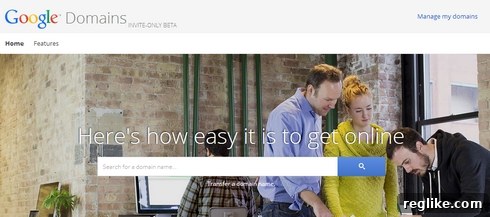
The domain name industry is undergoing a significant transformation. A prediction made months ago suggested a major shift: GoDaddy’s reign as the top domain name registrar would soon be challenged, with Google potentially taking the lead.
Google Domains: A Direct Leap into the Registrar Market
This prediction seemed audacious at the time, as Google had not yet directly offered domain name registrations to the public, instead directing users to partner registrars. However, Google recently announced its official entry into the retail registrar market with the launch of Google Domains. This move signifies a crucial turning point in how businesses establish their online presence.
Furthermore, Google’s registration of various Donuts new TLDs, even those still in the sunrise phase, hints at a strategic approach to future domain offerings. It may have registered domains such as domaintest.TLD
A Look Back: Google’s Initial Foray into Domain Registration
To understand the significance of this development, it’s essential to revisit Google’s initial involvement with domain names. Google became an ICANN-accredited domain name registrar with a primary goal that differed from direct public sales. Initially, Google aimed to leverage domain name data to refine its search algorithms.
The strategy focused on mitigating search spam and gaining better insights into expired domains, allowing Google to track ownership changes more effectively. While Google eventually offered domain names through its website, these services were facilitated through partnerships with established registrars like GoDaddy and eNom.
2014: The Year Google Takes Direct Control
In 2014, Google shifted its strategy by deciding to sell domains directly to the public, marking a pivotal change in its domain name operations.
Driving Forces Behind Google’s Domain Venture
Several key factors propelled Google’s decision to enter the domain registration market directly.
- Expanding Online Business Presence: Google has a significant interest in onboarding as many businesses as possible. This allows them to get integrated into the Google ecosystem, which includes Google Apps, Gmail, and Google Pages.
- Monetization Through Google Adwords: Getting businesses online opens opportunities for Google to market its advertising platform, Google Adwords.
- New Top-Level Domains (TLDs): Google is a major applicant for new TLDs. They are seeking to offer domain names like .blog, .app, and .lol to the public. Google has a massive distribution channel which will allow it to promote its own TLDs to the public.
By offering a streamlined domain registration process, Google aims to simplify the path for businesses to establish their online identity. Imagine a pet sitter in Mobile, Alabama, effortlessly registering a .pet domain through Google Domains, seamlessly integrating email and website functionalities. This streamlined process eliminates the complexities often associated with setting up an online presence.
Google is partnering with services such as Wix to alleviate the burdens of web hosting and intensive customer support.
The Strategic Imperative: Streamlining Online Access
Google’s primary motivation extends beyond mere profit margins on domain sales. Its core objective is to facilitate the online onboarding of businesses, providing them with a seamless and efficient pathway to establish their digital presence.
It’s also likely that Google will prioritize its own TLDs in the domain search results. It is unlikely that .com will show up at the top of Google’s domain results for long.
Impact on Existing Domain Registrars: A Competitive Analysis
The impact of Google’s entry on established registrars like GoDaddy remains to be seen. It largely hinges on Google’s level of commitment and execution. Google has a history of launching services that are predicted to dominate markets, only to be discontinued later. Therefore, sustained dedication is essential for Google Domains to achieve its full potential.
Furthermore, Google’s target demographic is primarily businesses seeking to create an online presence, rather than seasoned domain investors. Other registrars will likely continue to cater to domain investors. However, it is worth noting that GoDaddy’s primary focus is not domain investors, either.
Google will likely rely on other registrars to distribute its own TLDs, at least initially. Depending on long run plans and predictions, Google will also rely on other registrars to distribute its own TLDs, too.
Implications for New Top-Level Domain Registries
The launch of Google Domains could have the most profound impact on new TLD registries. If Google successfully disrupts the market, established registrar market leaders might be compelled to adopt more accommodating strategies toward these registries. However, Google will need to carefully navigate the landscape to avoid potential regulatory scrutiny regarding exclusive promotion of its own TLDs.
A Catalyst for Growth in New TLD Awareness
Google’s entrance into the registrar market could be the most significant development for new TLDs. The increased visibility and awareness generated by Google’s platform will create growth for the entire industry.
The Future of Google Domains: A Dynamic Landscape
The future of Google Domains promises a dynamic and evolving landscape. As Google continues to refine its services and expand its reach, it is poised to reshape the domain registration market. The emphasis on user-friendliness, seamless integration with other Google services, and a focus on helping businesses establish their online presence are all key factors that could contribute to Google Domains’ success. The success of Google Domains depends on the tech giant’s ability to stay agile and adaptive in a constantly changing digital world.
The industry will keenly observe how Google manages its relationships with other registrars, its approach to promoting its own TLDs, and its overall commitment to the domain registration market. The impact on established players, the growth of new TLDs, and the increased accessibility of online business presence are all potential outcomes that will shape the future of the internet landscape.