
Domain Name Dispute: Kids’ Entertainment Website Files Cybersquatting Lawsuit Over Scratch.org
Scratch Foundation, a well-regarded non-profit organization that originated from the prestigious Massachusetts Institute of Technology (MIT), has initiated a legal battle by filing an in rem lawsuit against the owner of the domain name Scratch.org. The foundation’s central claim is that the domain is being used for cybersquatting, a practice they deem detrimental to their brand and mission.
The Scratch Foundation currently operates primarily through two domain names: scratch.mit.edu and scratchfoundation.org. While both websites serve the organization’s goals, they feature distinct content and cater to different aspects of the foundation’s operations. Notably, the scratchfoundation.org domain was registered in 2015, solidifying the foundation’s online presence.
The roots of this legal dispute trace back to 2015 when Scratch Foundation first contacted the owner of the Scratch.org domain. Hoping to acquire the domain name, the foundation offered a sum under $5,000. However, according to the lawsuit filed by the foundation, the domain owner countered with a staggering demand of $450,000. Adding another layer to the conflict, the Scratch.org website purportedly began displaying advertisements related to credit repair shortly after this initial negotiation.
In 2017, Scratch Foundation revisited the possibility of acquiring the domain, increasing their offer to $10,000. The domain owner allegedly responded by raising their asking price to $650,000. The foundation’s lawsuit emphasizes that this price is over 700 times the domain’s estimated value, according to automated valuation tools like EstiBot. It’s important to note that Scratch Foundation initiated these discussions, proactively reaching out to the domain owner to explore a potential purchase.
A crucial aspect of the case revolves around the alleged infringement of the Scratch Foundation’s trademark by the Scratch.org domain. However, a closer examination reveals a lack of concrete evidence supporting this claim. The lawsuit states that:
“…the registrant of the Defendant Domain Name may possess an intention to divert consumers from Scratch Foundation’s online locations to a site accessible under the Defendant Domain Name that could harm the goodwill represented by the SCRATCH mark…”
And further that:
“…the registrant of the Defendant Domain Name could configure the Defendant domain name to confuse and/or deceive young children…”
The repeated use of words like “may” and “could” raises significant questions about the validity of the infringement claim. These terms suggest a hypothetical scenario rather than demonstrable harm. It could be argued that such language could be applied to virtually any valuable single-word domain name to insinuate potential trademark infringement.
The lawsuit also alleges that the domain owner provided false contact information during the registration process. However, this claim is immediately contradicted by the subsequent statement that the registrant’s identity is protected by privacy services. This apparent contradiction weakens the foundation’s argument and raises further questions about the accuracy of their claims.
Scratch Foundation asserts that they have been unable to ascertain the identity of the domain owner due to Whois privacy protection. This begs the question: how did the foundation manage to communicate with the owner to make purchase offers in the first place? The lawsuit curiously omits any documentation of this crucial communication, a significant oversight given its central role in the plaintiff’s case.
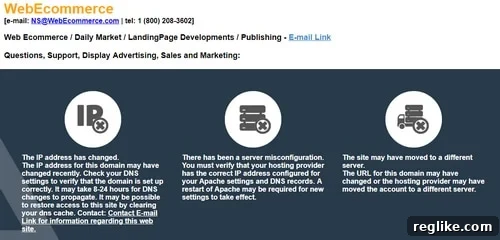
As of today, the Scratch.org landing page features a phone number and email address. While it remains unclear whether this contact information belongs to the domain owner or a technical provider, its presence challenges the foundation’s claim that the owner is entirely unreachable. Even if the contact information leads to a technical provider, it demonstrates a level of transparency that contradicts the notion of a deliberately hidden owner.
Regardless of the specifics, it’s evident that Scratch Foundation was able to communicate with the domain owner previously, making the lack of documentation in the lawsuit all the more puzzling.
The Scratch Foundation is represented by David Weslow of Wiley Rein, an attorney specializing in domain theft cases and reverse domain name hijacking disputes. While Weslow has a proven track record of defending domain owners, this particular case raises concerns about potential reverse domain name hijacking, especially when viewed through the lens of the Uniform Domain Name Dispute Resolution Policy (UDRP) rules. Weslow’s past work includes defending grandma Heidi Powell pro bono and representing AddictingGames.com in a cybersquatting case against Addicting.com, the latter exhibiting clearer evidence of infringement. While attorneys are free to represent various clients, the arguments presented in this case could potentially contradict defenses previously made by domain owners in other cases, particularly regarding the right to set a desired price for a domain name.
Understanding Cybersquatting and Domain Name Disputes
This lawsuit highlights the complex and often contentious world of domain name disputes, particularly concerning cybersquatting. Cybersquatting, in essence, involves registering, using, or selling a domain name with the intent to profit from the goodwill of a trademark belonging to someone else. In this case, Scratch Foundation argues that the owner of Scratch.org is engaging in cybersquatting by attempting to profit from the reputation and brand recognition associated with the “Scratch” trademark.
However, proving cybersquatting can be challenging. Courts typically consider several factors, including the similarity between the domain name and the trademark, the intent of the domain name registrant, and whether the domain name is being used in a way that is likely to cause confusion among consumers. The absence of demonstrable infringement, as evidenced by the “may” and “could” language in the lawsuit, weakens Scratch Foundation’s claim.
The Role of Domain Appraisals in Legal Disputes
The lawsuit also brings to the forefront the role of domain appraisals in legal disputes. Scratch Foundation emphasizes that the asking price for Scratch.org is significantly higher than the domain’s estimated value, as determined by automated valuation tools. However, it’s crucial to recognize that domain appraisals are not definitive and can vary widely depending on the methodology used. Moreover, the perceived value of a domain name is often subjective and influenced by factors such as its memorability, relevance to a particular industry, and potential for branding.
While domain appraisals can provide a useful starting point for negotiations, they should not be the sole determinant of a domain’s fair market value. Ultimately, the price that a willing buyer is prepared to pay is the most accurate reflection of a domain’s worth.
Reverse Domain Name Hijacking Concerns
The case also raises concerns about potential reverse domain name hijacking, a practice where a trademark owner attempts to unfairly acquire a domain name from its legitimate owner. This can occur when a trademark owner asserts trademark infringement without sufficient evidence or uses legal threats to intimidate the domain owner into surrendering the domain name.
Given the lack of concrete evidence of infringement in the Scratch.org case, the high asking price for the domain, and the Scratch Foundation’s aggressive legal action, it is essential to carefully consider the possibility of reverse domain name hijacking. Protecting the rights of domain owners is crucial to maintaining a fair and balanced domain name ecosystem.
The Importance of Clear Communication and Transparency
This dispute underscores the importance of clear communication and transparency in domain name transactions. The conflicting claims about the domain owner’s identity and the lack of documentation regarding the initial purchase offers create a cloud of uncertainty around the case. Open and honest communication between parties can often help to resolve disputes amicably and avoid costly legal battles.
By fostering a more transparent domain name market, we can reduce the risk of misunderstandings and create a more level playing field for both trademark owners and domain name investors.
The Future of the Scratch.org Domain
The future of the Scratch.org domain remains uncertain pending the outcome of the lawsuit. The court will need to carefully weigh the evidence presented by both sides and determine whether the domain owner is indeed engaging in cybersquatting. The decision in this case could have significant implications for other domain name disputes and could shape the legal landscape surrounding domain name ownership and trademark protection.
Whether Scratch.org will continue to operate under its current ownership or ultimately be acquired by Scratch Foundation is a question that only the courts can answer.