
Apple Secures Explicit iPhone Domain Names After WIPO Complaint: A Victory for Brand Protection
In a significant move to safeguard its globally recognized brand, technology giant Apple Inc. has successfully taken ownership of seven contentious domain names, including the highly sought-after iphonesex4s.com. This triumph follows a formal complaint lodged by the Cupertino-based company with the World Intellectual Property Organization (WIPO), marking a crucial win against cybersquatting and the misuse of its intellectual property in the digital realm.
The resolution of this high-profile case sees Apple gaining control over a portfolio of domains that were predominantly explicit in nature, explicitly leveraging the “iPhone” brand to attract traffic to mobile porn sites. This aggressive stance underscores Apple’s unwavering commitment to protecting its brand integrity and ensuring a safe online environment for its users, free from unwanted associations with illicit content.
The Anatomy of a Cybersquatting Dispute: Apple’s Proactive Approach
Cybersquatting, the practice of registering, trafficking in, or using a domain name with bad faith intent to profit from the goodwill of a trademark belonging to someone else, remains a persistent challenge for major brands. For a company like Apple, whose brand name is synonymous with innovation, quality, and user experience, the unauthorized use of its trademarks, especially in conjunction with explicit content, poses a direct threat to its reputation and user trust.
Apple’s action against the owner of these seven domain names is a clear demonstration of its proactive brand protection strategy. The company initiated a complaint through the WIPO Arbitration and Mediation Center, a leading provider of dispute resolution services for domain names under the Uniform Domain Name Dispute Resolution Policy (UDRP). The UDRP provides trademark owners with an efficient and cost-effective mechanism to combat cybersquatting without resorting to lengthy and expensive court battles.
To succeed in a UDRP complaint, Apple typically needed to demonstrate three key elements: first, that the domain names are identical or confusingly similar to a trademark in which it has rights; second, that the domain name registrant has no rights or legitimate interests in respect of the domain names; and third, that the domain names have been registered and are being used in bad faith. Given the explicit nature of most of the contested domains and their clear intent to capitalize on the iPhone brand, Apple’s case was likely very strong.
Unveiling the Contested Domains: A Direct Threat to Brand Image
The seven domain names at the heart of this dispute were all designed to exploit the immense popularity of the iPhone, particularly the then-current iPhone 4S model. When visited on a mobile device, these domains uniformly redirected users to a mobile pornographic website, creating a highly undesirable and damaging association for Apple’s brand.
The list of domain names targeted by Apple included:
- iphonecamforce.com
- iphonecam4s.com
- iphoneporn4s.com
- iphonesex4s.com
- iphonexxxforce.com
- iphone4s.com
- porn4iphones.com
While most of these domains explicitly indicated their illicit content, the presence of iphone4s.com among them highlights another facet of cybersquatting: the registration of key product names or model numbers. This particular domain posed a unique threat, as it could easily mislead users legitimately searching for information about the iPhone 4S model, potentially diverting them to inappropriate content and tarnishing Apple’s reputation by proxy. The inclusion of “4S” in several other explicit domains further cemented the intent to leverage the specific popularity of the then-current iPhone model.
From Complaint to Resolution: The Handover Process
Initially, when Apple filed its complaint, the ownership information for these domains was shielded by a WHOIS privacy service, a common tactic employed by cybersquatters to obscure their identities. However, this privacy protection was later removed, revealing that an Israeli company was the registrant behind the controversial domain names.
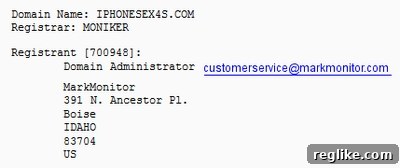
The legal pressure exerted by Apple through WIPO ultimately led to a swift resolution. Rather than proceeding with a full WIPO panel decision, the owner of the domains agreed to voluntarily transfer them to Apple. This agreement effectively terminated the WIPO case, saving both parties further legal costs and demonstrating the effectiveness of the UDRP as a dispute resolution mechanism. Following the agreement, the WHOIS records for these domains were updated, reflecting a change of ownership to MarkMonitor, a leading brand protection company that frequently manages domain portfolios for major corporations like Apple.
The transfer of ownership to MarkMonitor signals Apple’s full control over these assets. The change in ownership is concretely reflected in updated WHOIS records, as shown below:
The Post-Transfer Landscape: Technicalities and Future Actions
While the domain names have been successfully transferred to Apple’s control via MarkMonitor, it was initially observed that some of these domains continued to forward to the original pornographic sites. This common occurrence after a domain transfer is due to the way the internet’s Domain Name System (DNS) works. When ownership of a domain changes, the domain’s nameservers, which point to the hosting provider and ultimately the content, need to be updated. There is a propagation period during which the old DNS records might still be active across various internet resolvers.
This situation meant that Apple and MarkMonitor needed to swiftly update the nameserver settings for all seven domains to point to Apple’s own servers or simply to park them. Once the DNS propagation is complete – a process that can take anywhere from a few hours to 48 hours – the domains would no longer redirect to the illicit content. It is highly improbable that Apple intends to “resolve” or actively use any of these explicit domain names for public-facing content, with the notable exception of iphone4s.com, which could potentially be redirected to official Apple product archives or support pages.
Broader Implications for Brand Protection in the Digital Age
This case serves as a powerful reminder for businesses worldwide about the critical importance of proactive brand protection in the increasingly complex digital landscape. Cybersquatting not only poses a financial threat in terms of potential lost traffic and sales but also carries significant risks to a brand’s reputation, trust, and consumer perception. The internet’s global reach means that malicious actors can operate from virtually anywhere, making diligent monitoring and swift legal action indispensable.
For brands with significant online presence and valuable trademarks, regular domain monitoring services are crucial. These services can detect newly registered domains that are identical or confusingly similar to a company’s trademarks, allowing for early intervention before significant damage occurs. Furthermore, understanding the mechanisms available, such as the UDRP and WIPO complaints, empowers companies to defend their intellectual property rights effectively and efficiently.
The resolution of this case also sends a clear message to potential cybersquatters: engaging in such activities, particularly those involving explicit or harmful content linked to established brands, will likely result in legal action and the eventual loss of the contested domains. Trademark holders, armed with policies like the UDRP, are increasingly assertive in safeguarding their digital assets.
Conclusion: A Firm Stance for Brand Integrity
Apple’s successful acquisition of iphonesex4s.com and its associated explicit domain names, alongside the significant iphone4s.com, represents more than just a legal victory; it is a profound statement about the company’s commitment to maintaining the purity and integrity of its brand. By leveraging the UDRP and WIPO’s arbitration services, Apple efficiently addressed a direct threat to its reputation and solidified its control over vital intellectual property. This case underscores the ongoing necessity for brands to remain vigilant against cybersquatting and to actively enforce their rights in the ever-evolving digital world, ensuring that their online presence remains consistent with their core values and user expectations.