
Is DNS Abuse Really Decreasing? An In-Depth Look at ICANN’s Report
Recent analysis from ICANN suggests that concerns about DNS abuse spiraling out of control may be overstated. This report offers a surprising perspective amidst the growing focus on combating malicious activities within the Domain Name System.
ICANN (Internet Corporation for Assigned Names and Numbers) recently published a comprehensive report summarizing the trends in DNS abuse over the past few years. With the increased attention and resources dedicated to tackling DNS abuse, including the formation of new organizations focused on this issue, the report’s conclusion is somewhat unexpected: the data indicates that DNS abuse, on the whole, appears to be decreasing.
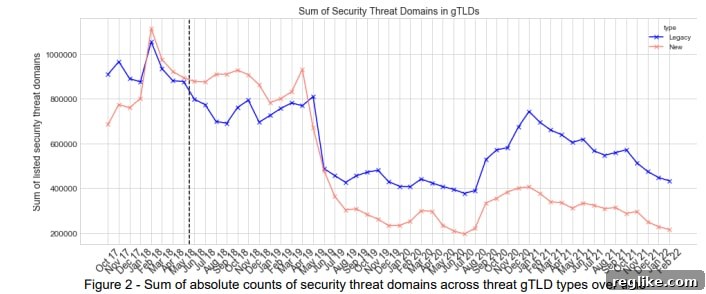
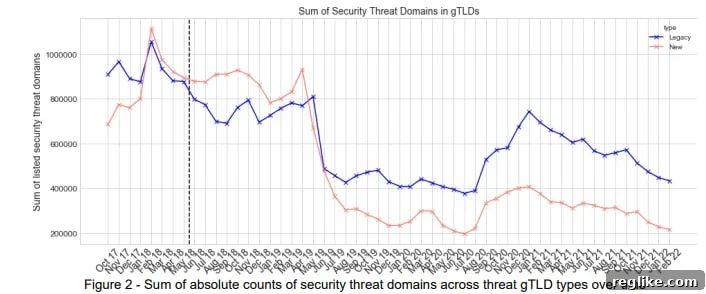
This data was initially previewed by ICANN CEO Göran Marby at a recent ICANN meeting, where he presented a key chart highlighting the trend. The implications of this data are significant, and its interpretation is crucial for shaping future strategies in addressing online security threats. The report’s findings are also discussed in detail on a recent podcast featuring Internet Commerce Association General Counsel Zak Muscovitch.
Understanding the Data: Long-Term Trends vs. Snapshots
One of the key points highlighted in ICANN’s report is the importance of considering long-term trends when analyzing DNS abuse. Many assessments of DNS abuse are based on “snapshots” in time, providing a limited perspective. However, when examining recorded DNS abuse data over an extended period, particularly data aggregated from various blocklists, a clear downward trend emerges. This decline is evident in both the absolute number of domains involved in abusive activities and in the normalized data, which accounts for the overall number of registered domains.
This distinction between short-term snapshots and long-term trends is crucial for developing effective strategies to combat DNS abuse. Focusing solely on isolated incidents or short-term spikes in abuse can lead to reactive measures that may not address the underlying issues. A more holistic approach, informed by long-term data analysis, allows for the development of proactive and sustainable solutions.
The Role of Spamhaus in the Decline
The report identifies a significant factor contributing to the overall decline in DNS abuse: a reduction in the number of spam domains reported by Spamhaus, a leading organization in the fight against spam and related cyber threats.
Spamhaus maintains several blocklists that are widely used by internet service providers (ISPs) and other organizations to identify and block malicious domains. A decrease in the number of spam domains reported by Spamhaus suggests a potential improvement in the overall spam landscape, which, in turn, contributes to the observed decline in DNS abuse metrics. However, it is important to note that this is just one factor among many, and other contributing factors should also be considered.
Caveats and Considerations: A Nuanced Perspective
While the ICANN report presents a compelling case for a decrease in DNS abuse, it is important to acknowledge the potential for different interpretations and perspectives. As the report itself acknowledges, the data can be analyzed and presented in various ways to support different conclusions. The time period considered, the specific data providers included, and the definition of DNS abuse used can all influence the observed trends.
For instance, focusing on a shorter time period or limiting the analysis to specific data sources could reveal different trends. Similarly, adopting a broader or narrower definition of DNS abuse could significantly impact the reported numbers. It is crucial to consider these nuances when interpreting the data and drawing conclusions about the overall state of DNS abuse.
It is also essential to recognize that the nature of DNS abuse is constantly evolving. As security measures improve, malicious actors adapt their tactics, making it challenging to accurately track and quantify the full extent of the problem. New forms of abuse may emerge that are not adequately captured by existing monitoring systems, leading to an underestimation of the true level of malicious activity.
“It’s Bad, But Getting Better”: A Balanced Approach
Despite the potential for varying interpretations, the ICANN report offers a valuable perspective on the ongoing efforts to combat DNS abuse. While the problem remains significant and requires continued attention and resources, the data suggests that progress is being made.
Perhaps a more appropriate mantra for tackling DNS abuse is: “It’s bad, but getting better.” This balanced approach acknowledges the severity of the issue while also recognizing the positive trends and the effectiveness of ongoing mitigation efforts.
This perspective encourages a continued commitment to improving security measures, developing innovative solutions, and fostering collaboration among stakeholders. By focusing on long-term strategies and adapting to the evolving nature of DNS abuse, we can continue to make progress in creating a safer and more secure online environment.
The Importance of Continued Vigilance
The apparent decline in DNS abuse should not be interpreted as a signal to relax our efforts. On the contrary, it underscores the importance of maintaining and strengthening our vigilance. The battle against malicious actors is an ongoing one, and complacency can quickly lead to a resurgence of abusive activities.
Continued investment in research and development is crucial for staying ahead of emerging threats and developing effective countermeasures. Collaboration among industry stakeholders, law enforcement agencies, and international organizations is essential for sharing information, coordinating responses, and disrupting malicious networks.
Furthermore, raising awareness among domain name registrants and internet users about the risks of DNS abuse and promoting best practices for online security can help to prevent abuse from occurring in the first place. By working together, we can create a more resilient and secure DNS ecosystem that protects users from the harmful effects of DNS abuse.
Looking Ahead: Future Directions in DNS Abuse Mitigation
The ICANN report provides a valuable foundation for future research and policy development in the area of DNS abuse mitigation. Further analysis is needed to identify the specific factors contributing to the observed decline and to assess the effectiveness of different mitigation strategies.
Future research should also focus on developing more comprehensive metrics for measuring DNS abuse and on improving the accuracy and reliability of data collection methods. This will enable a more nuanced understanding of the problem and facilitate the development of targeted interventions.
In addition, further exploration of emerging technologies, such as machine learning and artificial intelligence, may offer new opportunities for detecting and preventing DNS abuse. These technologies can be used to analyze large volumes of data, identify patterns of malicious activity, and automate responses to threats.
By continuing to learn, adapt, and innovate, we can strengthen our defenses against DNS abuse and create a more secure and trustworthy online environment for all.
Conclusion: A Reason for Optimism, a Call for Action
The ICANN report’s findings offer a glimmer of optimism in the ongoing fight against DNS abuse. While the problem remains a significant concern, the data suggests that progress is being made. However, this progress should not lead to complacency. Continued vigilance, collaboration, and innovation are essential for maintaining the momentum and ensuring a safer online experience for everyone.