
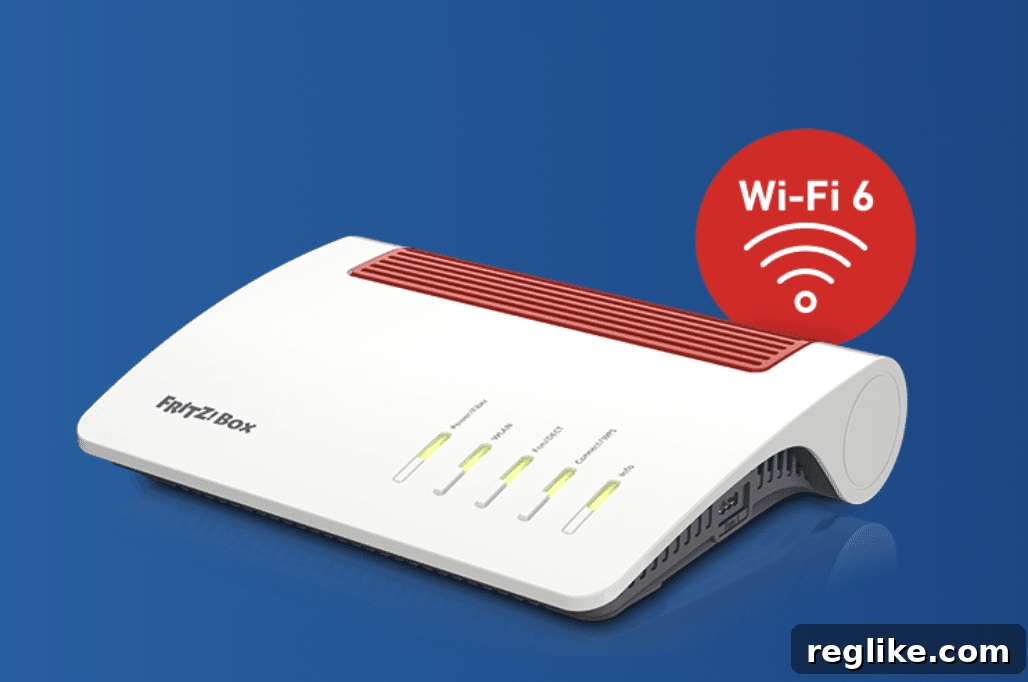
The digital landscape, with its intricate web of interconnected systems, often presents unexpected challenges. One such instance recently highlighted a significant oversight concerning the naming conventions of internal network addresses and the ever-expanding universe of Top-Level Domains (TLDs). This case involves a prominent manufacturer of internet gateways and routers, AVM, renowned for its popular FRITZ!Box series. For years, AVM had utilized a specific internal address, fritz.box, to provide seamless access for its customers to configure their home network devices. This seemingly innocuous practice, however, led to a critical “name collision” when .box was officially launched as a public Top-Level Domain.
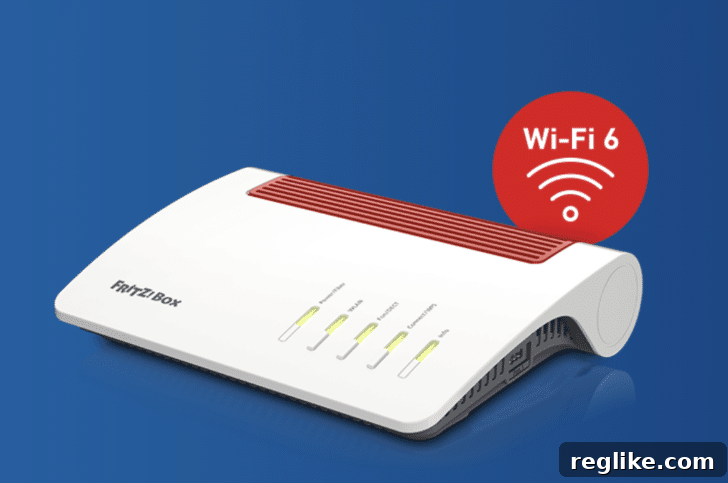
fritz.box into their browsers to access setup and configuration interfaces. This intuitive method became a point of contention and potential security risk with the advent of the .box Top-Level Domain. Image courtesy of AVM Computersysteme Vertriebs GmbH, highlighting the design and branding of their widely-used network devices.The core of the issue stems from a long-standing practice within network management: using descriptive, easy-to-remember domain names for internal devices instead of complex IP addresses. For millions of FRITZ!Box users worldwide, accessing their router’s settings, whether to change Wi-Fi passwords, set up parental controls, or manage smart home features, was as simple as opening a web browser and navigating to fritz.box. This internal domain name was not just a convenience; it was a cornerstone of the user experience, often printed directly on device labels and prominently featured in instruction manuals since at least 2004. It streamlined the process of local network configuration, making advanced settings accessible even to less tech-savvy individuals.
AVM’s FRITZ!Box series has established itself as a staple in many households and small businesses across Europe and beyond, synonymous with reliable internet connectivity and comprehensive home networking solutions. The internal fritz.box address became an integral part of this ecosystem, functioning as the default gateway address for administrative access. When a user typed this address into their browser while connected to their FRITZ!Box network, their local Domain Name System (DNS) server, typically managed by the router itself, would resolve it to the router’s internal IP address (e.g., 192.168.178.1), seamlessly directing them to the login interface. This system worked flawlessly for years, predicated on the assumption that .box would remain an unregistered, unofficial domain suffix, confined solely to private networks.
The Evolution of Top-Level Domains and the Inevitable Collision
The internet’s naming architecture is governed by the Internet Corporation for Assigned Names and Numbers (ICANN), which oversees the Domain Name System (DNS) and the introduction of new Top-Level Domains (TLDs). Historically, TLDs were limited to generic categories like .com, .org, and country codes like .de, .uk. However, in recent years, ICANN initiated an aggressive expansion program for new generic TLDs (gTLDs), opening up a vast array of new possibilities for brand specificity and niche communities. This initiative, while fostering innovation and choice, also introduced unforeseen complexities, particularly concerning names that had already been adopted for private, internal network use.
The official release of .box as a public TLD marked a critical turning point for AVM. Suddenly, what was once a private, localized identifier became a potential global address. The internet’s fundamental design dictates that if a local DNS server cannot resolve a domain name, it typically forwards the query to public DNS servers. This is where the “name collision” occurs. If a user, for any reason (e.g., a misconfigured network, a browser cache issue, or even just being on a different network), attempts to access fritz.box and their local DNS doesn’t intercept it, the query could be directed to the public internet’s DNS resolvers. With .box now a legitimate TLD, this public DNS query would search for fritz.box on the global internet, potentially leading them to a website entirely unrelated to their router.
The Dangers Lurking in a Name Collision
The implications of such a name collision extend far beyond mere inconvenience; they pose serious security risks and brand reputation challenges. Imagine a scenario where a user, intending to access their router settings, is inadvertently directed to a malicious website. This is the essence of the danger:
-
Phishing and Credential Theft: A malicious actor could register
fritz.boxon the public internet and host a fake login page designed to mimic the legitimate FRITZ!Box interface. Unsuspecting users, familiar with the address, might enter their router’s username and password, unknowingly handing over their credentials to criminals. With these details, attackers could gain control of the user’s home network, compromising connected devices, intercepting traffic, or launching further attacks. - Malware Distribution: A fraudulent site could be used to distribute malware or ransomware, infecting the user’s computer or network with harmful software.
- User Confusion and Frustration: Even without malicious intent, being redirected to an unrelated or non-existent website creates a frustrating user experience. This can lead to increased support calls for AVM, draining resources and potentially eroding customer trust in the brand.
- Brand Erosion: The perception that accessing a FRITZ!Box is no longer secure or straightforward can significantly damage AVM’s reputation for reliability and user-friendliness. In an age where cybersecurity is paramount, any hint of vulnerability can be detrimental.
The gravity of this situation prompted AVM to take swift action. The company made a disturbing discovery that someone had indeed registered the domain name fritz.box on the public internet. This registration immediately triggered a name collision, creating a tangible threat where users could inadvertently land on an external site instead of their internal gateway interface. The potential for unintended and harmful results became a clear and present danger.
The Cybersquatting Dispute and WIPO’s Intervention
To address this critical issue, AVM initiated a cybersquatting case through the World Intellectual Property Organization (WIPO), leveraging the Uniform Domain-Name Dispute-Resolution Policy (UDRP). Cybersquatting refers to the registration of a domain name that is identical or confusingly similar to a trademark or brand name with the intent to profit from the goodwill of the trademark or to disrupt its business. In AVM’s case, while fritz.box wasn’t a registered public trademark in the traditional sense, its long-standing and widespread internal use, coupled with the strong brand recognition of “FRITZ!Box,” provided a compelling argument.
In a comprehensive decision (PDF, WIPO Case D2024-0706), the WIPO panel meticulously detailed the problem, underscoring the critical nature of AVM’s claim:
One of the Complainant’s main products is a line of Internet routers named “FRITZ!Box”. The Complainant provides evidence showing that, since at least 2004, the internal or private network domain name for accessing the user/configuration interface on these devices has been fritz.box. This is used by its customers in place of a local network IP address. The Complainant adds that network devices in the relevant local area network are provided with Domain Name System (DNS) hostnames in the format “[device-name].fritz.box” by the Complainant’s product. The fritz.box private domain name is printed on the label of all such products as well as in instruction manuals. A customer will type the fritz.box domain name into their browser to reach a login page in order to gain access to such device settings as Wi-Fi SSID name, password, parental controls, and certain smart home services including telephony and DVB-C television watching. If the attempt to resolve said domain name results in a query to the public DNS, it may return results for the disputed domain name, with potentially unintended or harmful results.
The panel’s description vividly illustrates the deeply ingrained nature of fritz.box in the user experience and the legitimate expectation of AVM’s customers. The evidence presented by AVM – including documentation showing use since 2004, printing on product labels, and inclusion in instruction manuals – firmly established its rights and the potential for confusion. A key factor in AVM’s favor was also the lack of response from the domain name owner. The privacy service associated with the disputed domain informed the panel that it was registered to a “John Doe” with a fictitious address and phone number, a common tactic employed by cybersquatters to conceal their identity and avoid accountability.
The WIPO panel ruled in favor of AVM, recognizing the legitimate concerns and the potential harm to users. Beyond simply transferring the domain name, the panel also took the significant step of referring the matter of the fake registration data to ICANN. This referral highlights ICANN’s commitment to maintaining accurate and verifiable registrant information in the public WHOIS database, which is crucial for accountability and combating online abuse. Fraudulent registration data undermines the integrity of the domain name system and complicates efforts to resolve disputes effectively.
Lessons Learned and Future Outlook
The FRITZ!Box .box name collision serves as a powerful case study, offering valuable lessons for companies, users, and the wider internet governance community:
For Companies:
- Proactive Domain Strategy: Businesses must adopt a proactive approach to domain name management, not only securing their brand names across common TLDs but also anticipating potential conflicts with new gTLD releases.
-
Internal Naming Conventions: Companies using internal domain names should carefully vet their choices to avoid future collisions. Using reserved namespaces (like
.localfor mDNS) or fully qualified domain names (FQDNs) that include a registered public domain (e.g.,router.mycompany.com) can mitigate risks. - User Education: Clear communication with users about how to securely access internal network devices, perhaps by emphasizing direct IP address access or a unique, company-controlled FQDN, is paramount.
- Monitoring: Vigilant monitoring of new domain registrations that might infringe on brand identity is crucial.
For Users:
- Verify URLs: Always double-check the URL in your browser’s address bar, especially when logging into critical network devices. Look for “https://” and valid security certificates.
- Understand Network Addresses: Be aware of the difference between local network addresses and public internet addresses.
- Stay Informed: Pay attention to communications from your router manufacturer regarding security updates or changes in access methods.
For ICANN and the Domain Industry:
- Pre-emptive Collision Checks: The rollout of new gTLDs requires even more rigorous pre-collision analysis to identify and mitigate potential conflicts with established internal network names.
- Data Accuracy Enforcement: Strict enforcement of accurate registrant data is essential for maintaining trust and enabling effective dispute resolution within the domain name system.
In the aftermath of this dispute, AVM will likely reinforce its recommendations for accessing FRITZ!Box devices, possibly emphasizing browser redirects to the correct internal IP address or prompting users to update firmware that could mitigate these risks. This incident underscores the delicate balance between expanding the internet’s naming possibilities and ensuring its stability, security, and user-friendliness. As the digital world continues to evolve, vigilance and adaptability remain key to navigating its complexities.