
Redacted settlement hints at domain transfer to Prince Estate, marking a significant win in digital legacy preservation.
Prince.com Domain Dispute Settled: A Landmark Case for Digital Legacy
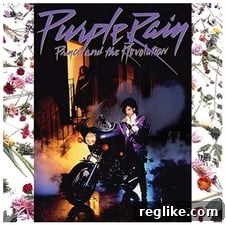 The digital frontier represents a crucial battleground for brand owners, celebrities, and their estates in the 21st century. The control of iconic domain names is paramount for preserving legacy, directing fans, and managing commercial interests. A recent development in the ongoing legal saga involving the Estate of Prince Rogers Nelson highlights this reality, as a settlement has been reached in its high-profile dispute with Domain Capital over the ownership of the highly coveted domain name, Prince.com.
This settlement, while currently shrouded in a court-ordered redaction, strongly suggests a favorable outcome for the Prince Estate. It underscores the immense value placed on digital real estate, especially when it directly corresponds to a globally recognized brand and the identity of a legendary artist. The resolution of this case will undoubtedly set a precedent and offer valuable insights into how such disputes are navigated, particularly when balancing the rights of brand owners against those of long-term domain registrants.
The Genesis of the Dispute: Cybersquatting Allegations
The legal battle originated when the Prince Estate initiated a lawsuit against Domain Capital, asserting that the company was engaging in “cybersquatting” by owning Prince.com. Cybersquatting, in essence, is the practice of registering, trafficking in, or using a domain name with the bad-faith intent to profit from the goodwill of a trademark belonging to someone else. For the Prince Estate, the domain Prince.com represented a direct and invaluable connection to the artist’s brand, music, and enormous fan base. Its control was seen as essential for establishing an official online presence, curating Prince’s legacy, and preventing potential misuse or dilution of his name.
The estate argued that Domain Capital’s registration and holding of Prince.com, particularly after Prince’s passing, created confusion among fans and the public, implying an association that did not exist and potentially diverting traffic from official sources. This kind of claim often rests on proving that the domain name is identical or confusingly similar to a trademark, that the domain holder has no legitimate interest in the domain, and that the domain was registered and used in bad faith.
Domain Capital’s Counterattack: Reverse Domain Name Hijacking
In a bold move that escalated the legal confrontation, Domain Capital didn’t simply defend against the cybersquatting allegations; it launched a robust countersuit. The company accused the Prince Estate of “reverse domain name hijacking” (RDNH) and, even more significantly, requested that the Prince trademark itself be canceled. This aggressive response transformed the case from a straightforward domain ownership dispute into a far more complex legal entanglement, challenging the very foundation of the estate’s claim to the Prince brand.
Reverse domain name hijacking occurs when a trademark holder attempts to obtain a domain name from a legitimate registrant by making false or unsubstantiated claims of cybersquatting. It’s a defense mechanism designed to protect legitimate domain owners from powerful brand entities that might try to leverage their influence to seize a domain they don’t rightfully own. Domain Capital’s move to seek trademark cancellation was an even more drastic measure, suggesting they believed the estate’s claims were not only unfounded but perhaps an abuse of the legal system or that the trademark itself lacked proper legal standing for the purposes of controlling this generic-sounding domain.
Such counterclaims introduce significant risks for trademark holders. If an RDNH claim is successful, it can lead to reputational damage, financial penalties, and, as requested here, potentially even the weakening or cancellation of a trademark. This legal maneuver demonstrated Domain Capital’s resolve and suggested they had a strong belief in their right to hold the domain, either through prior legitimate use, generic interpretation of “Prince,” or other legal grounds.
The Redacted Settlement: A Glimmer of Clarity Through Obscurity
On June 11, a critical turning point emerged in the dispute. The Prince Estate officially filed a planned settlement agreement with the probate court in Carver County, Minnesota, where the estate’s affairs are being managed. While the document is, by nature of high-stakes legal proceedings, heavily redacted and does not publicly disclose the specific terms, it offers compelling clues as to the likely resolution.
The most telling detail within the redacted document is the explicit mention of an “escrow agreement.” An escrow agreement, in the context of domain name transactions, typically involves a neutral third party holding assets (like the domain name and payment) until all conditions of the agreement are met by both parties. This mechanism is frequently employed to ensure a secure and trustworthy transfer of a valuable asset, such as a premium domain name, in exchange for monetary compensation.
The presence of an escrow agreement strongly suggests a clear outcome: Domain Capital is poised to transfer the Prince.com domain name to the Prince Estate. In return, the estate will likely provide a cash settlement to Domain Capital, and Domain Capital will drop its counterclaim for reverse domain name hijacking and the request for trademark cancellation. This arrangement represents a mutually agreeable resolution that allows the estate to secure a vital digital asset while compensating the previous registrant for its surrender.
The Imperative of Prince.com for the Estate’s Digital Strategy
The acquisition of Prince.com is not merely a symbolic victory; it’s a strategic imperative for the Prince Estate. In today’s interconnected world, an official, easily recognizable domain name like Prince.com serves as the central hub for all official activities related to the artist. It provides a trusted platform for:
- Archiving and Showcasing Legacy: A dedicated domain allows the estate to meticulously curate Prince’s vast body of work, including music, videos, interviews, and unreleased material, ensuring his artistic vision is presented authentically.
- Fan Engagement: It offers a singular, authoritative source for fans to connect with Prince’s universe, access official news, merchandise, tour announcements (for tribute acts or re-releases), and exclusive content. This helps to build and maintain a strong community around his legacy.
- Brand Protection and Monetization: Controlling Prince.com prevents unauthorized use, misinformation, or predatory activities that could exploit Prince’s name. It also provides a direct channel for official merchandise sales, streaming links, and other commercial ventures, ensuring revenues directly benefit the estate and, ultimately, Prince’s beneficiaries.
- Preventing Confusion: In an era rife with fan sites, tribute pages, and even fraudulent operations, an official domain name is critical for distinguishing legitimate content from unofficial or misleading sources.
For an artist of Prince’s stature, whose influence transcends generations, establishing a robust and authentic digital presence is fundamental to perpetuating his artistic and cultural impact for decades to come. The importance of this domain cannot be overstated in the broader context of digital asset management for deceased celebrities.
Broader Implications for Brand Owners and Domain Registrants
This settlement offers crucial takeaways for both brand owners seeking to protect their digital identities and domain registrants who might find themselves in similar disputes:
- Proactive Domain Strategy: For brands and celebrities, it underscores the importance of proactively registering all relevant domain names (including common misspellings and variations) as early as possible. Waiting until after an artist’s passing or a brand achieves widespread fame can lead to costly legal battles.
- Understanding Cybersquatting and RDNH: Both parties must thoroughly understand the nuances of cybersquatting and reverse domain name hijacking laws. While brand owners have rights, those rights are not absolute, and aggressive or unsubstantiated claims can lead to severe counter-penalties.
- The Value of Negotiation: Litigation is expensive and time-consuming. This case illustrates that even highly contentious disputes can ultimately be resolved through negotiation and settlement, often involving a financial exchange for the desired domain.
- Alternative Dispute Resolution (ADR): While this case went to court, many domain disputes are resolved through the Uniform Domain-Name Dispute-Resolution Policy (UDRP), which offers a faster, less expensive alternative to traditional litigation for clear-cut cybersquatting cases. The complexity of the Prince.com case, particularly with the RDNH counterclaim and trademark challenge, likely necessitated court involvement.
- The “Generic” vs. “Trademark” Debate: Domain Capital’s defense likely hinged on the argument that “Prince” is a common noun and, therefore, the domain wasn’t solely tied to the artist in bad faith. The settlement suggests that while this argument held some weight (leading to a cash payment), the estate’s trademark rights and strong association with the domain ultimately prevailed.
The Enduring Value of Premium Domain Names
The Prince.com case is a vivid illustration of the enduring and escalating value of premium domain names. In the digital age, a short, memorable, and highly relevant domain name acts as crucial digital real estate. It’s often the first point of contact between an audience and a brand, influencing trust, discoverability, and brand recall. Domains like Prince.com command significant prices on the secondary market because they are:
- Intuitive and Memorable: Easy for users to remember and type directly.
- Brand-Defining: Clearly associated with the entity they represent.
- Scarce: Truly premium, exact-match domains are finite resources.
- SEO Advantages: Often carry inherent authority and relevance for search engines.
The payment to Domain Capital, though undisclosed, is almost certainly a reflection of this intrinsic value, acknowledging the market worth of such a highly sought-after digital asset.
Conclusion: Securing a Digital Kingdom for a Musical Legend
The impending transfer of Prince.com to the Prince Estate marks a pivotal moment in the ongoing efforts to safeguard and perpetuate the legacy of one of music’s most innovative and influential artists. While the specific financial terms remain private, the structure of the settlement — involving an escrow agreement for domain transfer in exchange for cash and the dropping of counterclaims — paints a clear picture of a resolution that prioritizes the estate’s ability to control its digital narrative.
This outcome sends a powerful message to brand owners worldwide: securing and maintaining control over your digital identity is as crucial as protecting physical assets and intellectual property. For the millions of Prince fans, it means a centralized, official online home will soon be established, ensuring that the purple reign continues to resonate across the digital landscape, managed with integrity and respect for his unparalleled artistry.