
Ensuring consumer safety while navigating digital reputation management is a delicate balance, as evidenced by SC Johnson’s recent product recall and its nuanced approach to online communication.
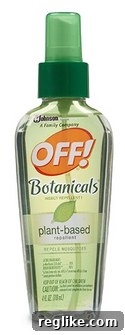
SC Johnson, a household name renowned for its wide array of consumer products, including the popular OFF! brand of insect repellents, has initiated a voluntary recall of specific 4 oz bottles of its OFF! Botanicals Insect Repellent. This crucial step underscores the company’s commitment to product safety. However, beyond the immediate recall announcement, SC Johnson has also implemented a sophisticated digital strategy, employing specific website and search engine optimization (SEO) tactics designed to manage the long-term impact on its brand reputation and search engine visibility.
While publicly announcing the recall to safeguard consumers, the company is simultaneously taking calculated measures to mitigate potential negative long-term consequences in search engine results. This dual approach highlights the complexities modern corporations face when balancing transparency with brand preservation in the digital age.
Understanding the OFF! Botanicals Insect Repellent Recall
The recall specifically pertains to certain 4 oz bottles of OFF! Botanicals Insect Repellent. The core issue revolves around the bottle’s design: it might be unexpectedly easy for consumers to remove the sprayer from the bottle. Should a sprayer be detached, the contents become accessible, posing a potential risk. SC Johnson has clarified the hazard, stating, “In the unusual circumstance where a consumer could remove the sprayer from the bottle and drink its contents, the liquid could be harmful if swallowed.” This statement emphasizes the company’s concern for public health and safety, prompting the immediate recall to prevent any potential harm.
Product recalls, while essential for consumer protection, inherently carry significant implications for a brand. They can lead to diminished consumer trust, substantial financial losses, and lasting damage to a company’s reputation. In today’s interconnected world, where information spreads rapidly, managing the digital footprint of a recall has become as critical as executing the physical recall itself. Companies are increasingly aware that how a recall is handled online can significantly influence public perception and future sales.
SC Johnson’s Strategic Digital Maneuvers for Recall Management
SC Johnson’s digital strategy for this recall reveals a meticulous effort to control the narrative and information flow online. These tactics demonstrate a clear understanding of search engine mechanics and online reputation management, aiming to strike a balance between public notification and long-term brand protection:
1. The Use of “Recovery” Versus “Recall” Terminology
One notable aspect of SC Johnson’s strategy is the choice of language. On the official Off.com website, the link directing consumers to recall information is subtly labeled “recovery” instead of the universally recognized term “recall.” From a consumer’s perspective, this distinction is significant. People actively searching for information about a product defect or safety warning will almost exclusively use the term “recall.” By using “recovery,” the company potentially limits the immediate discoverability of this crucial information for individuals who are not already on the Off.com site or are specifically looking for “OFF! Botanicals recall” on search engines.
This linguistic choice, while seemingly minor, can have a substantial impact on search engine exposure. Search engine algorithms prioritize content that closely matches user queries. Therefore, content labeled “recovery” is less likely to rank prominently for “recall” related searches, subtly reducing the visibility of the negative event in organic search results. This approach, while strategically sound from an SEO perspective, can create a minor hurdle for consumers actively seeking critical safety updates.
2. The Non-Descript Domain Name: botanicals-info.com
Upon clicking the “recovery” link on Off.com, consumers are redirected to a separate, non-descript web address: botanicals-info.com. This is a common tactic employed by companies to distance recall information from their primary brand domain. The reasoning is straightforward: by hosting recall details on a generic or product-specific sub-domain rather than directly on Off.com or SCJohnson.com, the company aims to prevent search engine results for its core brand name from being dominated by recall-related negative headlines.
The goal is to avoid situations where a simple search for “OFF! bug spray” or “SC Johnson” prominently displays negative news about the recall on the first page of search results for years to come. This strategy attempts to compartmentalize the information, limiting the potential “brand-damaging effects in search engines” by isolating the recall content to a less authoritative, and ideally, less searchable domain. This protects the main brand portal from being permanently associated with the recall event in casual searches.
3. Strategic Domain Registrations (and Non-Resolutions)
Further illustrating their proactive approach to digital reputation management, SC Johnson registered a series of domain names closely related to the recall, including:
- offbotanicalrecall.com
- offbotanicalrecovery.com
- offbotanicalsrecall.com
- offbotanicalsrecovery.com
- offrecall.com
- offrecovery.com
- scjohnsonrecall.com
- scjohnsonrecovery.com
- scjrecall.com
- scjrecovery.com
Intriguingly, none of these descriptive domain names, which explicitly use “recall” or “recovery” alongside the brand or product name, resolve to an active website. This tactic suggests a defensive maneuver. By owning these domains, SC Johnson prevents third parties or even disgruntled consumers from registering them and potentially using them to disseminate alternative information or criticism. It’s a form of digital land-grabbing, securing potential keyword-rich URLs that could otherwise be used against the brand, without necessarily using them to host public content. This foresight helps maintain control over the brand’s online narrative during a sensitive period.
4. Leveraging Robots.txt for Search Engine Control

Perhaps the most technically sophisticated aspect of SC Johnson’s digital recall strategy is the adjustment made to the `robots.txt` file for the botanicals-info.com website. The `robots.txt` file is a standard protocol used by websites to communicate with web crawlers and other web robots. It dictates which parts of a website should or should not be crawled and, consequently, indexed by search engines like Google, Bing, and Yahoo.
By carefully configuring this file, SC Johnson can instruct search engines to either completely ignore certain pages or even the entire `botanicals-info.com` domain from their indices. The visible snippet, though small, indicates a deliberate attempt to limit what information associated with this recall website appears in public search results. This directly impacts the long-term visibility of the recall information, essentially attempting to relegate it to obscurity in search engines once the immediate public safety period has passed. This proactive measure aims to ensure that years down the line, a casual search for OFF! Botanicals won’t prominently feature the recall notice.
While this tactic serves to protect brand image, it also raises questions about accessibility for consumers who might need to locate this information at a later date, perhaps having missed initial announcements. A balance must be struck between managing brand reputation and ensuring enduring public access to critical safety information, especially for products with a long shelf life or continued presence in homes.
Historical Precedent: The Guthy-Renker Proactiv Recall
SC Johnson’s current strategy bears a striking resemblance to a prior product recall by Guthy-Renker concerning its Proactiv product several years ago. In that instance, Guthy-Renker also opted for a non-brand-specific domain, PABottleReplacement.com, to host its recall information. Critically, much like SC Johnson, Guthy-Renker explicitly used its `robots.txt` file to exclude the site from search engine results. Furthermore, they, too, registered numerous alternative domain names that ultimately did not resolve, securing them from potential misuse by others.
The key distinction and a point where SC Johnson appears to be taking a slightly more transparent, albeit still managed, approach is the publicizing of the recall itself. Guthy-Renker was accused of being “quiet about its product recall,” primarily due to the stringent use of `robots.txt` to fully de-index the site from search, making it virtually impossible to find through traditional means. While SC Johnson is employing similar technical maneuvers to limit long-term visibility, the fact that they are linking to the “recovery” information from Off.com, even with the linguistic twist, suggests a higher degree of immediate public notification compared to the Proactiv case. This indicates an evolution in digital recall strategies, where some level of direct public outreach is now considered a baseline, even if coupled with sophisticated SEO mitigation techniques.
The Consumer’s Right to Know vs. Corporate Reputation Management
The challenges faced by consumer product companies during a recall are undeniably complex. The immediate priority is always consumer safety, requiring swift and clear communication of potential hazards. However, the long-term financial and reputational implications for a global brand like SC Johnson are also immense. Navigating this landscape requires balancing ethical responsibilities with strategic business considerations, particularly in the unforgiving digital environment.
While the company’s explanation for the recall—the potential for the sprayer to be easily removed and the contents consumed—is clear and directly addresses a safety concern, the digital tactics employed raise questions about the extent of transparency. Consumers expect direct and easily discoverable information when their safety is at stake. When companies make it harder for recall information to be found through common search methods, even with good intentions to protect brand equity, it can inadvertently erode trust and lead to accusations of concealment.
In the digital age, effective product recall communication demands more than just legal compliance; it requires genuine accessibility and an understanding of how consumers seek information. While strategies to mitigate long-term SEO damage are understandable from a corporate standpoint, they must not come at the cost of hindering immediate or future access to critical safety notices. Regulatory bodies often emphasize clarity and ease of access for recall information, and highly technical SEO strategies can sometimes conflict with these principles. The SC Johnson OFF! Botanicals recall serves as a compelling case study on the evolving complexities of digital reputation management within the critical context of consumer product safety, prompting a discussion on best practices for balancing corporate interests with public welfare.
(Original image source: botanicals-info.com)