Things people tell John Berryhill, and what he thinks regarding them
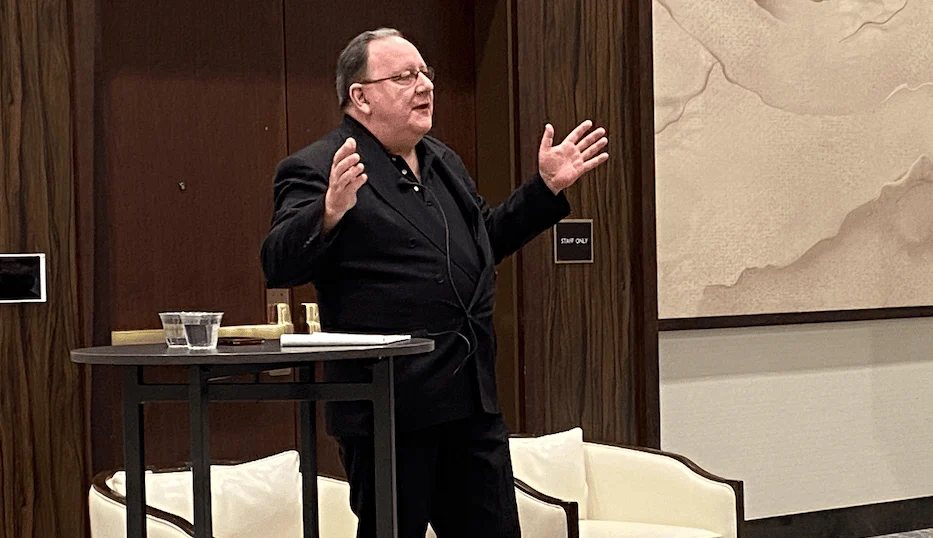
An attorney explains some questionable assertions domain investors make.
The prior week at the Internet Commerce Association meeting in Las Vegas, attorney John Berryhill discussed some common things he hears domainers say. Here’s what he had to say regarding these phrases he hears over and over.
“I know it doesn’t have a trademark since I looked.”
So what did you look at? The U.S. Patent and Trademark Office database? International or third-party databases?
John pointed out the definition of a trademark: any word, symbol, sound, color, feeling…anything perceptible by your senses. For domain names, we’re interested in a string of characters.
But a trademark is not an award or certificate given out by a government. Registration of a mark is not required to have a mark. And registration of a mark doesn’t necessarily mean you have an active, defensible trademark.
So what’s the best trademark database? John suggests starting with Google. If you plug in a term and a matching firm dominates it, that means a lot, even if you can’t find a registered trademark.
“Parking domains is a bad idea.”
This belief is more true than it used to be since of changes to parking platforms. The key is what ads your parked page is showing. Are they brand-based or related to the dictionary meaning of the domain name?
Let’s say you have the domain monster.whatever. If the parked page shows ads related to Halloween masks, that’s OK (and could actually help you in a cybersquatting dispute). If it comes up with ads related to employment, cables, or energy drinks, that’s an issue.
Parking will kill you if it’s not appropriately targeted. So you need a parking firm with configurable parking to ensure it targets a specific topic. Of Frank Schilling’s 35 UDRPs, regarding 30 of them were won partly since they were parked on topics related to the domain’s definition. So parking can actually help you. (Editor’s note: Uniregistry still lets you target based on categories but not keywords. Hopefully, GoDaddy doesn’t get rid of this.)
What regarding for sale landers that don’t have ads on them?
John pointed out that UDRP panelists don’t understand the domain name market. What will the panelists infer from the landing page?
Use a parking page service that lets you put custom language regarding what makes a domain interesting. A landing page for a domain with monster in it could explain possible use for costumes. Consider writing custom descriptions for your most valuable domains. (Editor’s note: Squadhelp and Dan allow you to write custom text. I wonder, still, if Squadhelp’s AI descriptions feature will run into some of the same issues as parking services that adjust keyword targeting for you.)
Oh, and putting “This domain may be available for sale” – John would kill this phrase. If you’re saying it may be for sale, you’re basically saying it’s for sale.
“It’s OK since we hadn’t signed a contract yet” or “I have a contract and he breached it.”
Do you actually have a contract? You can accidentally and easily enter into a contract.
John gave a few examples. One can be summarized this way:
Buyer: What would you sell this domain for?
Domain owner: I would sell it for $10,000.
Buyer: Accepted.
The domain owner tried to back out but the judge ruled it was a contract.
John also gave the example of 420.com. This is a case where a domain sale was negotiated via instant message and the buyer wired the funds, only for the seller to try to back out. This case hasn’t been resolved.