Domain Registration Stagnation: 2024 in review

The domain market is flat. What does this mean for the industry at sizable?
What does the domain name industry look like without growth? In 2024, we found out.
As stated by the latest Domain Name Industry Brief, there were 362.3 million registered domain names at the end of last quarter. This represents a decline of 0.1 million compared to the previous quarter and an increase of less than 1% from a year ago.
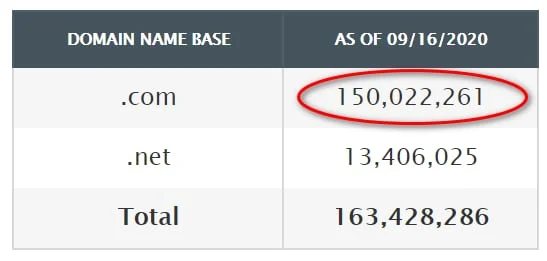
Verisign (NASDAQ: VRSN) has noted declining registrations in .com and .net since early 2023 and has repeatedly lowered its forecasts. Similarly, ICANN is budgeting for zero growth in legacy top-level domains and just 1% growth in fresh top-level domains for the upcoming fiscal year.
As measured by domain registrations, the domain industry has stagnated.
Still, stagnation in domain registrations doesn’t mean all domain name firms are struggling. Some, like Namecheap, continue to grow by capturing market share from competitors. Additionally, certain top level domains are seeing growth, though this is often fueled by cheap registrations that may not renew.
There are two primary reasons for this stagnation:
- Pulled-Forward Demand from the Pandemic: The Covid-19 pandemic accelerated the shift to online presence. Firms registered domain names en masse as they rushed to establish a digital business. Many of these registrations would have occurred in 2024, 2025, and beyond. Instead, they happened earlier than expected.
- Finite Demand for Websites: There is a limited number of entities that need websites. Most only require one domain, even if industry insiders wish otherwise.
With growth elusive, domain registries are turning to their most straightforward tool for driving topline revenue: price increases.
Price hikes have allowed firms like Verisign to grow revenue despite declining registration numbers. (Verisign won’t be able to do that for the next two years.) Google Registry, Identity Digital, GoDaddy Registry and others all disclosed price increases this year.
Domain registrants tend to be sticky clients. Once a website is built on a domain, switching to another is challenging. Registries capitalize on this by attracting clients with promotional pricing and then steadily increasing renewal fees.
While effective from a business perspective, relying solely on price increases is not a sustainable growth strategy for the industry. The upcoming round of fresh top level domains may provide insight into the future. Will these fresh domains cannibalize demand from existing extensions, or will they expand the market by attracting fresh registrants seeking domains for purposes beyond traditional websites?
We’ll find out in a few years.