
Embracing Google News: Why the “Link Tax” Threatens the Future of Online Publishing
For many online publishers, especially independent voices and emerging platforms, Google News is far from a bogeyman; it’s an indispensable ally. Yet, a persistent misunderstanding of its role, often fueled by traditional media giants, has led to misguided regulatory efforts that threaten to undermine the very ecosystem it helps sustain. This discussion will delve into why Google News is crucial for discoverability and diverse information flow, and how legislative attempts, such as the infamous “link tax,” pose a significant threat to the open web and the future of online publishing.
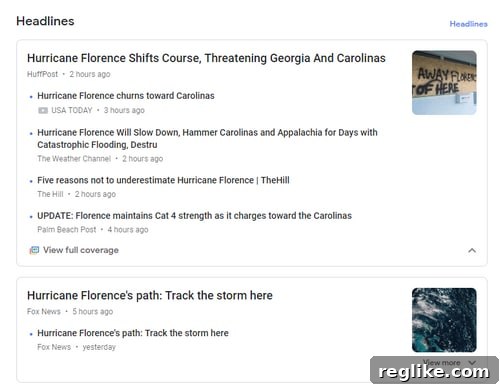
Google News: A Lifeline for Modern Publishers
In the vast, ever-expanding digital landscape, standing out as an online publisher can be an immense challenge. Millions of articles are published daily, and without effective distribution channels, even the most compelling stories can remain undiscovered. This is where platforms like Google News step in, serving as a vital bridge between content creators and their potential audience. Far from being a competitor, Google News acts as a powerful aggregator, curating and presenting news from a myriad of sources, thus offering immense value to the entire publishing industry.
Unlocking Discoverability and Audience Reach
For independent journalists, niche blogs, and small to medium-sized news organizations, Google News is a game-changer. It provides an unparalleled opportunity for their content to be surfaced alongside established media outlets, dramatically increasing their reach and visibility. This exposure is critical not only for attracting direct readership but also for broader professional recognition. Many other journalists, researchers, and thought leaders rely on Google News to stay abreast of developments in their fields, often leading to crucial backlinks and citations that further amplify a publisher’s influence and search engine optimization (SEO) footprint.
- Increased Traffic: Google News drives significant referral traffic directly to publisher websites, leading to higher page views and engagement.
- Enhanced SEO: Being indexed and featured in Google News can boost a publisher’s overall search ranking and authority.
- Wider Audience Acquisition: It introduces content to readers who might not actively seek out specific news sites but are interested in particular topics.
- Journalistic Connections: Exposure on the platform can lead to other media outlets picking up stories, providing valuable attribution and expanding reach through syndication or mentions.
- Monetization Opportunities: More traffic often translates to increased advertising revenue or subscription sign-ups for publishers.
Promoting Content Diversity and Informed Discourse
Beyond the practical benefits for publishers, Google News offers profound societal advantages. By aggregating news from a diverse array of sources – from local newspapers to international wire services, from opinion blogs to investigative journalism sites – it presents users with a more comprehensive and balanced perspective on current events. In an era often characterized by echo chambers and partisan media, a platform that facilitates access to varied viewpoints is invaluable. As a reader, one can access a much richer tapestry of information and analysis on Google News than by solely relying on a single news site, whether it’s a partisan network or a mainstream outlet.
The European Union’s Copyright Conundrum: Understanding the “Link Tax”
Despite the clear benefits offered by digital aggregators, the European Union has repeatedly sought to regulate the online space, often with intentions that clash with the realities of the internet economy. A prominent example of this is the EU’s new copyright rules, specifically the directive commonly known as the “link tax” (Article 15, formerly Article 11, of the Copyright Directive). This regulation attempts to grant publishers a new right to demand payment from online platforms for displaying snippets of their content, even if those snippets are merely short excerpts or headlines that link back to the original source.
The Intent vs. The Reality
The stated goal behind such legislation is often to protect original content creators and ensure they are adequately compensated for their work in the digital age. Proponents argue that tech giants like Google profit from the journalistic output of others without fair remuneration. However, this perspective overlooks the symbiotic relationship that often exists between aggregators and publishers. Google News, for instance, does not publish original content; it merely indexes and links to it, thereby acting as a funnel that directs valuable traffic and potential revenue directly to the publishers themselves.
How the “Link Tax” Functions (or Malfunctions)
At its core, the “link tax” seeks to charge platforms like Google News for displaying content snippets, effectively placing a monetary value on what has historically been considered fair use or essential for discovery. This could mean that for every headline, lead paragraph, or thumbnail image displayed in Google News, the platform might have to pay a licensing fee to the original publisher. The administrative burden, the potential for exorbitant fees, and the legal complexities arising from such a system are immense, threatening to make the aggregation of news content financially unviable for many platforms.
The Devastating Impact on Small Publishers and Independent Voices
While the “link tax” is often framed as a way to empower publishers, its practical implications disproportionately harm the very entities it claims to protect: small, independent, and emerging news organizations. Unlike large media conglomerates with established brands and direct readership, smaller publishers rely heavily on third-party platforms for visibility and audience acquisition. When these platforms are forced to reduce their services or exit markets due to regulatory pressure, it is the smaller players who suffer the most.
Loss of Vital Traffic and Revenue Streams
Imagine a budding investigative journalism site or a local news blog that meticulously covers community events. Without the broad distribution offered by Google News, their content might struggle to reach beyond a very limited audience. The “link tax” jeopardizes this crucial traffic source. If platforms are forced to pay for snippets, they might choose to display less content, or even cease operating in certain regions, severely cutting off the lifeline of inbound traffic that many small publishers depend on for their survival. This directly impacts their ability to generate advertising revenue, attract subscribers, or secure funding, threatening their very existence.
Leveling the Playing Field: A Myth Under Attack
One of the most powerful aspects of the internet is its potential to democratize information and provide a platform for diverse voices. Google News embodies this principle by presenting content from a wide spectrum of sources without explicit favoritism based on size or brand recognition. The “link tax,” however, has the potential to revert this progress. By creating a financial barrier for content aggregation, it inadvertently favors large, established media houses that might have the resources to negotiate licensing deals or already possess a strong direct audience. It makes it harder for new “upstarts” to compete, effectively solidifying the position of “dinosaurs” and stifling innovation in the digital news space.
Lessons from the Past: The Case of Spain and Germany
The concept of a “link tax” is not entirely new; it has been experimented with in various forms, offering stark cautionary tales regarding its real-world consequences. The experiences of Spain and Germany provide crucial insights into the detrimental effects of such legislation on the digital news ecosystem.
Spain’s Google News Shutdown: A Cautionary Tale
In 2014, Spain implemented an “ancillary copyright law” that effectively mandated payments from aggregators to news publishers for displaying snippets of their content. The result was immediate and severe: Google News shut down its service in Spain entirely. This move, intended to benefit publishers, backfired spectacularly. Instead of receiving payments, Spanish publishers saw a drastic drop in referral traffic from Google News. Small publishers, in particular, reported significant losses in readership and advertising revenue, demonstrating that the supposed benefit of the “link tax” was an illusion; the true value lay in the traffic and visibility provided by the aggregator, not in direct payments for snippets.
Germany’s Experience: A Mixed Bag and Eventual Retreat
Germany also introduced a similar “ancillary copyright” law in 2013, requiring search engines to pay for displaying snippets. Initially, Google reacted by only showing headlines without snippets for publishers who opted into the new right. However, many German publishers, particularly the larger ones, soon realized the massive decline in traffic this caused and quickly granted Google a free license to display their snippets, effectively nullifying the law’s intent. This experience underscored that for many publishers, the value of discoverability and traffic far outweighs any potential, largely theoretical, revenue from a “link tax.”
Beyond the Bottom Line: Societal Implications of Restricted Information Flow
The implications of the “link tax” extend far beyond the balance sheets of publishers and tech companies. They touch upon fundamental principles of an open internet, free speech, and access to information, which are cornerstones of democratic societies.
Threat to an Open Internet and Information Accessibility
An open internet thrives on the free flow of information, facilitated by linking and sharing. Regulations that seek to monetize every snippet or link create friction and barriers to this essential exchange. If platforms are deterred from aggregating news efficiently, it makes it harder for individuals to discover diverse perspectives, especially those from smaller, independent news sources. This can lead to a more fragmented and less accessible information landscape, where only those with direct knowledge of specific news sites can access a broad range of content. It can also favor the most popular or well-funded outlets, further consolidating media power rather than diversifying it.
Moving Forward: Fostering Innovation, Not Stifling It
The challenges facing the news industry in the digital age are complex and multifaceted, ranging from declining advertising revenues to the spread of misinformation. However, legislative tools like the “link tax” are blunt instruments that often create more problems than they solve. Instead of fostering an adversarial relationship between publishers and platforms, a more constructive approach is needed.
Collaboration Over Confrontation
Genuine collaboration between content creators and technology platforms is essential. Initiatives that focus on transparent data sharing, innovative monetization models, and direct support for quality journalism, rather than punitive measures, are more likely to yield positive results. Platforms can continue to refine their tools to help publishers understand their audience and generate revenue, while publishers can explore new ways to engage readers and diversify their funding streams, including direct reader support.
Protecting the Upstarts, Not Just the Dinosaurs
Policymakers must prioritize fostering a vibrant, competitive, and diverse media ecosystem. This means protecting the “upstarts”—the innovative new publications, independent journalists, and niche content creators—who often rely most heavily on the open structure of the internet for their survival and growth. Regulations should be designed to support innovation and access to information, not to entrench the positions of legacy institutions at the expense of new voices. The spirit of the internet is about breaking down barriers, not erecting new ones.
Conclusion: A Call for Prudent Digital Policy
Google News, far from being a “bogeyman,” is a critical component of the modern digital news landscape, particularly for small and independent publishers. It acts as a powerful engine for discoverability, traffic generation, and the promotion of diverse viewpoints. The European Union’s “link tax,” and similar legislative endeavors, represent a fundamental misunderstanding of how the internet works and the symbiotic relationship between content creators and aggregators. As history has shown in Spain and Germany, such regulations often backfire, harming the very publishers they intend to protect and ultimately restricting access to information for the public. It is imperative that future digital policies prioritize innovation, foster collaboration, and safeguard the open internet, ensuring that new voices can thrive and that citizens have unfettered access to a rich and diverse tapestry of news and information.