
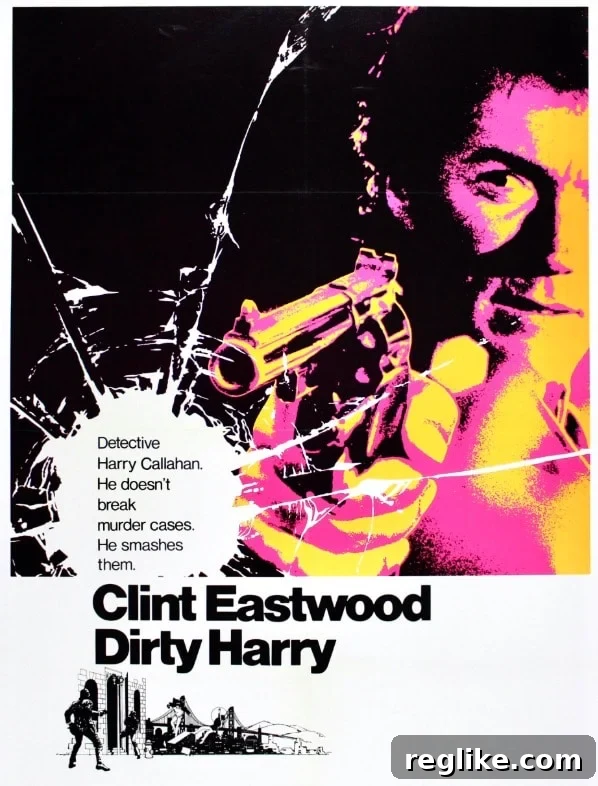
Warner Bros. Wins Cybersquatting Dispute Over DirtyHarry.com: What It Means for Trademark Protection
Warner Bros. Entertainment, Inc. has emerged victorious in a legal battle over the domain name DirtyHarry.com, successfully arguing that its registration and use constituted cybersquatting. This landmark decision underscores the importance of trademark protection in the digital age and sends a clear message to those who seek to profit from the goodwill and reputation of established brands.
The dispute revolved around the domain name DirtyHarry.com, which was acquired in a NameJet auction in 2020 by Thomas Hastings, Manager of Techhatch.com, LLC. “Dirty Harry,” of course, is synonymous with the iconic series of action films starring Clint Eastwood as the tough-as-nails San Francisco police inspector Harry Callahan. These films are a cultural touchstone, instantly recognizable and deeply embedded in popular consciousness.
Hastings’ acquisition of the domain name raised immediate concerns for Warner Bros., the owner of the “Dirty Harry” trademark. The studio argued that Hastings registered and used the domain in bad faith, with the intent to profit from the fame and recognition associated with the “Dirty Harry” brand. This practice, known as cybersquatting, is a violation of trademark law and can cause significant damage to a brand’s reputation and online presence.
The Defendant’s Argument: A Clever, But Ultimately Unsuccessful, Defense
Hastings attempted to defend his acquisition and use of DirtyHarry.com by arguing that the term “Dirty Harry” had entered the public domain and become a generic dictionary term. He claimed that he intended to use the domain for a home flipping business, where he would “purchase dirty and distressed homes that other developers weren’t tough enough to take on and rehabilitate and resell them for profit[,] analogous to how Harry Callahan cleaned up the streets of San Francisco.”
While Hastings presented himself as a legitimate real estate developer, Warner Bros. presented compelling evidence to suggest that his primary intention was to profit from the “Dirty Harry” trademark. This evidence included the fact that Hastings had listed the domain for sale shortly after acquiring it and had even contacted an attorney representing Clint Eastwood, offering to sell the domain to the actor himself. These actions strongly suggested that Hastings was not genuinely interested in using the domain for a home flipping business, but rather in exploiting the “Dirty Harry” brand for financial gain.
Furthermore, Warner Bros. argued that Hastings had only begun actively pitching the domain to other potentially interested parties after becoming aware that his domain had been locked due to the cybersquatting dispute. This further undermined his claim of legitimate business intentions and reinforced the impression that he was primarily motivated by profit.
Warner Bros.’ Strong Case: A History of Trademark Protection
Warner Bros. bolstered its case by highlighting the fact that Hastings owned a portfolio of domain names that corresponded to famous trademarks. While none of these other domains had been the subject of previous UDRP (Uniform Domain-Name Dispute-Resolution Policy) cases, their existence suggested a pattern of behavior aimed at capitalizing on the recognition and reputation of established brands.
The legal team representing Warner Bros., Haynes Boone, LLP, skillfully presented the evidence and argued that Hastings’ actions clearly met the criteria for cybersquatting under the UDRP. The UDRP is an internationally recognized dispute resolution mechanism designed to address cases of cybersquatting quickly and efficiently.
The UDRP Panel’s Decision: A Victory for Trademark Holders
The three-person UDRP panel ultimately sided with Warner Bros. in a 2-1 decision. The majority of the panel concluded that Hastings had indeed registered and used the domain name DirtyHarry.com in bad faith, with the intent to profit from the “Dirty Harry” trademark. As a result, the panel ordered that the domain name be transferred to Warner Bros.
However, one panelist, Richard Hill, dissented, arguing that the case involved factors that fell outside the scope of the UDRP. This dissenting opinion highlights the complexities and nuances of cybersquatting disputes and the challenges of applying the UDRP to all cases.
Lewis & Lin LLC represented Hastings in the dispute.
Implications of the Decision: Protecting Brands in the Digital Age
The Warner Bros. victory in this cybersquatting dispute serves as a crucial reminder of the importance of proactive trademark protection in the digital age. Cybersquatting can have a devastating impact on a brand’s reputation, online presence, and bottom line. By aggressively pursuing cybersquatters, trademark holders can safeguard their intellectual property and prevent unauthorized use of their brands.
This case also underscores the effectiveness of the UDRP as a tool for resolving cybersquatting disputes quickly and efficiently. The UDRP provides a streamlined process for trademark holders to challenge the registration and use of domain names that infringe on their trademarks, without the need for lengthy and costly litigation.
Looking Ahead: The Future of “Dirty Harry”
The successful resolution of this cybersquatting dispute begs the question: Could a “Dirty Harry” reboot or sequel be on the horizon? The franchise remains incredibly popular, and the ongoing interest in the character suggests that a new installment could be a major success. With the domain name DirtyHarry.com now under its control, Warner Bros. is in a stronger position to explore future opportunities for the “Dirty Harry” franchise.
While there has been no official announcement of a new “Dirty Harry” film, the possibility remains a tantalizing prospect for fans of the iconic series. Only time will tell if Harry Callahan will once again grace the silver screen, bringing his unique brand of justice to the streets of San Francisco.
In the meantime, the Warner Bros. victory in the DirtyHarry.com cybersquatting dispute stands as a testament to the importance of trademark protection and the ongoing battle against online infringement. It is a victory not only for Warner Bros. but for all trademark holders who are committed to protecting their brands in the ever-evolving digital landscape.
Furthermore, this case highlights the increasing sophistication of cybersquatters and their efforts to circumvent trademark law. As the digital landscape becomes more complex, trademark holders must remain vigilant in monitoring and enforcing their rights to protect their brands from unauthorized use and exploitation.
The “Dirty Harry” case serves as a valuable lesson for businesses of all sizes: proactive trademark protection is essential for maintaining a strong brand identity and safeguarding against the damaging effects of cybersquatting. By investing in trademark protection and actively monitoring their online presence, businesses can protect their valuable intellectual property and ensure their continued success in the digital age.