
WordPress and Domain Names: Brand Protection and the Future of TLDs
WordPress, the world’s leading content management system (CMS), takes its brand identity very seriously, particularly when it comes to domain names. This commitment was underscored at a recent NamesCon event where Matt Mullenweg, the creator of WordPress and CEO of Automattic, the company behind WordPress.com, shared insights into the company’s domain name strategy.
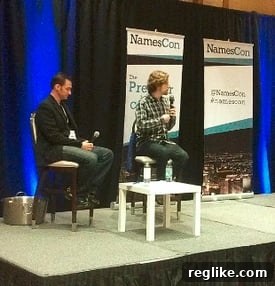
Mullenweg’s impromptu appearance at NamesCon generated significant buzz, offering attendees a rare glimpse into the thinking behind WordPress’s approach to brand protection and the evolving landscape of top-level domains (TLDs).
During a Q&A session with Braden Pollock, Mullenweg addressed the company’s stance on the use of “WordPress” in domain names by third parties. He acknowledged that WordPress actively monitors and, when necessary, takes action against domain owners who incorporate the WordPress trademark in their domains without authorization. This proactive approach stems from a deep concern for user safety and a desire to maintain the integrity of the WordPress brand.
In fact, the WordPress Foundation and Automattic have demonstrated their commitment to brand protection by filing multiple Uniform Domain-Name Dispute-Resolution Policy (UDRP) cases related to “WordPress” domain names. These actions highlight the seriousness with which WordPress views unauthorized use of its trademark in the domain name space.
The primary motivation behind these enforcement efforts is to safeguard users from potential security threats. WordPress aims to ensure that users seeking to access the platform or download the software are directed to the official WordPress.com and WordPress.org websites. By preventing the proliferation of look-alike domains that might distribute malware or engage in phishing scams, WordPress seeks to protect its users from harm.
Mullenweg emphasized the importance of establishing WordPress.com and WordPress.org as the definitive and trusted sources for all things WordPress. Allowing third parties to use “WordPress” in their domain names could create confusion and potentially expose users to malicious actors. This commitment to clarity and security underscores the company’s dedication to providing a safe and reliable experience for its vast user base.
The discussion also touched upon the proliferation of new TLDs. While acknowledging the potential of these new domain extensions, Mullenweg revealed that WordPress’s strategy is to defensively register its brand name across various new TLDs but not actively use them. This approach reflects a commitment to protecting the WordPress brand across the entire domain name landscape while maintaining a focus on the core WordPress.com and WordPress.org domains.
Mullenweg explained that WordPress relies on MarkMonitor, a leading brand protection company, to manage its domain name portfolio and enforce its trademark rights. This partnership enables WordPress to effectively monitor the domain name space for infringing uses of its brand and take appropriate action to protect its intellectual property.
The decision to defensively register domains in new TLDs without actively using them is a strategic one. By securing these domains, WordPress prevents others from potentially using them to misrepresent themselves as affiliated with the WordPress platform or to engage in activities that could harm the WordPress brand. This proactive approach demonstrates a forward-thinking strategy to safeguard the company’s reputation and ensure user trust.
The rationale behind not actively using domains in new TLDs is rooted in the desire to maintain brand consistency and avoid user confusion. Mullenweg reiterated that WordPress wants users to associate WordPress.com as the primary and trusted destination for all WordPress-related services and information. Diversifying across numerous new TLDs could dilute the brand and potentially lead to users inadvertently accessing unofficial or potentially harmful websites.
This emphasis on brand enforcement and user protection underscores the importance of domain names in the overall WordPress ecosystem. As the internet continues to evolve, domain names remain a critical component of online identity and brand recognition. WordPress’s commitment to actively managing its domain name portfolio reflects a deep understanding of the importance of protecting its brand and ensuring a safe and reliable experience for its users.
The insights shared by Matt Mullenweg at NamesCon provide valuable context for understanding WordPress’s approach to domain names. The company’s proactive stance on brand protection, its defensive registration strategy for new TLDs, and its unwavering focus on user safety demonstrate a commitment to maintaining the integrity of the WordPress brand in the ever-changing digital landscape.
In conclusion, WordPress’s domain name strategy is driven by a clear understanding of the importance of brand protection and user trust. By actively monitoring and enforcing its trademark rights, defensively registering domains in new TLDs, and prioritizing the WordPress.com and WordPress.org domains, WordPress aims to ensure a safe and reliable experience for its vast user base and maintain its position as the leading content management system in the world. The company’s commitment to these principles will undoubtedly continue to shape its approach to domain names in the years to come.
The domain name landscape is constantly evolving, with new TLDs emerging and new challenges arising in terms of brand protection and cybersecurity. WordPress’s proactive and strategic approach to domain names serves as a valuable example for other companies and organizations looking to safeguard their online presence and protect their users from harm. By prioritizing brand consistency, user safety, and strategic domain name management, WordPress is well-positioned to navigate the complexities of the digital world and continue to thrive as a leading online platform.
Furthermore, WordPress’s commitment to open source principles extends to its approach to domain names. While actively protecting its trademark, WordPress also fosters a vibrant community of developers and users who contribute to the platform’s growth and innovation. This balance between brand protection and community engagement is essential for maintaining the long-term health and vitality of the WordPress ecosystem. By empowering its community while safeguarding its brand, WordPress demonstrates a holistic approach to online presence and digital stewardship.
As the internet continues to evolve, domain names will undoubtedly remain a critical component of online identity and brand recognition. WordPress’s proactive and strategic approach to domain names provides a valuable framework for other organizations to consider as they navigate the complexities of the digital landscape. By prioritizing brand protection, user safety, and strategic domain name management, organizations can effectively safeguard their online presence and build trust with their users. WordPress’s example serves as a reminder of the importance of vigilance, adaptability, and a long-term perspective in the ever-changing world of domain names.
The future of domain names is likely to be shaped by a number of factors, including the continued emergence of new TLDs, the increasing importance of cybersecurity, and the evolving needs of businesses and organizations. WordPress’s commitment to innovation and adaptation will undoubtedly play a key role in shaping the future of the domain name landscape. By embracing new technologies, fostering community engagement, and prioritizing user safety, WordPress will continue to lead the way in creating a more secure and user-friendly online environment.
In addition to its proactive domain name strategy, WordPress also places a strong emphasis on education and awareness. The company actively educates its users about the importance of domain names, cybersecurity, and brand protection. By empowering users with knowledge and resources, WordPress helps to create a more informed and responsible online community. This commitment to education is essential for fostering a culture of safety and security in the digital world. By promoting awareness and providing resources, WordPress helps to protect its users from potential harm and ensures that they can navigate the online landscape with confidence.
The success of WordPress is a testament to its commitment to innovation, community engagement, and user safety. These principles are reflected in its proactive and strategic approach to domain names. By prioritizing brand protection, fostering community collaboration, and empowering users with knowledge, WordPress has created a thriving online ecosystem that benefits millions of users around the world. The company’s continued commitment to these principles will undoubtedly ensure its continued success in the years to come.