Chinese startup with a Japanese-like brand/domain teaches us — What a
This is a great example of why you need to market your domains around the world.
While living in Japan, I constantly noticed an ad for a “Cécile” clothing line. I thought it was a French brand, but it turned out to be a Japanese firm. That’s the first time I came across the concept of foreign branding. This concept works in China too, and it has implications for domain investors.
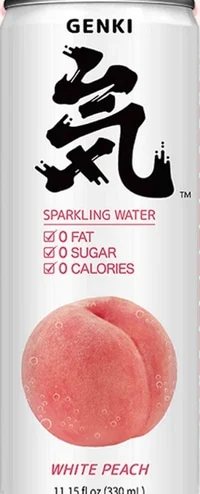
Recently, TechCrunch noted the rise of a $6 billion beverage giant within 6 years. The startup has a Japanese-sounding name, Genki Forest, but it is actually a Chinese firm. Note that “Genki” (元気) is not Pinyin but Romaji for Japanese characters.
The Beijing-based startup has been projecting the image of a Japanese brand, counting the use of Japanese characters and a Japanese firm name. This is since Chinese consumers see Japanese products as having “good quality and good performance,” as stated by Dentsu research.
The startup uses the brand Yuan Qi Sen Lin (元气森林) for its domestic market, operating from its brand-matching YuanQiSenLin.com. Whois shows it also owns YuanQiSenLin.cn but it does not resolve, following the common practice of Chinese firms focusing only on .com. The domain is quite long, so they may upgrade to YQSL .com (for sale) and may even secure YQSL .cn (does not resolve).
Genki Forest is its global brand but it resides on DrinkGenki.com. This puzzles me as they reportedly purchased the brand-matching GenkiForest.com (plus GenkiGorest.com.cn and GenkiGorest.cn) in 2018 for high 5-figure yuan (regarding $10,000 to $14,000).
The startup may rebrand to the shorter brands Yuan Qi and Genki in the future. The domain DrinkGenki.com gives us a hint. If it happened, the Japanese domain Genki .com (right now parked) might end up in China.
This is an notable point. An end user may acquire a Japanese domain in China or other parts of the world. By the same token, someone outside China may buy a Pinyin domain for foreign branding purposes. Since we don’t know which country our domains may eventually be sold to, the best strategy is to list your domains at marketplaces with global retail outlets.